
UK Healthcare Cost Calculator
Calculate Your UK Medical Costs
If you’re an American living in the UK or planning to move there, you might be wondering: Does Medicare cover me in the UK? The short answer is no. Medicare, the U.S. government health program for people 65 and older (and some younger people with disabilities), doesn’t pay for medical care outside the United States - not even in the UK, where healthcare is widely available and often praised.
Why Medicare Doesn’t Work in the UK
Medicare was designed to cover care within the U.S. and its territories. Even if you’ve paid into the system for decades, your benefits don’t follow you overseas. There are only a few rare exceptions - like emergency care on a cruise ship in U.S. waters or if you’re in Canada on the way to Alaska - but the UK isn’t one of them.
The U.S. Centers for Medicare & Medicaid Services (CMS) clearly states that Medicare generally won’t pay for services you get outside the U.S. That includes hospital stays, doctor visits, prescriptions, and even ambulance rides. If you get sick in London or need a scan in Manchester, Medicare won’t cover it.
How Healthcare Works in the UK
The UK has the National Health Service (NHS), which provides free-at-the-point-of-use healthcare to legal residents. That means if you’re officially living in the UK - whether you’re retired, working, or studying - you can register with a local GP and access most medical services without paying out of pocket.
But here’s the catch: you can’t just show up with a U.S. passport and start using the NHS. You need to be a resident. That usually means having a visa that allows long-term stay, being employed, or being retired with proof of sufficient income and private health insurance. The NHS doesn’t treat tourists or short-term visitors for free.
What Happens If You Get Sick in the UK Without Coverage?
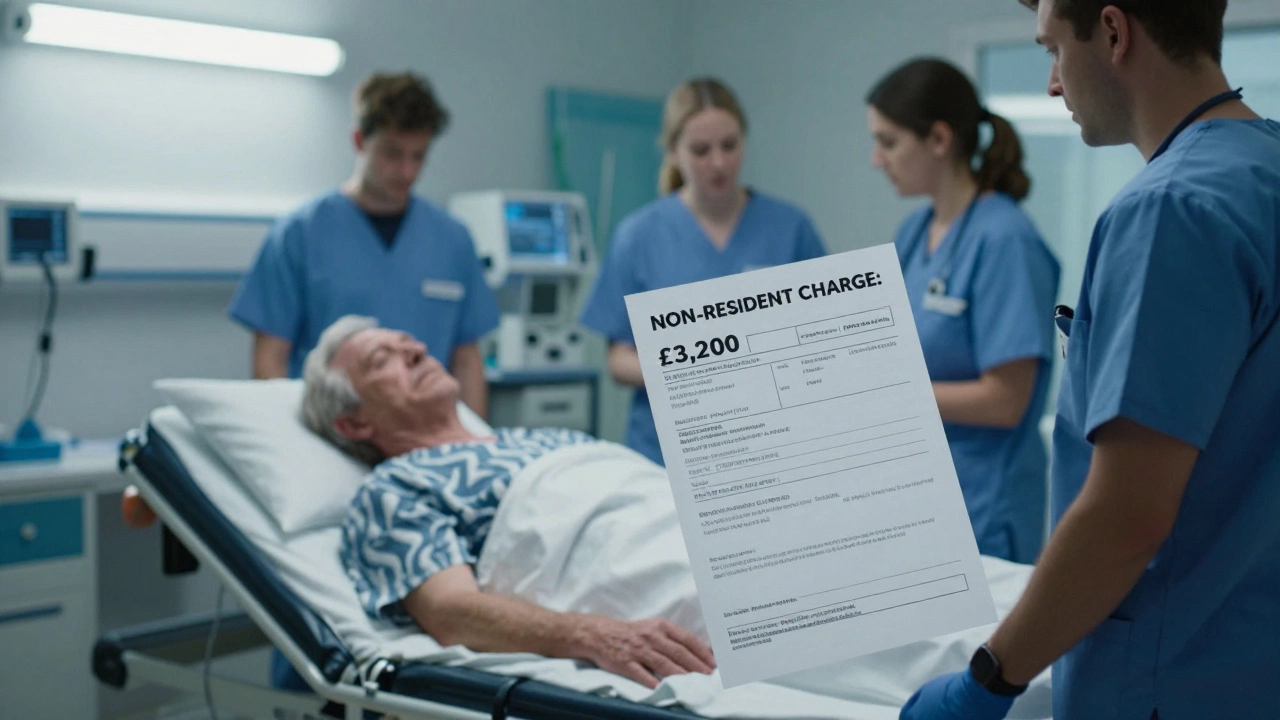
If you’re visiting the UK and don’t have private insurance, you’ll be charged for care. Non-residents are billed at 150% of the NHS rate for hospital treatment. A simple emergency room visit could cost $500 or more. A hospital stay for pneumonia? That could run $10,000 or higher. Prescription drugs aren’t free either - you’ll pay full price unless you qualify for an exemption.
Some Americans assume their U.S. private insurance covers them abroad. It usually doesn’t. Most U.S. plans - including Medicare Advantage and supplemental policies - have limited or no international coverage. Even travel insurance often excludes pre-existing conditions or long-term stays.
What Should Americans Do Instead?
If you’re moving to the UK permanently, your best move is to register with the NHS. You’ll need to prove residency - this might mean showing a visa, a work contract, or proof of retirement income. Once registered, you’ll get an NHS number and can book GP appointments like any local.
But even then, the NHS doesn’t cover everything. Dental care, eye exams, and prescription medications often come with fees. Many Americans in the UK choose to buy private health insurance to fill those gaps. Popular options include Bupa, AXA Health, and VitalityHealth. These plans can cover things the NHS doesn’t - like faster access to specialists, private rooms, or dental implants.
If you’re just visiting, buy travel insurance with medical coverage before you leave the U.S. Look for policies that include emergency medical evacuation and pre-existing condition coverage if you’re over 65. Don’t assume your U.S. card will work - it won’t.
Medicare and the UK: A Common Misunderstanding
A lot of Americans think that because the UK has universal healthcare, Medicare must work there. It’s a logical assumption - but it’s wrong. Medicare is a U.S. program funded by U.S. taxes. The UK’s NHS is funded by British taxes. There’s no reciprocal agreement between the two countries for health coverage.
Even if you’re a dual citizen or have a British passport, Medicare still won’t pay for care in the UK. Your U.S. benefits stay tied to U.S. providers.
Real-Life Scenarios
Take Maria, 72, from Florida. She moved to Edinburgh in 2024 to be closer to her daughter. She thought her Medicare would cover her doctor visits. When she broke her hip, she was billed £3,200 ($4,100) for surgery and hospital care. She had to pay out of pocket - until she applied for NHS registration three months later. Now she’s covered, but she had to cover the initial cost herself.
Or James, 68, who retired to Cornwall. He skipped private insurance because he assumed Medicare was enough. When he developed a heart condition, he waited six months for an NHS referral. He ended up paying £1,800 for a private consultation to get treatment faster.

What Medicare Does Cover - Even Overseas
There are two situations where Medicare might help you abroad:
- Emergency care in Canada or Mexico - only if you’re en route between two U.S. locations and the nearest hospital is across the border.
- Medical services on a U.S.-registered cruise ship - if you’re within six hours of a U.S. port.
That’s it. No exceptions for Europe. No exceptions for the UK. No exceptions for U.S. embassies or military bases.
Alternatives to Medicare in the UK
If you’re not eligible for the NHS - say, you’re on a short-term visa or you’re retired but haven’t met residency rules - you have two main options:
- Buy international health insurance - Companies like Cigna Global, Allianz Care, and GeoBlue offer plans designed for Americans living abroad. These plans often include telehealth, evacuation coverage, and direct billing.
- Pay out of pocket - The UK has private clinics that are affordable compared to the U.S. A private GP consultation might cost £70-£120. A specialist visit? £200-£400. It’s not free, but it’s far cheaper than U.S. prices.
Many Americans in the UK use a mix: NHS for basic care, private insurance for faster access, and cash payments for minor issues.
Bottom Line
Medicare does not cover you in the UK. Period. If you’re moving there, don’t rely on it. Instead, focus on registering with the NHS if you qualify - and consider private insurance to cover what the NHS doesn’t. If you’re just visiting, buy travel insurance before you go. The UK has great healthcare - but you need to be in the system to use it.
Can I use Medicare in the UK if I’m a dual citizen?
No. Your U.S. citizenship or dual nationality doesn’t change Medicare’s rules. The program only covers care within the United States and its territories. Even if you have a British passport, Medicare won’t pay for services in the UK.
Do I need private insurance if I’m eligible for the NHS?
Not required, but many people choose it. The NHS covers most essentials, but wait times for specialists can be long. Private insurance gives you faster access, choice of hospital, and coverage for things like dental care, optical services, and alternative treatments not fully covered by the NHS.
Can I keep my Medicare if I move to the UK permanently?
Yes, you can keep your Medicare enrollment - but it won’t do you any good in the UK. Your Part A (hospital) and Part B (medical) coverage remain active, but you can’t use them abroad. If you return to the U.S. later, your Medicare will still be there.
What if I need emergency care in the UK without insurance?
You will still receive emergency treatment - the UK requires hospitals to treat anyone in life-threatening situations. But you’ll be billed afterward. Non-residents are charged 150% of the NHS rate. Without insurance, you’re responsible for the full cost, which can run into thousands of dollars.
Is travel insurance enough for long-term stays in the UK?
No. Most travel insurance policies are designed for short trips - usually under 90 days. They often exclude pre-existing conditions and won’t cover ongoing care, chronic conditions, or routine check-ups. If you’re moving to the UK long-term, you need a proper international health insurance plan.