Professional Skincare Needs Analyzer
Assess Your Skin Profile
Select all statements that apply to your current skin situation. This tool helps evaluate if the higher cost of professional-grade formulations is justified for your specific needs.
Recommendation
Why this recommendation?
Walk into any beauty aisle, and you are bombarded with promises. "Clinical strength." "Dermatologist tested." "Medical grade." It feels like every brand is trying to sound like a prescription drug. But here is the hard truth: there is no legal definition for "medical grade" in most countries, including New Zealand and the US. It is largely a marketing term. So, does it actually work better than your favorite drugstore moisturizer? The answer isn't a simple yes or no-it depends entirely on what is inside the bottle.
If you have spent hundreds of dollars on high-end retail brands only to see zero change in your acne, hyperpigmentation, or fine lines, you might be wondering if upgrading to professional-grade products is the missing link. Or, you might be skeptical that you need anything more complex than soap and water. Let’s cut through the noise and look at the science, the ingredients, and the real-world results.
The Myth of "Medical Grade" Regulation
First, we need to clear up a massive misconception. When you see the label Medical Grade Skincare, it sounds official. You imagine FDA approval, strict clinical trials, and hospital-level safety standards. In reality, the term is unregulated. Any company can slap "medical grade" on their packaging without proving it meets specific medical criteria.
This creates a confusing landscape. A product sold exclusively in a dermatologist’s office (often called professional skincare or clinical skincare) is not necessarily "medical" in the legal sense. However, these products often differ from mass-market cosmetics in two key ways: ingredient concentration and formulation stability. While a drugstore vitamin C serum might contain 5% L-ascorbic acid stabilized with cheap preservatives, a professional line might offer 15% to 20% pure L-ascorbic acid in an airtight, opaque container to prevent oxidation. That difference in potency and delivery system is where the real value lies, not the fancy label.
Ingredient Concentration: The Core Difference
The primary reason people switch to professional skincare is efficacy. Mass-market brands often use lower concentrations of active ingredients to ensure the product is gentle enough for anyone, anywhere. Professional brands target specific concerns with higher doses of actives. Think of it like the difference between a multivitamin and a targeted supplement. One maintains general health; the other treats a deficiency.
Let’s look at three common active ingredients and how they differ between retail and professional tiers:
- Vitamin C (L-Ascorbic Acid): To effectively brighten skin and boost collagen, studies suggest you need at least 10% concentration. Many retail serums hover around 5-8% to avoid irritation or cost issues. Professional brands frequently offer 15-20% formulations, which penetrate deeper but require careful introduction.
- Retinol vs. Prescription Retinoids: Over-the-counter retinol is converted by the skin into retinoic acid, a slow process. Professional lines may offer stronger retinoids like retinaldehyde, which converts faster. However, true "medical" power comes from prescription tretinoin, which is not available in skincare bottles but via a doctor’s visit. Professional skincare sits in the middle-stronger than retail, weaker than prescription.
- Niacinamide: Retail products often use 2-4%. Professional formulas may push this to 5-10%, offering better oil control and barrier support, though higher percentages don’t always equal better results and can cause flushing in some users.
Higher concentration doesn’t automatically mean better. If your skin barrier is compromised, slapping on 20% vitamin C will burn, not heal. This is why professional skincare often comes with guidance from a skincare specialist who understands how to layer these potent ingredients safely.
| Feature | Mass Market / Retail | Professional / Clinical |
|---|---|---|
| Active Ingredient Levels | Lower (safe for general public) | Higher (targeted treatment) |
| Preservatives & Fillers | Often more fillers, fragrances | Fewer fillers, stricter purity standards |
| Packaging | Standard jars/pumps | Airless pumps, opaque tubes (protects actives) |
| Price Point | $15 - $60 | $50 - $200+ |
| Access | Supermarkets, online retailers | Dermatology clinics, medspas, authorized retailers |
Bioavailability and Penetration Technology
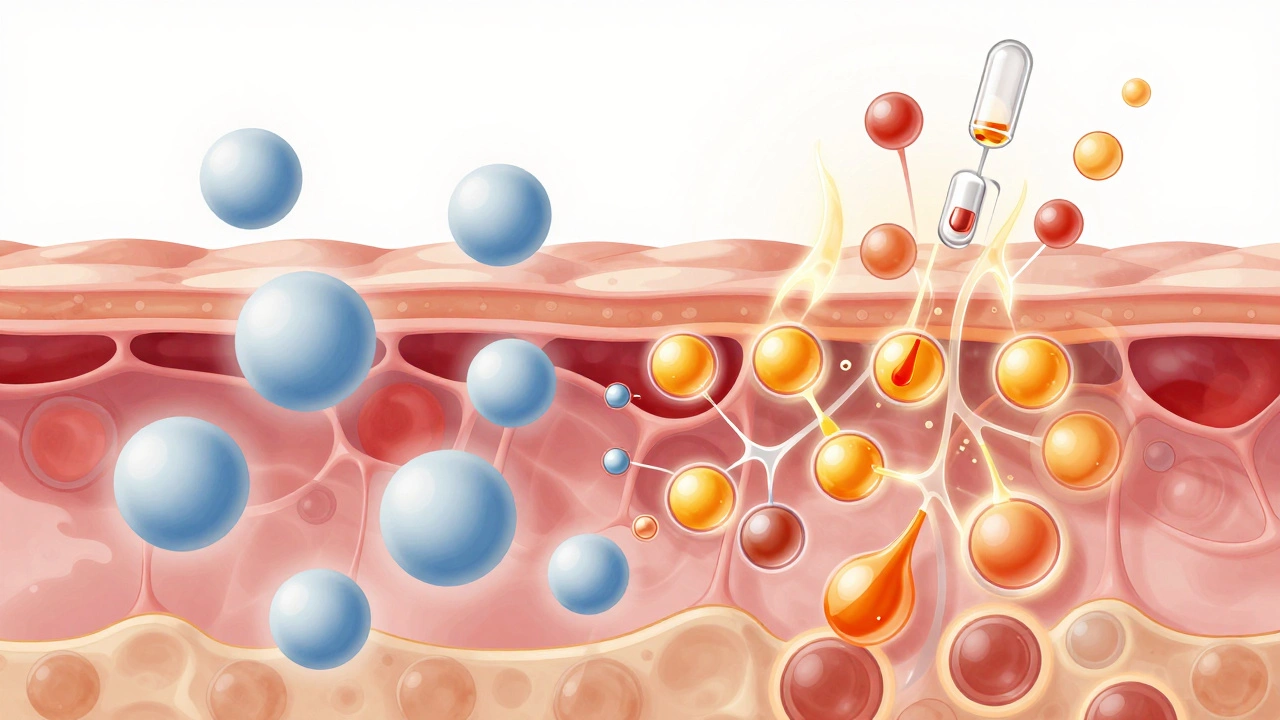
It is not just about how much active ingredient is in the bottle; it is about whether that ingredient actually reaches your skin cells. This concept is known as bioavailability. Your skin’s outermost layer, the stratum corneum, is designed to keep things out. Moisturizers sit on top; treatments need to go in.
Professional skincare brands invest heavily in delivery systems. They use liposomal encapsulation, nano-emulsions, or peptide complexes to help ingredients bypass the skin’s natural barriers. For example, hyaluronic acid is great, but large molecules only hydrate the surface. Professional brands often blend different molecular weights of hyaluronic acid so some stay on top for immediate plumping while smaller molecules dive deep to hydrate from within. Retail brands rarely do this level of formulation engineering because it increases production costs significantly.
In Auckland, where our climate shifts from humid summers to dry, windy winters, this penetration technology matters. A lightweight serum that absorbs instantly rather than sitting greasy on the surface makes a huge difference in comfort and compliance. If a product feels bad, you won’t use it consistently, and consistency is the single biggest factor in skincare success.
Who Actually Needs Professional Skincare?
Not everyone needs to upgrade. If you have healthy, resilient skin with no major concerns, a basic cleanser, moisturizer, and sunscreen from a reputable drugstore brand is sufficient. You do not need to spend $150 on a face wash to have clean skin.
However, professional skincare becomes worth the investment if you fall into one of these categories:
- You have persistent conditions: Acne, rosacea, melasma, or severe hyperpigmentation often require higher-strength actives that retail brands cannot legally or safely provide.
- You are aging actively: Prevention is cheaper than correction. Starting a professional-grade retinoid or antioxidant regimen in your late 20s or early 30s can delay visible signs of aging more effectively than waiting until wrinkles appear.
- You have sensitive or reactive skin: Paradoxically, professional brands are often better for sensitive skin because they exclude common irritants like fragrance, essential oils, and harsh sulfates. They focus on barrier repair with ceramides and peptides.
- You undergo aesthetic treatments: If you get laser treatments, chemical peels, or microneedling, your skin needs specialized post-care products to heal properly and maximize results. Using random retail products can interfere with healing.
The Cost-Benefit Analysis
Let’s talk money. Professional skincare is expensive. A full routine can easily run $300-$500 per month. Is it worth it? Consider the alternative. Treating advanced sun damage, deep wrinkles, or severe acne later in life often requires cosmetic procedures like lasers or fillers, which can cost thousands of dollars per session. Consistent use of effective preventive skincare can reduce the frequency and intensity of those future treatments.
Also, consider the "cost per ounce" versus "cost per result." A cheap cream that does nothing is a waste of $20. An expensive serum that clears your acne or fades dark spots provides tangible value. Look for brands that are transparent about their ingredient lists and concentrations. Avoid brands that hide behind proprietary blends without listing percentages.
How to Choose the Right Professional Brand
With so many options, how do you pick? Don’t just buy whatever is in the dermatologist’s lobby. Do your homework.
- Check the INCI list: Look for active ingredients near the top of the list. If "water" and "alcohol" are the first two ingredients, followed by ten inactive compounds before the "active" serum component, you are paying for marketing, not medicine.
- Seek third-party testing: Reputable professional brands publish clinical study results showing efficacy data, not just consumer satisfaction surveys.
- Consult a professional: Since I live in New Zealand, I know how important personalized advice is. A qualified esthetician or dermatologist can assess your skin type and recommend a regimen tailored to your local environment and genetic predispositions.
- Start slow: Introduce one new professional product at a time. Wait two weeks before adding another. This helps you identify any adverse reactions immediately.
The Verdict: Does It Make a Difference?
Yes, medical grade or professional skincare makes a difference-but only if you choose the right products for your specific skin concerns. The label itself is meaningless; the formulation is everything. If you are struggling with stubborn skin issues that over-the-counter products haven’t touched, upgrading to a clinically formulated regimen with higher active concentrations and better delivery systems is likely your best next step. Just remember: consistency beats intensity. The best product is the one you will use every day without irritation.
Is medical grade skincare the same as prescription skincare?
No. Prescription skincare, such as tretinoin or hydroquinone, requires a doctor's order and is regulated as a drug. Medical grade or professional skincare is available over-the-counter (though often through specialists) and contains higher concentrations of active ingredients than standard cosmetics, but it is not classified as a pharmaceutical drug.
Can I use professional skincare if I have sensitive skin?
Yes, and it may even be beneficial. Many professional brands formulate specifically for sensitive skin, avoiding fragrances, dyes, and common allergens. However, because the active ingredients are stronger, you must introduce them slowly and patch test to ensure your barrier can handle the increased potency.
Why is professional skincare so expensive?
The cost reflects higher concentrations of pure active ingredients, advanced delivery technologies (like liposomes), rigorous clinical testing, and premium packaging designed to protect unstable ingredients from light and air. You are also paying for research and development rather than just marketing.
Do I need a dermatologist to buy medical grade skincare?
Not necessarily. While many professional lines are sold exclusively in clinics, some are available through authorized online retailers or high-end spas. However, consulting a dermatologist or esthetician ensures you select the correct products for your specific skin condition, preventing wasted money and potential irritation.
How long does it take to see results from professional skincare?
Skin cell turnover takes approximately 28 days. Most professionals recommend using a consistent regimen for at least 8 to 12 weeks before evaluating effectiveness. Hydration improvements may be seen in days, but changes in pigmentation, texture, and fine lines require months of consistent use.