Salon Tipping Calculator & Etiquette Guide
Service Details
Stylist Gratuity
Based on standard rates.
Shampoo Assistant Gratuity
Direct personal service provided.
Enter service details to see recommended tipping amounts based on regional standards and salon structure.
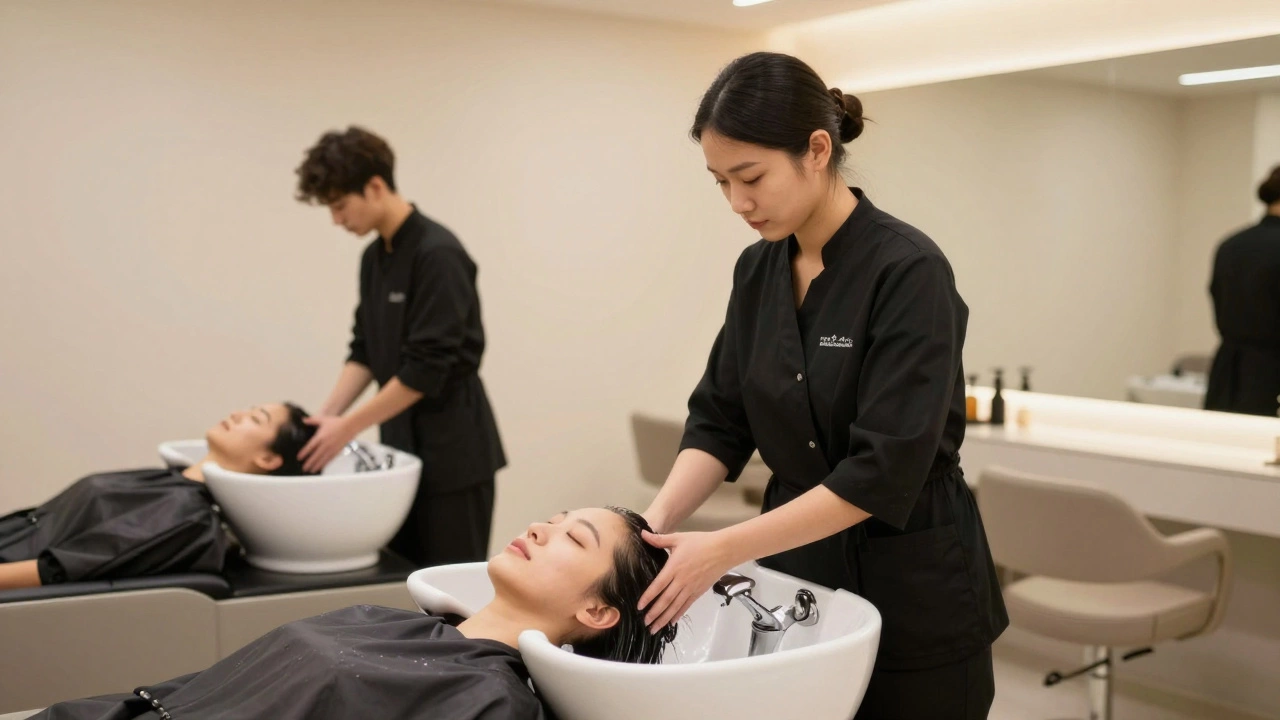
Walk into a busy salon in Auckland or New York, sit in the chair, and watch the choreography unfold. Your stylist is cutting your bangs with precision. Meanwhile, another person-often called the shampoo girl, shampoo assistant, or backwash technician-is massaging your scalp and rinsing out the color. You leave feeling refreshed. But then comes the awkward moment: handing over the cash. Do you tip the person who washed your hair separately from the stylist? Or does the stylist keep it all?
This question trips up even seasoned clients. It’s not just about money; it’s about recognizing labor, understanding service hierarchies, and navigating unspoken social contracts. If you’ve ever wondered whether that $5 bill goes to the stylist alone or if there’s a separate envelope for the assistant, you’re not alone. Let’s clear up the confusion once and for all.
The Short Answer: Yes, Usually
In most full-service salons, especially in North America, tipping the shampoo assistant separately is the standard expectation. While practices vary by region and salon type, the general rule is simple: if someone provides direct personal service to you, they deserve a tip. Since the shampoo assistant spends significant time on your head, performing a skilled task that enhances your experience, they are considered a distinct service provider.
Think of it like dining at a restaurant. The server brings your food, but the busser clears your plate and resets the table. You don’t tip the busser directly, but their role supports the overall experience. In a salon, however, the shampoo assistant isn’t just clearing plates-they’re providing a hands-on treatment. That changes the dynamic entirely.
Who Exactly Is the "Shampoo Girl"?
First, let’s clarify terminology. "Shampoo girl" is an outdated term that many in the industry find reductive. Today, these professionals are often titled Shampoo Technicians, Backwash Assistants, or Junior Stylists. They may be students training toward licensure, experienced assistants supporting senior stylists, or dedicated specialists focused solely on hair washing and scalp treatments.
Their role involves more than just wetting hair. A good shampoo technician:
- Consults with the stylist about water temperature and pressure preferences
- Performs scalp massages that relieve tension and improve circulation
- Ensures complete removal of chemicals during coloring processes
- Maintains hygiene standards across multiple stations
- Often acts as the first point of contact when you enter the salon
This isn’t menial labor. It’s specialized work requiring physical stamina, attention to detail, and interpersonal skills. When you recognize this, tipping becomes less about obligation and more about appreciation.
Regional Differences Matter
Tipping culture isn’t universal. Where you live significantly impacts what’s expected.
| Region | Stylist Tip | Shampoo Assistant Tip | Notes |
|---|---|---|---|
| United States | 15-20% | $5-$10 per wash | Separate tipping is standard practice |
| Canada | 15-20% | $3-$8 per wash | Similar to US, but slightly lower amounts |
| New Zealand (Auckland) | Optional (10% if exceptional) | Rarely expected | Tipping not culturally ingrained; service charges may apply |
| United Kingdom | 10-15% (optional) | Not customary | Assistants usually paid hourly wages |
| Australia | 10% (if desired) | Uncommon | No strong tipping culture; focus on fair wages |
If you’re visiting Auckland, you might notice something different. Tipping isn’t embedded in New Zealand’s service culture the way it is in the US. Most salons here pay living wages, and service staff expect fair compensation through employment, not gratuities. However, if you’re traveling from abroad or frequenting high-end establishments that cater to international tourists, expectations may shift. Always observe local norms or ask discreetly.
Salon Structure Changes Everything
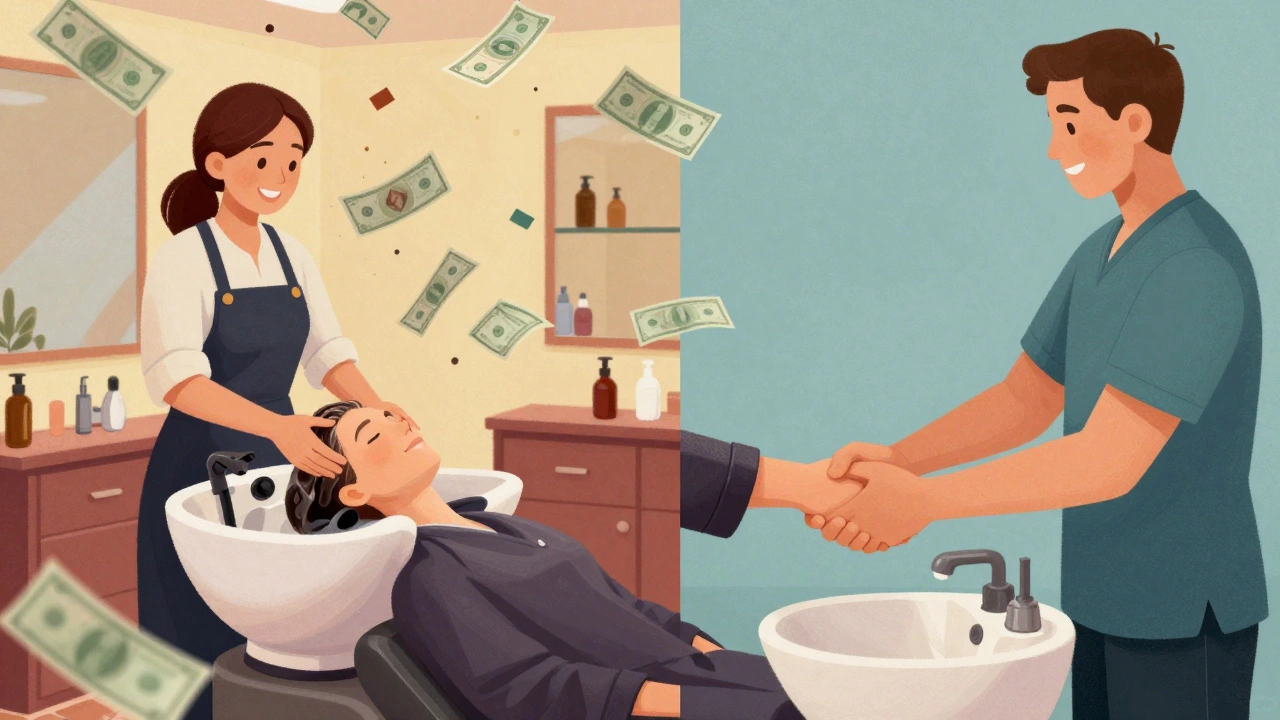
Not all salons operate the same way. The organizational model determines how tips flow-and whether you should tip separately at all.
Full-Service Salons
In traditional brick-and-mortar salons with multiple staff members, roles are clearly divided. Your stylist focuses on cutting, coloring, and styling. The shampoo assistant handles pre-treatment care. Because two people serve you directly, two tips are appropriate. Most salons in this model encourage separate tipping because assistants rely heavily on gratuities to supplement their base income.
Boutique or Solo Stylist Studios
If you book with an independent stylist who works out of a private studio, they likely handle everything themselves-including washing your hair. In this case, no separate tip is needed. One comprehensive gratuity covers all services rendered.
Chain Salons with Service Charges
Some large chains include automatic service fees or pooled tip systems. Check your receipt carefully. If a 15% service charge is already added, additional tipping may be optional. However, if you want to reward exceptional service from the shampoo assistant specifically, leaving extra cash shows thoughtfulness.
How Much Should You Tip?
There’s no strict formula, but guidelines help avoid under- or over-tipping. Here’s what experts recommend:
- Basic Wash Only: $3-$5
- Wash + Scalp Massage: $5-$8
- Complex Treatment Prep (e.g., balayage rinse): $8-$12
- Student Assistant Training: Same as above-experience level doesn’t reduce value
Consider duration and effort. A quick rinse before a trim requires less time than a deep-conditioning session after highlights. Adjust accordingly. Also factor in frequency-if you visit monthly, consistent small tips build goodwill faster than occasional large ones.
What If You Don’t Have Cash?
Digital payments have changed tipping dynamics. Many modern POS systems allow you to split tips between providers during checkout. Look for options like “Tip Stylist” and “Tip Assistant” on your payment screen. If unavailable, speak to the front desk. Reputable salons will ensure your tip reaches the right person-even if handed to the stylist initially, ethical professionals distribute shares fairly.
Never assume the stylist keeps 100% of your gratuity unless explicitly stated. Transparency matters. If unsure, ask politely: “I’d like to make sure both my stylist and assistant receive tips. How do you handle that?”
Common Mistakes to Avoid
Even well-intentioned clients sometimes misstep. Watch out for these pitfalls:
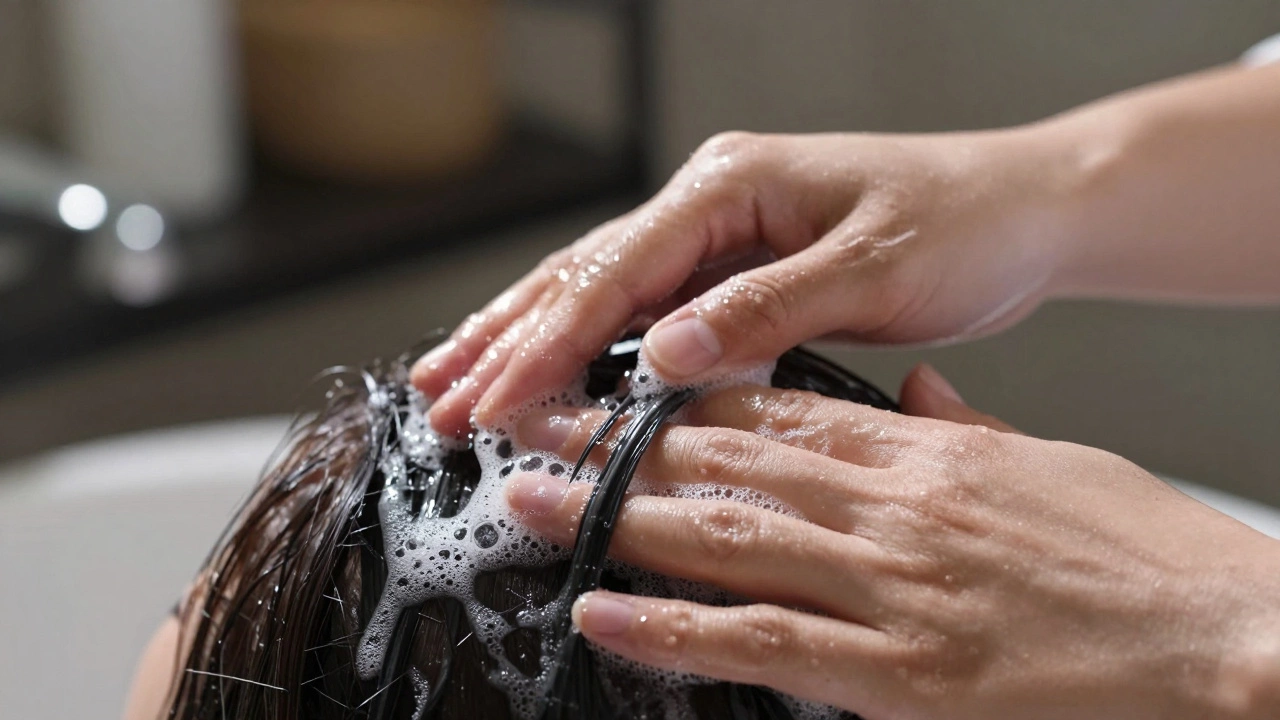
- Underestimating the Role: Assuming shampooing is “just cleaning” ignores its therapeutic and technical aspects.
- Tipping Based on Gender: Using gendered terms like “shampoo girl” perpetuates outdated stereotypes. Focus on the job, not identity.
- Forgetting Regular Visitors: Just because you know the assistant doesn’t mean they stop working hard. Consistency builds relationships.
- Ignoring Non-Monetary Appreciation: A sincere thank-you, positive review mentioning them by name, or recommending friends adds immense value beyond cash.
When Not to Tip Separately
There are exceptions. Skip the separate tip if:
- The assistant was merely fetching towels or refilling water-not touching your hair
- You booked a package deal where all services are bundled and priced inclusively
Context dictates action. Pay attention to cues: Did the assistant introduce themselves? Did they consult with you about sensitivity or preference? These signals indicate personalized service worthy of recognition.
Why This Matters Beyond Money
Tipping reflects broader values around dignity, equity, and respect in service industries. Hair care workers-especially those in entry-level or support roles-often face wage instability, long hours, and limited benefits. Fair tipping helps close gaps left by systemic inequities.
Moreover, acknowledging each contributor fosters a healthier workplace environment. When assistants feel seen and valued, morale improves. Better morale leads to better service. Everyone wins.
So next time you sink into that shampoo chair, take a moment to appreciate the skill involved. Then, when the bill arrives, honor that effort appropriately. Whether you’re in Auckland, Atlanta, or anywhere in between, thoughtful tipping strengthens the bond between client and creator.
Should I tip the shampoo assistant if my stylist also washed my hair?
No. If your stylist performed all tasks-including washing-then one tip covers everything. Separate tipping only applies when distinct individuals provide separate services.
Is it rude not to tip the shampoo girl?
In regions with strong tipping cultures like the US, yes-it can be perceived as disrespectful. In places like New Zealand or Australia, it’s generally acceptable since tipping isn’t expected. Always consider local customs.
Can I give the tip to the stylist instead of the assistant?
Technically yes, but ethically questionable. Ethical stylists will share tips fairly, but relying on redistribution risks inconsistency. Directly tipping the assistant ensures they receive immediate recognition.
How do I know if the salon uses a tip-pooling system?
Check your receipt for language like “service fee included” or “tips shared among staff.” Alternatively, ask the receptionist upon booking. Transparent salons disclose their policies upfront.
What if I’m unhappy with the shampoo service?
Provide specific feedback rather than silently reducing your tip. Say, “I appreciated the effort, but the water pressure was too hot for my scalp.” Constructive criticism helps improve future experiences while maintaining professionalism.
Does tipping the shampoo assistant affect my relationship with the stylist?
Not negatively-in fact, positively. Professional stylists understand team-based service models. Showing appreciation for all contributors demonstrates maturity and respect for the entire process.
Are there tax implications for tipped income in New Zealand?
Since tipping is uncommon in NZ, most salons don’t report gratuities as taxable income. However, if you receive regular tips voluntarily, consult IRD guidelines. Generally, casual gifts aren’t taxed, but structured bonuses are.
What’s the best way to leave a tip digitally?
Use integrated POS systems that allow multi-receiver tipping. If unavailable, specify verbally during payment: “Please allocate $5 to my shampoo assistant.” Written notes attached to digital receipts also work effectively.