
Cosmetic Surgery Regret Risk Calculator
Assessment Tool
Select options and click calculate
You wake up after the procedure. The bandages come off. You look in the mirror. For most people, this is a moment of triumph. But for a small percentage, it is the start of a long, difficult journey toward undoing what was done. If you are considering elective surgery in the UK, you need to know one thing: regret happens. It is not just a Hollywood trope; it is a documented medical reality.
The question isn't just "will I hate it?" It is "how likely am I to want it reversed?" And more importantly, "why do some people regret their decisions while others love them?" The numbers might surprise you. They are lower than you think, but the consequences for those who experience regret are high. Let's look at the real data behind cosmetic surgery regret rates and how to ensure you don't become a statistic.
The Real Numbers Behind Surgical Regret
First, let's clear up the confusion between dissatisfaction and regret. Dissatisfaction means you aren't thrilled with the result. Regret means you wish you had never had the surgery at all, or that you actively seek reversal procedures. These are two different things. Most studies focus on satisfaction because patients rarely report negative feelings unless they sue their surgeon.
In the UK, data from the British Association of Aesthetic Plastic Surgeons (BAAPS) shows that overall patient satisfaction remains high, often hovering around 90% to 95%. That sounds good, right? But if we flip that number, we find that 5% to 10% of patients experience significant dissatisfaction. Of that group, only a fraction actually pursue corrective surgery or express deep regret.
A landmark study published in the journal *Plastic and Reconstructive Surgery* analyzed over 10,000 patients across various procedures. The findings revealed that the overall regret rate for all cosmetic surgeries combined is approximately 3% to 5%. However, this average hides huge variations depending on the specific procedure. Some surgeries have near-zero regret rates, while others carry much higher risks of buyer's remorse.
| Procedure | Satisfaction Rate | Dissatisfaction Rate | Regret/Reversal Risk |
|---|---|---|---|
| Breast Augmentation | 85-90% | 10-15% | Moderate (Capsular Contracture issues) |
| Rhinoplasty (Nose Job) | 75-80% | 20-25% | High (Most revision surgeries) |
| Abdominoplasty (Tummy Tuck) | 90-95% | 5-10% | Low |
| Facelift | 85-90% | 10-15% | Low-Moderate |
| Liposuction | 80-85% | 15-20% | Moderate (Weight regain issues) |
Notice the pattern? Procedures that change your profile significantly, like nose jobs, tend to have higher dissatisfaction rates. Why? Because the nose is central to your identity. Change it too much, and you don't recognize yourself. Change it too little, and you feel the money was wasted. It is a narrow window of success.
Why Do People Regret Cosmetic Surgery?
It is easy to blame the surgeon for a bad outcome. Sometimes, it is their fault. Poor technique, infection, or unexpected complications can ruin results. But surprisingly, many cases of regret have nothing to do with surgical skill. They stem from psychological mismatches between expectation and reality.
One major driver is Body Dysmorphic Disorder (BDD). Studies suggest that up to 6% to 15% of cosmetic surgery patients may suffer from BDD. This is a mental health condition where a person becomes obsessed with perceived flaws in their appearance-flaws that are invisible or minor to everyone else. No amount of surgery fixes BDD. In fact, it often makes it worse. The patient focuses on a new flaw immediately after recovery.
Another common cause is unrealistic expectations. Social media has skewed our perception of normal anatomy. Filters, angles, and lighting create impossible standards. When you sit down with a surgeon, you might show them a photo of a celebrity and say, "I want that." A good surgeon will tell you that you cannot have that exact nose because your bone structure is different. If you ignore that advice and push for an unnatural result, you are setting yourself up for regret.
Then there is the issue of life changes. You get breast implants at 25. By 40, your body changes due to pregnancy, weight fluctuations, or aging. The implants no longer fit your new body shape. This isn't necessarily "regret" in the emotional sense, but it leads to revision surgeries that many people wish they could avoid. It is the cost of maintaining a youthful look over decades.
The Highest-Risk Procedures for Regret
If you are worried about regret, you need to know which surgeries carry the highest risk. Not all cosmetic procedures are created equal. Some are straightforward with predictable outcomes. Others are complex artistic endeavors with subjective results.
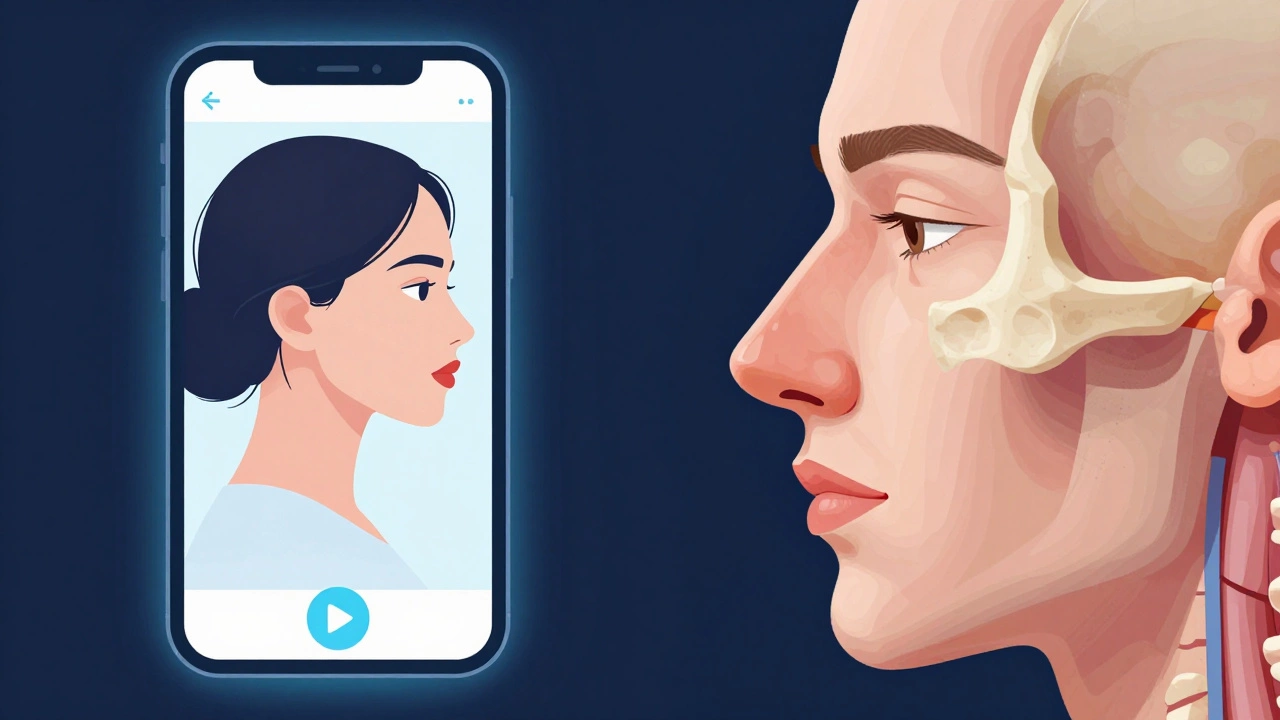
Rhinoplasty consistently tops the list for dissatisfaction. Why? Because the nose is three-dimensional. Photos are two-dimensional. What looks perfect in a static image might look strange when you move your face. Additionally, nasal breathing is functional. If a surgeon prioritizes aesthetics over airflow, you might end up looking better but struggling to breathe. That combination drives many patients back to the operating room for revisions. In the UK, rhinoplasty has the highest rate of secondary procedures among all aesthetic operations.
Breast Augmentation is another area where regret creeps in. While initial satisfaction is high, long-term issues arise. Capsular contracture-a hardening of the scar tissue around the implant-is a common complication. It can make breasts feel rock-hard and look distorted. Many women choose to remove their implants years later, not because they dislike the look, but because of the physical discomfort and anxiety about implant safety. The "bboob job removal" trend on social media reflects this growing sentiment.
Facelifts also carry a unique risk. If a surgeon pulls too tight, the result can look "wind-blown" or unnatural. As you age further, the discrepancy between your lifted skin and your natural facial expressions becomes more obvious. This "frozen" look is a common source of regret for older patients who realize they lost their ability to emote naturally.
How to Minimize Your Risk of Regret
You cannot eliminate risk entirely, but you can drastically reduce your chances of ending up unhappy. The key lies in preparation, not just the surgery itself. Here is how smart patients protect themselves.
- Choose a BAAPS-accredited surgeon: In the UK, always check if your surgeon is on the BAAPS register. These surgeons adhere to strict ethical and clinical standards. They are more likely to refuse surgery if they believe you have unrealistic expectations or underlying psychological issues.
- Get a second opinion: Never rush into surgery based on one consultation. Talk to at least two other qualified surgeons. If both agree on the approach, you are likely on solid ground. If one suggests a completely different method, dig deeper.
- Use 3D imaging wisely: Many clinics now offer 3D simulation technology. This helps visualize potential outcomes. Remember, it is a simulation, not a guarantee. Use it to discuss proportions, not to demand exact replication.
- Address mental health first: If you feel obsessive thoughts about your appearance, pause. Consider speaking with a therapist before booking surgery. Fixing your mind is more important than fixing your face.
- Be honest about your goals: Tell your surgeon exactly why you want the surgery. Is it for confidence? To match a partner? To fit into clothes? Honest conversations help align expectations.
Timing matters too. Don't get surgery during a crisis. Breakups, job losses, or family deaths are terrible times to make permanent changes. Wait until you are emotionally stable. Your decision should be yours alone, not influenced by external pressure.
The Hidden Cost of Revision Surgery
If you do regret your decision, the path forward is expensive and physically taxing. Revision surgery is harder than primary surgery. Scar tissue makes the anatomy less distinct. Healing takes longer. Risks of complications increase. In the UK, a revision rhinoplasty can cost £5,000 to £10,000, often more than the original procedure. Insurance rarely covers these costs unless there is a functional impairment.
Emotionally, the toll is significant. Patients who undergo multiple revisions often report feeling trapped in a cycle of hope and disappointment. Each surgery offers a chance to fix the problem, but each also carries the risk of making things worse. This is why prevention is so critical. Getting it right the first time is the best investment you can make.
Some patients choose non-surgical alternatives to correct minor imperfections rather than going under the knife again. Dermal fillers, laser resurfacing, or thread lifts can tweak results without major surgery. These options are temporary but offer flexibility if you are unsure about permanent changes.
Navigating the UK Healthcare Landscape
In the UK, cosmetic surgery is largely unregulated by the National Health Service (NHS). The NHS only funds cosmetic procedures in exceptional circumstances, such as reconstructive surgery after cancer treatment or severe congenital defects. Elective cosmetic surgery is entirely private. This means you are responsible for vetting your provider.
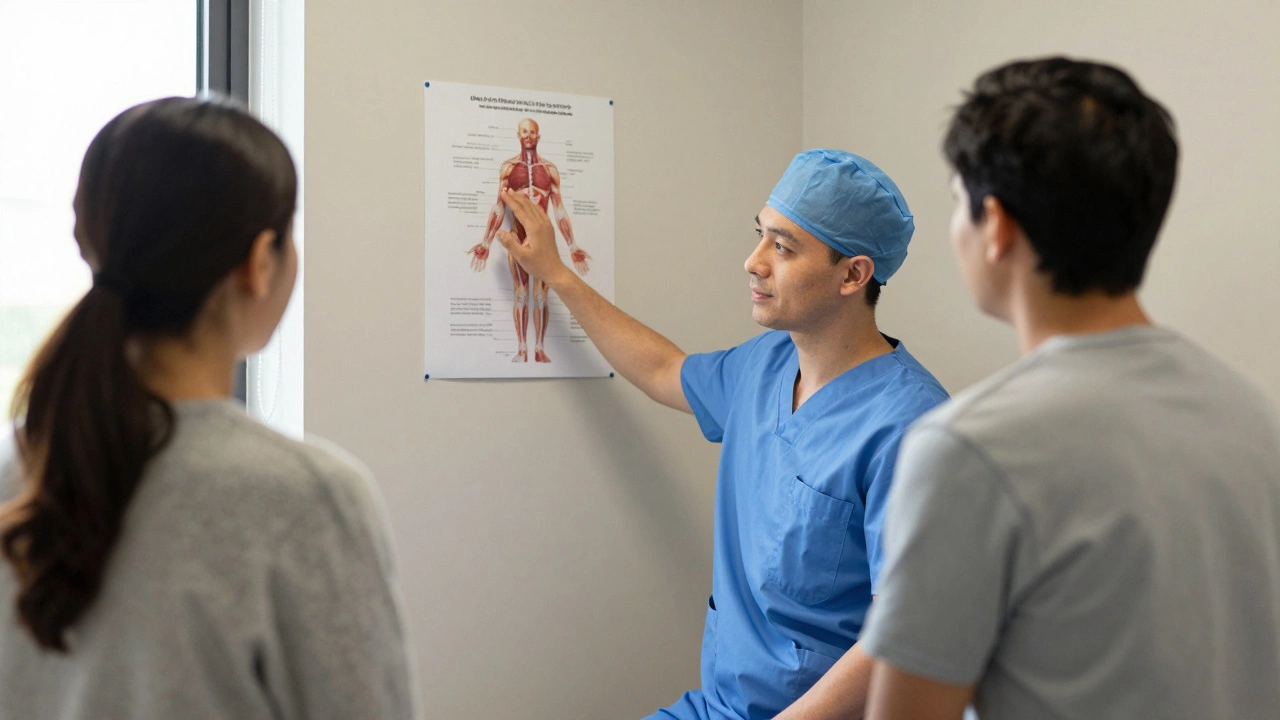
Always ask to see before-and-after photos of the surgeon's actual patients, not stock images. Look for consistency in results. Ask about their complication rates. A transparent surgeon will share this information openly. If they dodge questions or pressure you to book immediately, walk away. Good surgeons take time to educate their patients.
Check where the surgery will take place. It should be in a CQC-registered facility. The Care Quality Commission regulates healthcare providers in England. Ensure the facility meets safety standards for anesthesia and emergency care. Cheap prices often mean cutting corners on safety.
What is the average regret rate for cosmetic surgery in the UK?
The overall regret rate for cosmetic surgery in the UK is estimated to be between 3% and 5%. However, this varies significantly by procedure. Rhinoplasty has a higher dissatisfaction rate of 20-25%, while abdominoplasty has a lower regret rate of less than 5%. Most patients report high satisfaction, but a small minority experience significant regret requiring revision surgery.
Which cosmetic surgery has the highest regret rate?
Rhinoplasty (nose jobs) consistently reports the highest dissatisfaction and regret rates among cosmetic procedures. This is due to the complexity of nasal anatomy, the subjective nature of aesthetic results, and the impact on breathing function. Breast augmentation also sees significant long-term regret due to complications like capsular contracture and implant aging.
Can I reverse cosmetic surgery if I regret it?
Yes, many cosmetic surgeries can be reversed or revised. Breast implants can be removed, facelifts can be redone, and nose jobs can be corrected. However, revision surgery is more complex, expensive, and risky than the initial procedure. Complete restoration to the pre-surgery state is often impossible due to scar tissue and anatomical changes.
How do I know if I'm a good candidate for cosmetic surgery?
You are a good candidate if you have realistic expectations, are in good general health, and have stable emotions. You should seek surgery to improve your self-confidence, not to solve life problems. Consult with a BAAPS-accredited surgeon who can assess your physical suitability and psychological readiness. Be wary if you feel pressured or if your goals seem unrealistic.
Does Body Dysmorphic Disorder affect surgical outcomes?
Yes, significantly. Patients with Body Dysmorphic Disorder (BDD) rarely achieve satisfaction from cosmetic surgery. They tend to focus on minor imperfections post-surgery and may request repeated revisions. Ethical surgeons often decline to operate on patients with untreated BDD, recommending psychological therapy instead. Identifying BDD early can prevent unnecessary surgery and regret.