Skincare Professional Pathway Finder
Not sure who can help with your skin concerns? Answer these questions to find out if you need an Esthetician (cosmetic care) or a Dermatologist (medical care).
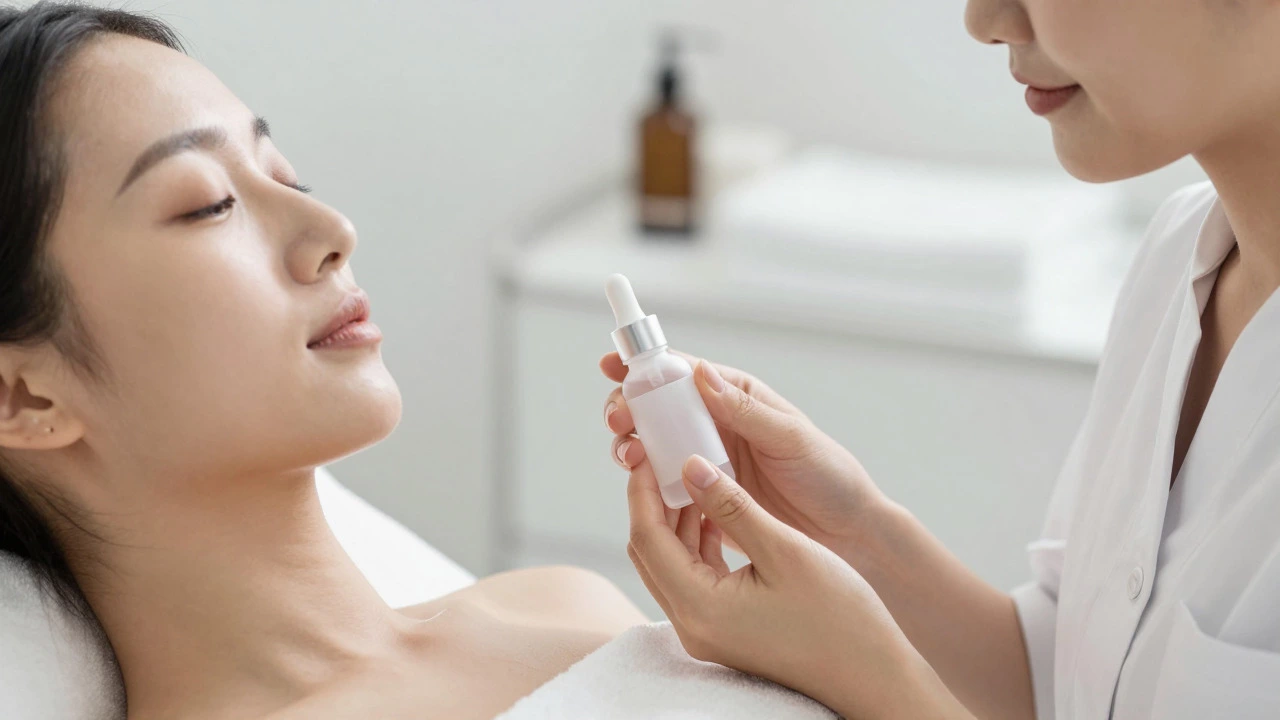
You sit in the treatment chair, skin glowing after a deep cleanse and exfoliation. Your Elara Windom (or rather, your therapist) hands you a bottle of serum and says, "This will really help with those dark spots." You hand over your credit card, but a nagging question remains: Are they actually qualified to tell you what to put on your face?
The short answer is yes. But the full answer depends entirely on where you live, how they were trained, and whether they are selling you a cure or just maintenance.
What an Esthetician Actually Does
To understand if their advice holds water, we first need to define who they are. An esthetician, also known as a skin care specialist, is a licensed professional trained in cosmetic treatments for the skin. Unlike doctors, they do not diagnose medical conditions. Instead, they focus on improving the appearance and health of the skin through non-invasive procedures.
Their training typically covers anatomy and physiology, chemistry, sanitation, and specific techniques like facials, chemical peels, and microdermabrasion. In many regions, including parts of New Zealand and the United States, this training takes anywhere from several months to two years. They learn how different ingredients interact with the skin barrier, how to identify signs of dehydration versus oiliness, and which active ingredients work best for specific concerns like acne or aging.
This knowledge base allows them to make informed skincare product recommendations. When an esthetician suggests a vitamin C serum for brightening or a retinol alternative for sensitivity, they are drawing on a curriculum designed specifically for topical application and skin response.
The Legal Lines: What They Can and Cannot Do
Here is where it gets tricky. The ability to recommend products is almost universal among licensed professionals, but the depth of that recommendation is regulated by state or national boards. This regulation exists to protect consumers from medical misdiagnosis.
An esthetician can assess your skin type-oily, dry, combination, or sensitive-and suggest products that maintain its balance. They can look at your current routine and identify potential irritants. However, they cannot diagnose skin diseases. If you have cystic acne, rosacea, or suspicious moles, an esthetician’s role shifts from advisor to referrer. They should point you toward a dermatologist.
In some jurisdictions, such as certain states in the US or under strict Australian/New Zealand health regulations, estheticians are prohibited from prescribing medications. This means they cannot write scripts for tretinoin or oral antibiotics. Their toolkit is limited to over-the-counter (OTC) cosmetics and cosmeceuticals. Understanding this boundary is crucial for managing your expectations.
| Role | Primary Focus | Can Diagnose Conditions? | Can Prescribe Medication? | Product Recommendation Scope |
|---|---|---|---|---|
| Esthetician | Cosmetic improvement & maintenance | No | No | OTC cosmetics, serums, cleansers |
| Dermatologist | Medical skin health & disease | Yes | Yes | Prescription drugs, medical-grade devices |
| Cosmetologist | Hair, nails, general beauty | No | No | General retail products |
Why Their Recommendations Often Work Better Than Retail Guesswork
If you’ve ever stood in a drugstore aisle staring at fifty different moisturizers, you know the paralysis of choice. Estheticians cut through this noise. Their recommendations are valuable because they are personalized based on visual assessment and tactile feedback during treatments.
They see your skin without makeup, under bright clinical lights, often after it has been prepped and opened up. They notice texture changes, pore congestion, and uneven tone that you might miss in your bathroom mirror. When they recommend a product, it is usually tailored to counteract the specific issues they observed during your facial.
Furthermore, estheticians stay updated on ingredient trends and scientific studies regarding topical applications. They understand the difference between a humectant (which draws moisture in) and an occlusive (which seals it in). This technical knowledge helps them build a routine that works synergistically, rather than throwing random products at your face.

Red Flags: When to Question the Advice
Not all recommendations are created equal. While most licensed professionals act ethically, the beauty industry is driven by sales commissions. Here is how to spot when an esthetician might be prioritizing profit over your skin health:
- The "Miracle Cure" Pitch: If they claim a single cream will erase deep wrinkles or cure hormonal acne overnight, walk away. No topical product works that fast or that effectively for structural issues.
- Ignoring Medical History: A good esthetician asks about your medical history, current medications, and allergies before suggesting anything. If they skip this step, their advice is likely generic and potentially unsafe.
- Pushing Expensive Bundles: Being sold a $300 kit is common, but being pressured into buying it immediately without a trial period is a warning sign. Legitimate professionals offer samples or small sizes first.
- Diagnosing Without Credentials: If they say, "You have early-stage melanoma," they are breaking the law and ethics codes. They should say, "This spot looks irregular; please see a doctor."
How to Get the Most Value from Their Advice
To ensure you are getting genuine expertise, treat your esthetician as a consultant, not a dictator. Ask questions. "Why this ingredient?" "How does this interact with my current retinol?" "Is there a cheaper alternative with similar benefits?" A knowledgeable professional will welcome these inquiries and explain the science behind their choices.
Also, consider the brand they carry. Many salons use house brands or exclusive lines. While these can be high quality, they may not always be the absolute best option for your specific budget or skin type. Don’t be afraid to ask if a drugstore equivalent exists. For example, hyaluronic acid is hyaluronic acid, regardless of the price tag, though formulation stability varies.

The Collaboration Model: Best Results Come from Teams
The ideal scenario for serious skin concerns is a collaborative approach. Use your esthetician for maintenance, prevention, and cosmetic enhancement. Use your dermatologist for diagnosis, prescription medication, and procedural interventions like laser surgery or biopsies.
In fact, many top-tier dermatologists refer patients to estheticians for post-procedure care. After a laser treatment, the skin needs gentle, specific products to heal properly. An esthetician knows exactly which soothing agents and barriers to apply to support that healing process without interfering with the medical outcome.
Think of it like dental care. You go to the dentist for fillings and root canals (medical intervention), but you hire a hygienist for cleanings and polishing (maintenance and aesthetics). Both are essential, but they serve different purposes.
Frequently Asked Questions
Can an esthetician prescribe Retin-A?
No. Retin-A (tretinoin) is a prescription medication. Only a licensed medical doctor, such as a dermatologist or general practitioner, can prescribe it. Estheticians can recommend over-the-counter retinol or retinaldehyde, which are weaker derivatives.
Are esthetician recommendations better than buying online?
Often, yes. Online shopping relies on marketing and reviews, which can be biased. An esthetician assesses your actual skin condition in person. They can identify underlying issues like barrier damage that you might mistake for dryness, leading to more effective product choices.
Do estheticians get commission on products they sell?
Many do. It is standard industry practice for salons to pay estheticians a percentage of product sales. This doesn't mean their advice is bad, but it is important to be aware of the financial incentive. Always feel free to ask for alternatives outside their inventory.
When should I see a dermatologist instead of an esthetician?
See a dermatologist if you have sudden changes in skin texture, painful cysts, bleeding lesions, signs of infection, or if your acne does not respond to over-the-counter treatments. Estheticians handle cosmetic concerns; dermatologists handle medical ones.
Is an esthetician license required to give skincare advice?
In most regions, yes. Performing facials or giving personalized professional advice usually requires a state or national license. Unlicensed individuals can sell products, but they cannot legally perform treatments or provide professional consultations in a clinical setting.