Dental Implant Sedation Finder
Step 1: Select Your Comfort Level
How do you feel about the upcoming dental implant procedure?
Calm & Confident
I can sit through this with just numbing shotsSlightly Nervous
I'd like something to help me relaxQuite Anxious
The thought makes me very uncomfortableSevere Dental Phobia
I need to be completely unconsciousStep 2: Procedure Complexity
What type of dental implant procedure are you having?
Your Recommendation
Select your comfort level above to see personalized recommendations
Quick Comparison Guide
| Method | Awareness | Drive Home? |
|---|---|---|
| Local Anesthesia | Fully Awake | Yes |
| Nitrous Oxide | Awake & Relaxed | Yes |
| Oral Sedation | Drowsy | No |
| IV Sedation | Twilight Sleep | No |
| General Anesthesia | Unconscious | No |
Does the thought of lying in a dentist’s chair while someone drills into your jaw make your heart race? You are not alone. Many people assume that getting a dental implant is a titanium screw placed into the jawbone to replace a missing tooth root requires being completely unconscious. The short answer is: usually, no. Most procedures are done with you awake but pain-free. However, if you have severe anxiety or a complex case, going under general anesthesia is an option.
Understanding what happens during the procedure can take the fear out of the equation. Let’s break down exactly how dentists manage pain and comfort, from simple numbing shots to full hospital-style sleep.
The Standard Approach: Local Anesthesia
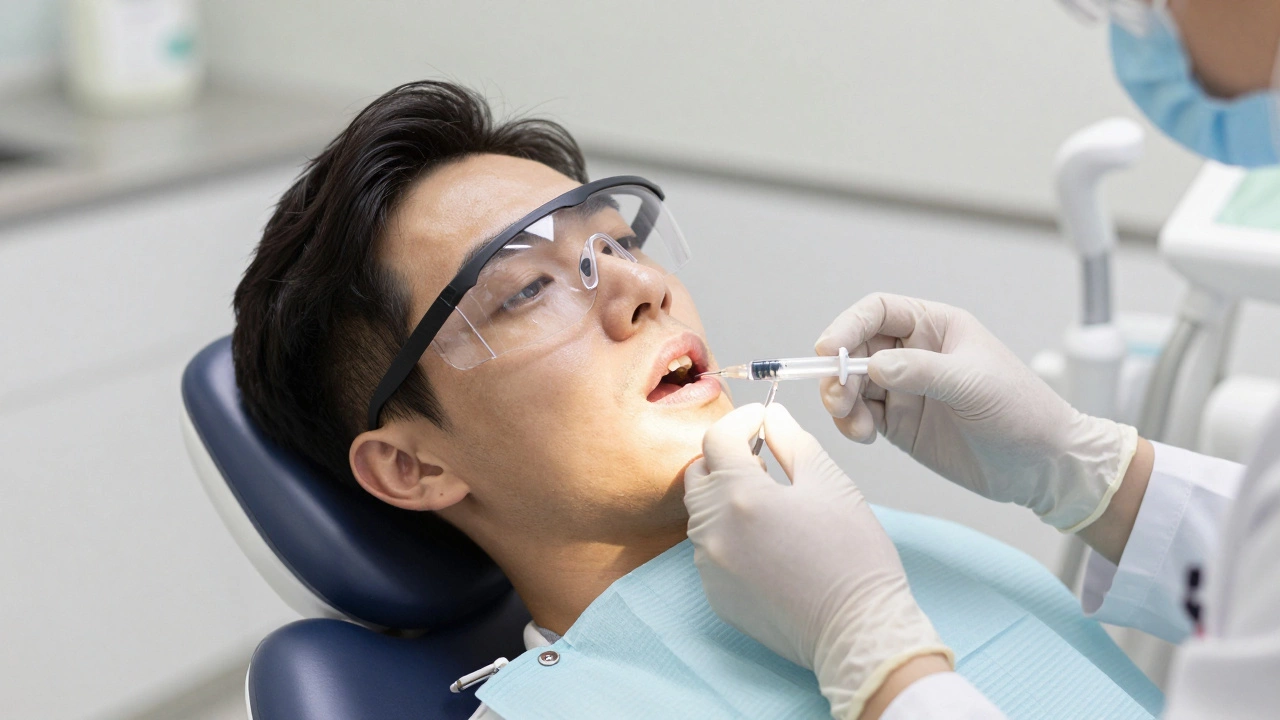
For the vast majority of patients, local anesthesia is medication injected near the nerve to block pain signals in a specific area is all that is needed. Think of it like the injection you get for a filling. You feel pressure, maybe some vibration, but absolutely no sharp pain.
Why is this the default? It is safer, cheaper, and allows for a much faster recovery. When you are awake, your body can regulate itself better. There is no risk of airway complications associated with deeper sedation. In the UK, where many private clinics operate, this is the standard protocol for straightforward single-tooth replacements.
- Sensation: You feel pressure and movement, but no pain.
- Awareness: You are fully awake and can talk to the dentist.
- Recovery: Immediate. You can drive yourself home once the numbness wears off (usually 2-4 hours).
- Cost: Lowest option as it requires no anesthesiologist.
If you have mild nerves, ask for a topical gel first. This numbs the gum surface so you barely feel the needle prick for the main injection.
Moderate Sedation: Nitrous Oxide and Oral Sedatives
If local anesthesia feels too intense because you are anxious, there is a middle ground. This is often called "conscious sedation." You remain awake enough to breathe on your own and respond to commands, but you feel relaxed and detached from the procedure.
Nitrous oxide is a colorless, odorless gas mixed with oxygen that induces relaxation, commonly known as laughing gas. It kicks in within minutes and wears off just as fast. You inhale it through a small mask over your nose. Many patients report feeling floaty or euphoric. It is particularly popular for children or adults with low-level dental phobia.
Another common method is oral conscious sedation. You take a pill, such as Midazolam is a benzodiazepine medication used to reduce anxiety and induce amnesia, about an hour before your appointment. This makes you drowsy and may cause you to forget parts of the procedure. Because you will be groggy afterward, you must have someone drive you home. You cannot operate machinery or sign legal documents for the rest of the day.
Deep Sedation and General Anesthesia: Being "Put to Sleep"
So, when do you actually get put to sleep? This involves general anesthesia is a state of controlled unconsciousness where the patient has no awareness or memory of the procedure. You are completely out cold. This is reserved for specific scenarios:
- Severe Dental Phobia: If your anxiety is so high that you cannot sit still or cooperate, safety becomes a concern.
- Complex Surgery: If you need multiple implants, bone grafting, or sinus lifts simultaneously, the procedure might last several hours. Staying awake for four hours of drilling is exhausting.
- Gag Reflex: Some patients have an uncontrollable gag reflex that interferes with the dentist’s work.
In the UK, general anesthesia for dental implants is typically performed in a hospital setting or a specialized clinic with a dedicated anesthetist. It is not something your regular hygienist does in the back room. This adds significant cost and logistical planning to your treatment.
With general anesthesia, you require a pre-operative assessment. Your medical history, allergies, and current medications are reviewed thoroughly. You will likely need to fast (no food or drink) for six to eight hours before the surgery to prevent aspiration risks.
IV Sedation: The Twilight Zone
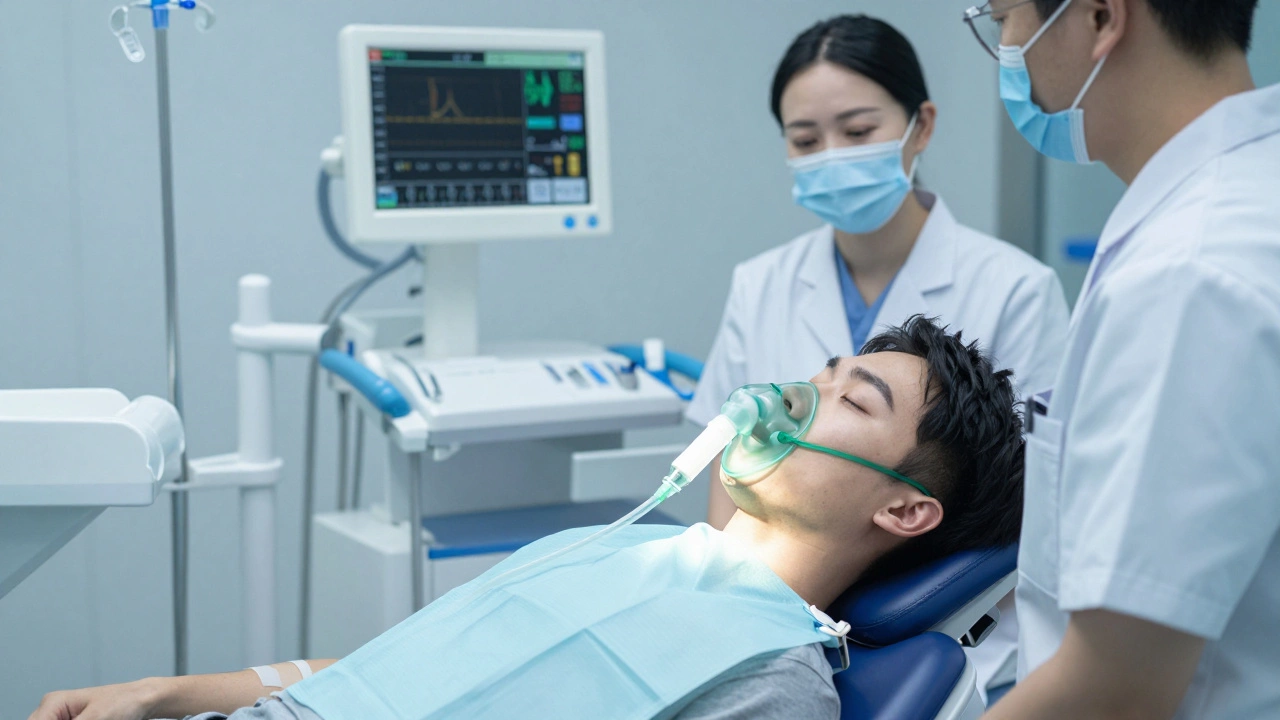
Between oral sedation and general anesthesia lies Intravenous (IV) sedation. Often called "twilight sedation," this involves administering drugs directly into your vein. It acts faster than pills and allows the dentist to adjust the level of sedation in real-time.
You are deeply relaxed and may drift in and out of sleep. Most patients remember very little, if anything, of the procedure. Like oral sedation, you need a chaperone to take you home. IV sedation is becoming more common in advanced private dental practices in London and Manchester for multi-implant cases.
Comparing Your Sedation Options
| Sedation Type | Awareness Level | Pain Control | Drive Home? | Best For |
|---|---|---|---|---|
| Local Anesthesia | Fully Awake | Numb Area Only | Yes | Standard single implants, low anxiety |
| Nitrous Oxide | Awake & Relaxed | Combined with Local | Yes | Mild anxiety, quick relief |
| Oral Sedation | Drowsy/Detached | Combined with Local | No | Moderate anxiety, shorter procedures |
| IV Sedation | Twilight/Sleepy | Combined with Local | No | High anxiety, complex multi-implant cases |
| General Anesthesia | Unconscious | Total Unawareness | No | Severe phobia, extensive surgery, long duration |
Cost Implications in the UK
Choosing to be put to sleep significantly impacts the price tag. A standard dental implant in the UK might cost between £1,500 and £2,500 depending on the location and the dentist’s expertise. Add general anesthesia, and you are looking at an additional £500 to £1,500 for the anesthetist’s fees and facility costs.
Most private dental insurance plans in the UK cover the implant structure itself but exclude sedation unless it is medically necessary due to a disability or extreme phobia documented by a specialist. Always check your policy details before booking. NHS coverage for implants is extremely limited and generally restricted to trauma or cancer reconstruction cases, never cosmetic reasons.

How to Prepare for Your Procedure
Regardless of the sedation type, preparation is key to a smooth experience. Here is what you need to do:
- Disclose Medications: Tell your dentist about blood thinners, antidepressants, or herbal supplements. These can interact with sedatives.
- Arrange Transport: If you choose anything stronger than nitrous oxide, book a ride now. Do not rely on friends who might be drinking; designate a sober driver.
- Eat Well Beforehand: If you are having IV or general anesthesia, follow fasting instructions strictly. For local anesthesia only, eat a hearty breakfast to keep your blood sugar stable.
- Wear Comfortable Clothes: Loose-fitting clothing helps you relax. Avoid jewelry that might interfere with monitoring equipment if you are going under deep sedation.
Recovery Differences Based on Sedation
Your physical healing from the implant site remains the same regardless of how you were sedated. However, your immediate post-op experience varies.
With local anesthesia, you might leave the clinic feeling perfectly fine, aside from a swollen lip. With general anesthesia or heavy IV sedation, you may experience nausea, dizziness, or confusion for 24 hours. Plan to rest at home with ice packs and soft foods ready. Avoid making important decisions or signing contracts for at least a day after taking strong sedatives.
Communication is your best tool. During your consultation, be honest about your fears. Dentists deal with anxiety every day. They would rather spend ten minutes explaining the process and offering extra time than rush a panicked patient. Asking questions like "Can I use earplugs?" or "Will you pause if I raise my hand?" gives you control back.
Final Thoughts on Choosing Sedation
You do not need to suffer through fear to get your smile back. Whether you opt for a simple numbing shot or go fully under, modern dentistry has a solution for your comfort level. The goal is a pain-free procedure and a successful long-term result. Discuss these options openly with your dental surgeon during the initial scan and planning phase. Knowing exactly what to expect is half the battle against dental anxiety.
Is it safe to be put to sleep for a dental implant?
Yes, general anesthesia for dental implants is considered safe when administered by a qualified anesthetist in a properly equipped facility. Risks are minimal for healthy individuals, though a thorough medical screening is required beforehand to rule out complications related to heart conditions, breathing issues, or drug interactions.
Will I feel pain during the implant surgery if I am asleep?
No. Even if you are under general anesthesia, the dentist will still administer local anesthesia (numbing injections) before starting. This ensures that if you wake up prematurely or if the general anesthesia wears off slightly, you remain completely pain-free throughout the procedure.
How long does it take to recover from general anesthesia after dental implants?
While the implant site heals over months, the effects of general anesthesia typically wear off within 24 hours. You may feel groggy, nauseous, or tired for the first day. Most patients return to normal daily activities within two days, provided they avoid strenuous exercise and alcohol.
Can I choose to be awake even if I am offered general anesthesia?
Absolutely. General anesthesia is usually recommended for complex cases or severe anxiety, but it is not mandatory. If you prefer to stay awake with local anesthesia and perhaps some mild sedation like nitrous oxide, your dentist can accommodate this preference, provided the surgical complexity allows it.
Does NHS cover the cost of sedation for dental implants in the UK?
Generally, no. The NHS rarely covers dental implants except for specific medical needs like cancer reconstruction or facial trauma. Sedation costs are almost always excluded from NHS coverage. Private dental insurance may cover part of the implant cost but rarely includes sedation fees unless deemed medically essential.
What should I eat before my dental implant appointment?
If you are having local anesthesia or nitrous oxide, eat a normal, balanced meal beforehand to maintain blood sugar levels. If you are undergoing IV sedation or general anesthesia, you must follow strict fasting guidelines, typically no food or water for 6-8 hours prior to the procedure to prevent choking risks.