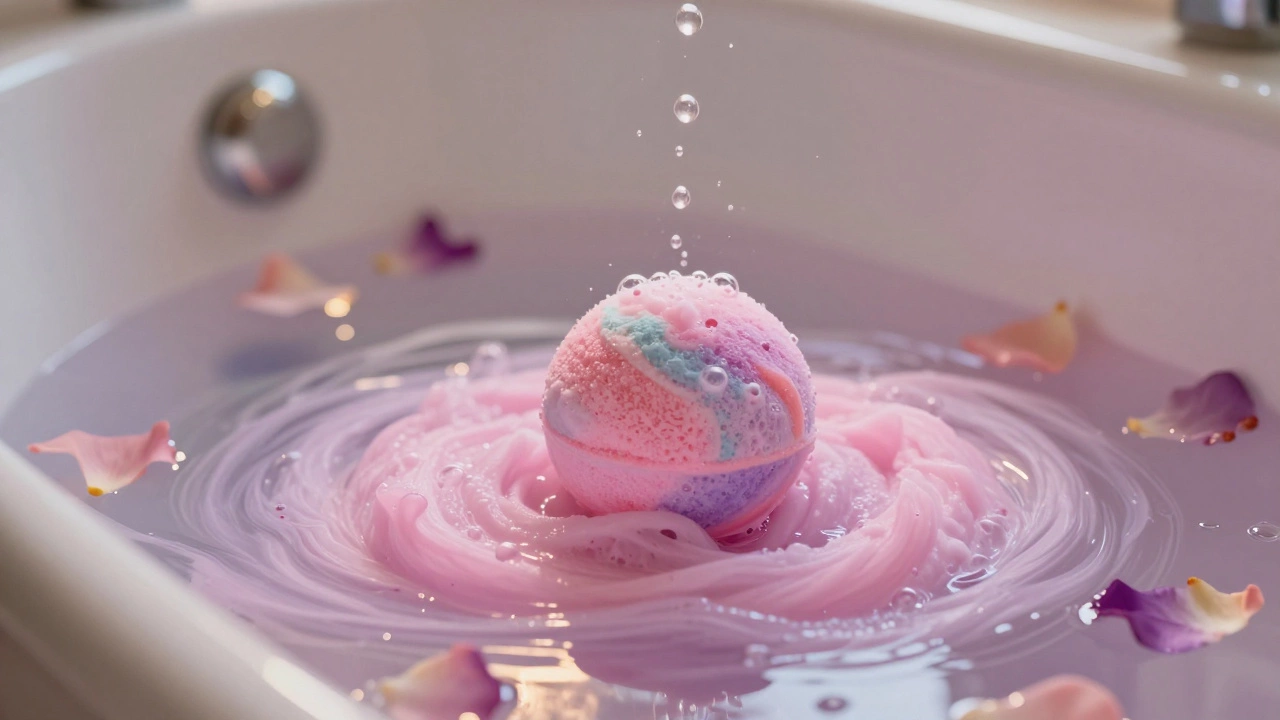
Bath Bomb Claims Checker
Check Your Bath Bomb Claims
Enter product claims to see if they classify your bath bomb as a cosmetic or drug product under FDA regulations.
Result:
Cosmetic Your bath bomb is classified as a cosmetic. The claims you entered only relate to aesthetic benefits.
Why: Claims like "softens skin" or "adds color" are permitted for cosmetics under FDA regulations.
Examples: "Moisturizes dry skin," "Soothes with lavender," "Colorful bath experience"
Warning:
Drug Product Your bath bomb is classified as a drug product due to medical claims.
Why: Claims like "treats eczema" or "reduces inflammation" cross into drug territory under FDA regulations.
Examples: "Treats psoriasis," "Cures cellulite," "Rebalances pH for skin health"
Warning: This could lead to FDA enforcement actions including product seizure and fines.
Ever popped a bath bomb into your tub and wondered if it’s really a cosmetic-or just a fancy bubble maker? You’re not alone. Bath bombs are everywhere: in gift baskets, Instagram feeds, and spa catalogs. But when it comes to the law, they’re not as simple as they look. The truth? It depends on what’s in them-and what the company says they do.
What the Law Actually Says
In the United States, the FDA defines cosmetics as products meant to cleanse, beautify, promote attractiveness, or alter the appearance without affecting body structure or function. That includes shampoo, lipstick, moisturizer, and yes-some bath bombs. But here’s the catch: if a bath bomb claims to treat or prevent disease, or change how your skin works, it crosses into drug territory. And that changes everything.
Take a bath bomb that says, ‘Relieves dry skin with shea butter and colloidal oatmeal.’ That’s a cosmetic. But if it says, ‘Treats eczema’ or ‘Reduces psoriasis flare-ups,’ it’s now a drug. The FDA doesn’t care how pretty the packaging is. They look at the words on the label.
Same goes for claims like ‘detoxifies your body’ or ‘rebalances your pH.’ Those aren’t just marketing fluff-they’re medical claims. And if you’re selling something that makes those claims, you’re legally required to prove it. Most small bath bomb makers can’t afford that kind of testing.
Why Most Bath Bombs Are Cosmetics (Technically)
The vast majority of bath bombs on the market are designed for sensory pleasure: color, scent, fizz, and a little skin softening. They don’t promise to heal anything. They’re meant to make your bath feel luxurious. That’s the textbook definition of a cosmetic.
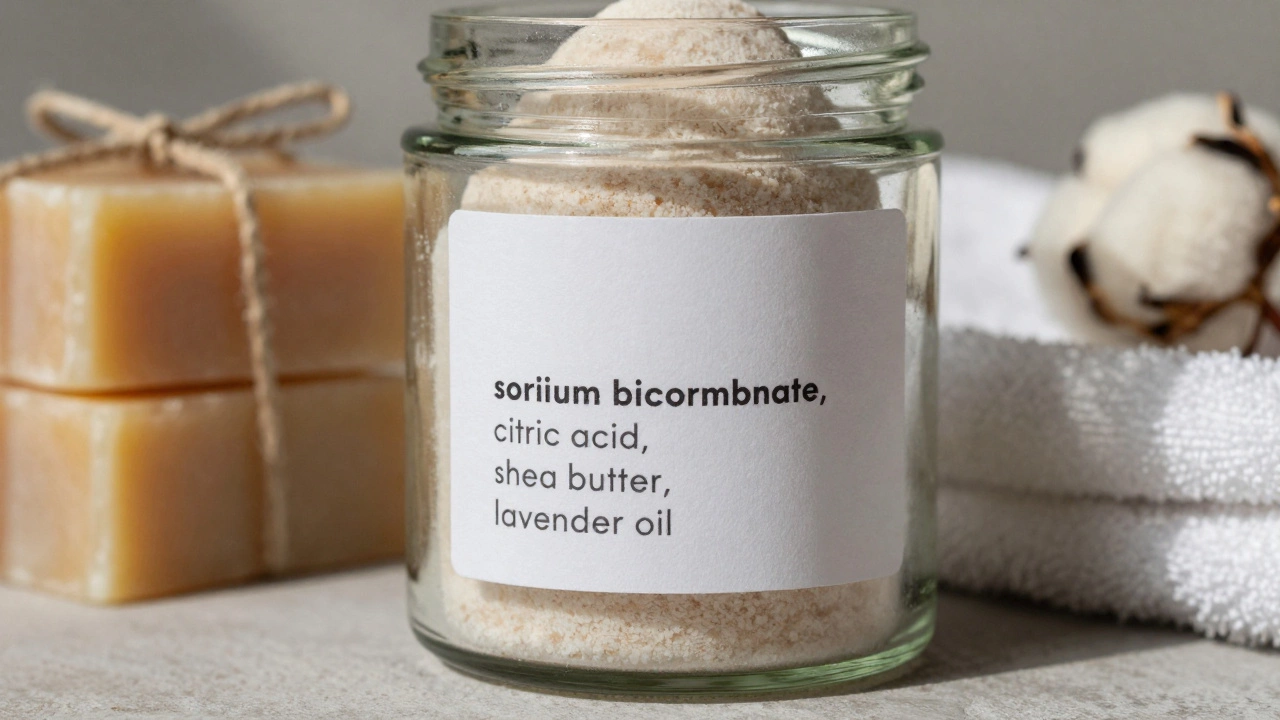
Look at the ingredients. Most bath bombs contain:
- Sodium bicarbonate (baking soda)
- Citric acid
- Essential oils or fragrance oils
- Shea butter, coconut oil, or other emollients
- Colorants (like mica or FD&C dyes)
None of these ingredients are approved drugs. They’re all common cosmetic ingredients. Even the oils that moisturize your skin? They’re acting as emollients-just like in a lotion. The fizz? That’s just chemistry. The color? That’s for fun.
So if your bath bomb smells like lavender and turns the water pink, it’s a cosmetic. Simple as that.
When Bath Bombs Cross the Line
But not all bath bombs play by the rules. Some brands push boundaries. You’ll see ones labeled:
- ‘Anti-inflammatory for sore muscles’
- ‘Cleanses toxins from your pores’
- ‘Balances hormones’
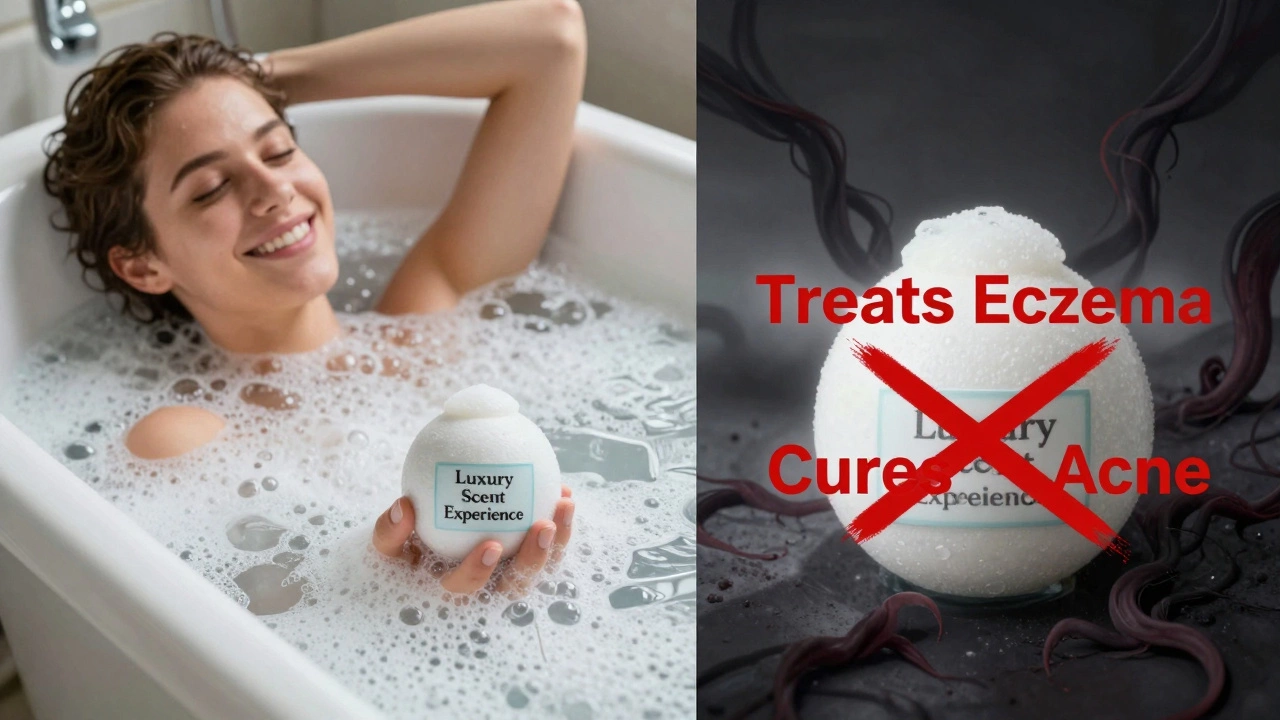
- ‘Cures acne’
These aren’t just misleading-they’re illegal. The FDA has sent warning letters to bath bomb companies making these claims. In 2023, one company in Oregon was forced to pull 12,000 units because their packaging said their product ‘reduces cellulite.’ That’s a drug claim. No amount of glitter or rose petals changes that.
Even phrases like ‘for sensitive skin’ can be risky if paired with ‘soothes irritation.’ That’s implying a therapeutic effect. The FDA doesn’t allow that unless you’ve gone through the full drug approval process-which costs hundreds of thousands of dollars and takes years.
What About in New Zealand and Other Countries?
Here in New Zealand, the rules are similar. The Ministry of Health classifies bath bombs as cosmetics under the Cosmetic Products Group Standards-unless they make therapeutic claims. That means if you’re selling them locally, you can’t say they treat anything. Same with Australia, the UK, and the EU.
But enforcement varies. Big retailers like Lush follow the rules strictly. They label their bath bombs as ‘bath products’ and avoid medical language. Smaller Etsy sellers? Not always. That’s why you’ll find products online that look like cosmetics but talk like medicine.
It’s a gray area. And it’s why some people get confused. They see a bath bomb with ‘calming’ in the name and assume it’s a treatment. It’s not. It’s a mood enhancer.
How to Tell If Your Bath Bomb Is Safe and Legal
Here’s a quick checklist to know if what you’re buying-or making-is okay:
- Does the label say ‘for external use only’? Good sign.
- Are there any claims about treating or preventing health conditions? If yes, avoid it.
- Is the ingredient list simple? Oils, salts, fragrances? That’s normal.
- Is there a list of allergens? Reputable brands include this.
- Is the brand registered with a health authority? In NZ, check the New Zealand Cosmetic Products Register.
If the product looks like a party favor and talks like a spa treatment-it’s probably fine. If it looks like a spa treatment and talks like a pharmacy-it’s not.
Why This Matters to You
Using a bath bomb that makes false claims isn’t just about legality. It’s about safety. Products labeled as ‘therapeutic’ might contain ingredients that aren’t safe for long-term skin contact. Some have been found to include unapproved preservatives, heavy metals, or banned dyes.
And if you’re making bath bombs at home and selling them? You’re legally responsible. The FDA and Medsafe (New Zealand’s health regulator) can shut you down, fine you, or seize your inventory if you mislabel your products.
Most people buy bath bombs for the experience-not the cure. And that’s perfectly fine. Just don’t let marketing fool you into thinking they’re doing more than they are.
The Bottom Line
Bath bombs are cosmetics-unless they claim to do more than make your skin feel soft or your bath smell nice. The line is thin, but it’s real. If you’re buying, stick to brands that keep it simple. If you’re making them, don’t write claims you can’t prove. And if you’re looking for real skin treatment? Use a product designed and tested for that purpose.
There’s nothing wrong with enjoying a fizzy, colorful bath. Just know what you’re really getting.