UK Dental Cost & Option Finder
Dental Treatment Estimator
1. Identify Your Treatment Need
2. Financial Eligibility
Walking into a dental clinic when your bank account is empty is terrifying. You know you need a fix-maybe a missing tooth is affecting your confidence or a cavity is turning into a throbbing ache-but the fear of a four-figure bill keeps you away. The reality is that dental costs in the UK have become a massive barrier for thousands of people. But you aren't stuck with the pain or the gaps in your smile. There are legitimate ways to get your teeth sorted without needing a windfall of cash.
Key Takeaways:
- The NHS provides a tiered pricing system that can significantly lower costs.
- Dental schools offer treatments at a fraction of private clinic prices.
- Payment plans and grants exist for those on low incomes.
- Preventative care is the cheapest way to avoid expensive emergencies.
Starting with the NHS: Your First Line of Defense
If you're struggling with money, the NHS is the National Health Service of the UK, providing healthcare that is free or subsidized at the point of use. While it's not entirely free for everyone, it is far cheaper than going private. Most people fall into one of three charging bands. Band 1 covers basic check-ups and scaling. Band 2 includes fillings and root canals. Band 3 is for more complex work like crowns.
If you are on a low income, you might be eligible for full help with costs. This is where the NHS Low Income Scheme comes in. If you're receiving certain benefits or earn below a specific threshold, you can apply for an HC2 certificate. This certificate basically acts as a golden ticket, making your dental treatments free or heavily discounted. Do not assume you don't qualify; the thresholds are often higher than people think.
The Secret to Cheap Care: Dental Schools
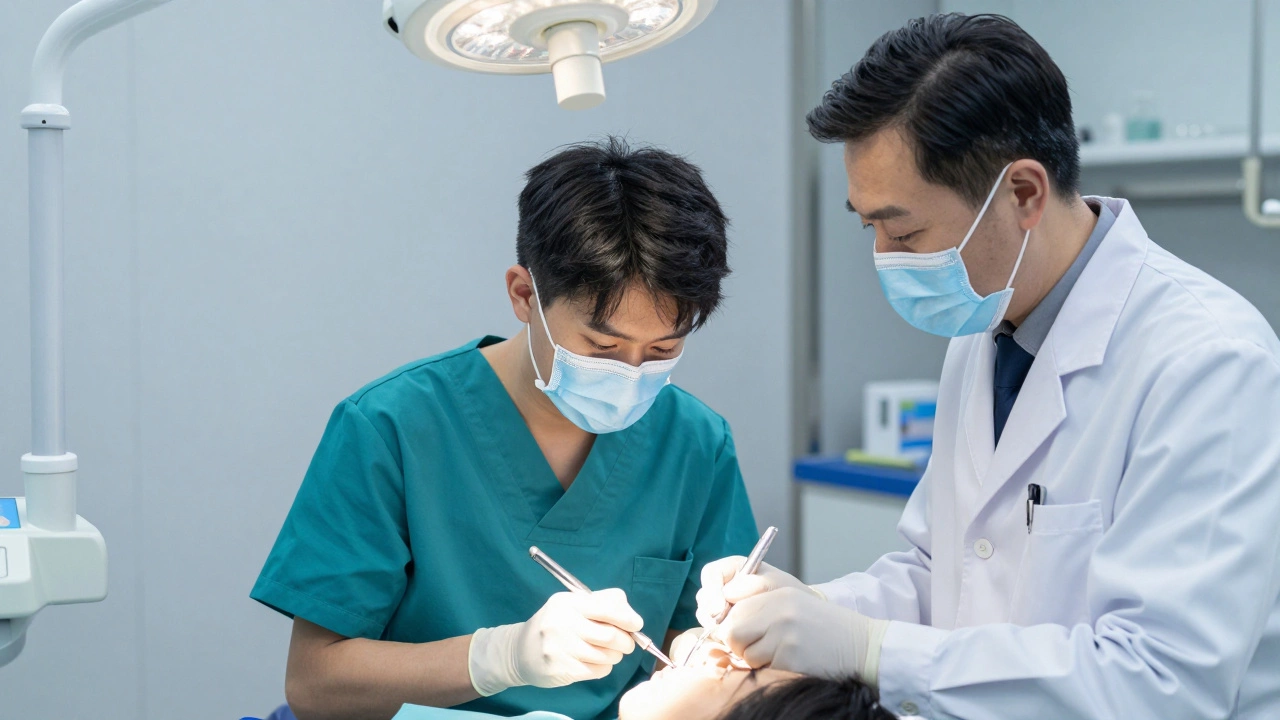
Want high-quality work but can't afford the private price tag? Look for a Dental School. These are university-affiliated clinics where students perform the work under the strict supervision of experienced professors. Because the students need the practice to graduate, they often offer treatments-including complex ones-for free or at a tiny fraction of the cost.
The trade-off is time. A filling that takes 30 minutes in a private clinic might take two hours at a dental school because the tutor has to check every single step. But if you have more time than money, this is a goldmine. You get modern equipment and the latest clinical techniques without the luxury price tag. Many people use this route for things like orthodontic work or bridge placements that would otherwise cost thousands.
Dealing with Missing Teeth: The Reality of Dental Implants UK
When it comes to replacing a missing tooth, dental implants uk are often the gold standard, but they are notoriously expensive. A Dental Implant is a surgical component that interfaces with the bone of the jaw to support a dental prosthesis. Because they involve surgery and high-end materials like titanium, the NHS rarely covers them unless they are medically necessary for a specific health condition.
If you can't afford an implant, don't panic. There are cheaper alternatives. A Partial Denture is a removable appliance that fills the gap. While not as permanent as an implant, it's a fraction of the cost and can be provided through the NHS. Another option is a Dental Bridge, which uses the neighboring teeth to hold a fake tooth in place. While still pricey, bridges are often more accessible than implants.
| Option | Approx. Cost | Longevity | NHS Availability |
|---|---|---|---|
| Denture | Low | Medium | High |
| Bridge | Medium | High | Medium |
| Implant | High | Very High | Very Low |
Finding Private Clinics with Payment Plans
Sometimes the NHS waitlist is too long, or you need a specific treatment they don't offer. In these cases, private clinics are your only bet. However, very few people pay for a full crown or implant in one lump sum. Most modern clinics offer Dental Finance. This could be a 0% interest plan over 12 months or a monthly payment schedule.
When shopping around, ask specifically about "in-house" payment plans. Some clinics are more flexible than others and may allow you to pay in installments without using a third-party loan company. Be wary of high-interest credit cards; they can turn a dental problem into a lifelong debt. Always ask for a written quote and a breakdown of costs before agreeing to any treatment plan.
Preventing the Next Big Bill
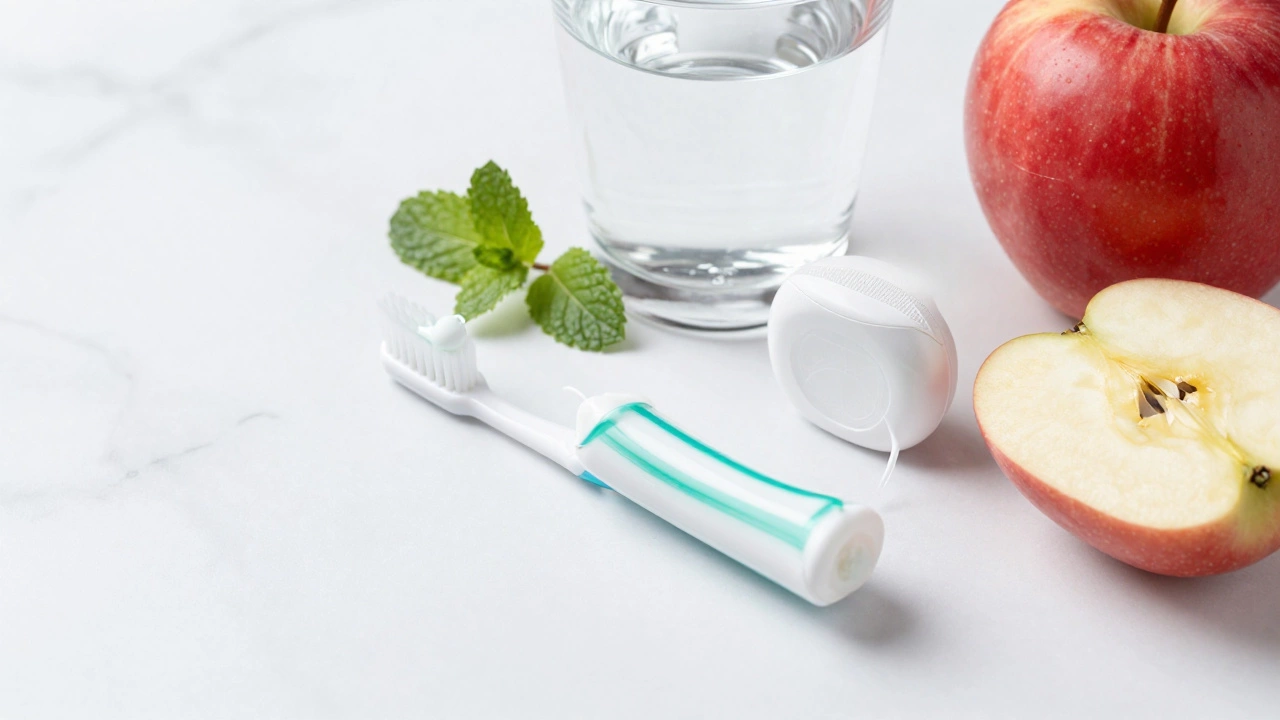
The cheapest dental work is the work you never need. If you're currently broke, your goal should be to stop things from getting worse. Gum disease and decay are progressive; a small cavity that costs £60 to fix today will become a root canal and crown costing £600 in two years. Focus on the basics: brush twice a day with Fluoride Toothpaste and floss every night.
Cut out the sugary drinks and snacks. It sounds like cliché advice, but sugar is the fuel for the bacteria that eat your teeth. If you can't afford a professional cleaning, using an interdental brush or a water flosser can help keep plaque under control. Small habits now prevent the financial disaster of an emergency room visit later.
Charity and Community Grants
In rare cases of extreme hardship or dental emergencies, there are charities that can help. While there isn't a single "national dental charity," local community grants or organizations like the Department for Work and Pensions (DWP) may provide small grants for essential health needs via the Local Welfare Provision. This varies by council, so you need to contact your local authority to see what funds are available for health-related emergencies.
Can I get free dental work if I'm unemployed?
Yes, if you are receiving certain benefits such as Universal Credit or Income Support, you may be eligible for free NHS dental treatment. You should apply for an HC2 certificate through the NHS Low Income Scheme to confirm your eligibility.
Are dental schools safe for major procedures?
Absolutely. While students perform the work, every step is monitored and signed off by qualified dental surgeons and professors. In many cases, the care is more meticulous than in private clinics because it's being graded for accuracy.
What is the cheapest way to replace a missing tooth?
A partial denture is typically the most affordable option. It is widely available on the NHS and costs significantly less than bridges or implants.
How do I find a dental school in the UK?
Search for universities that offer dental degrees (e.g., in London, Manchester, or Glasgow). Most have a "Patient Services" page on their website where you can register to be a patient for their student clinics.
What happens if I have a dental emergency but no money?
Call 111 to find the nearest emergency NHS dental hub. They can provide urgent treatment to stop pain or infection, and the cost is usually covered under the NHS Band 1 or 2 charges, or waived if you qualify for low-income support.
Next Steps for Different Situations
If you have a toothache right now: Call 111 or your local NHS dentist immediately. Pain usually means an infection, and waiting will only make the eventual fix more expensive. Don't ignore the signal.
If you want a cosmetic change (like implants): Start by researching dental schools. If that's not an option, look for clinics offering 0% finance. Be honest with the dentist about your budget; they can often suggest a "phased treatment plan" where you fix one tooth per year instead of everything at once.
If you are completely broke: Apply for the HC2 certificate today. It takes a bit of paperwork, but the financial relief for dental, optical, and prescription costs is massive.