Facial Aging Accelerator Calculator
Based on current dermatological research, this tool estimates the "Visual Age Gap"—how many years older you might appear due to modifiable lifestyle factors and genetic predisposition.
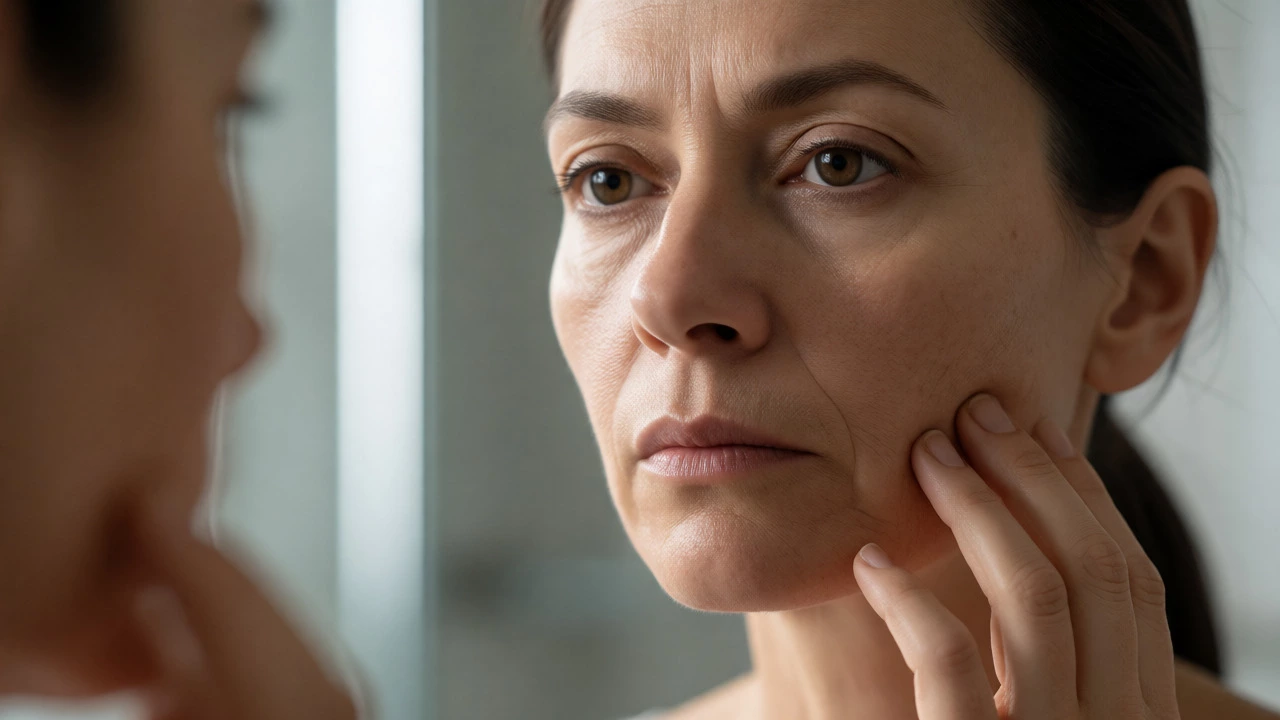
You look in the mirror and think, "Wait, is that me?" It’s not just about wrinkles. Sometimes, it’s a hollow cheek, a sagging jawline, or skin that looks tired rather than radiant. This disconnect between your birth year and your reflection is frustrating, but it’s rarely random. Facial aging is a complex biological process driven by both internal genetics and external habits. Understanding what specifically accelerates this process is the first step to slowing it down. We aren’t talking about stopping time-that’s impossible. We’re talking about identifying the specific triggers that make you look five or ten years older than you actually are.
The Structural Collapse Beneath the Skin
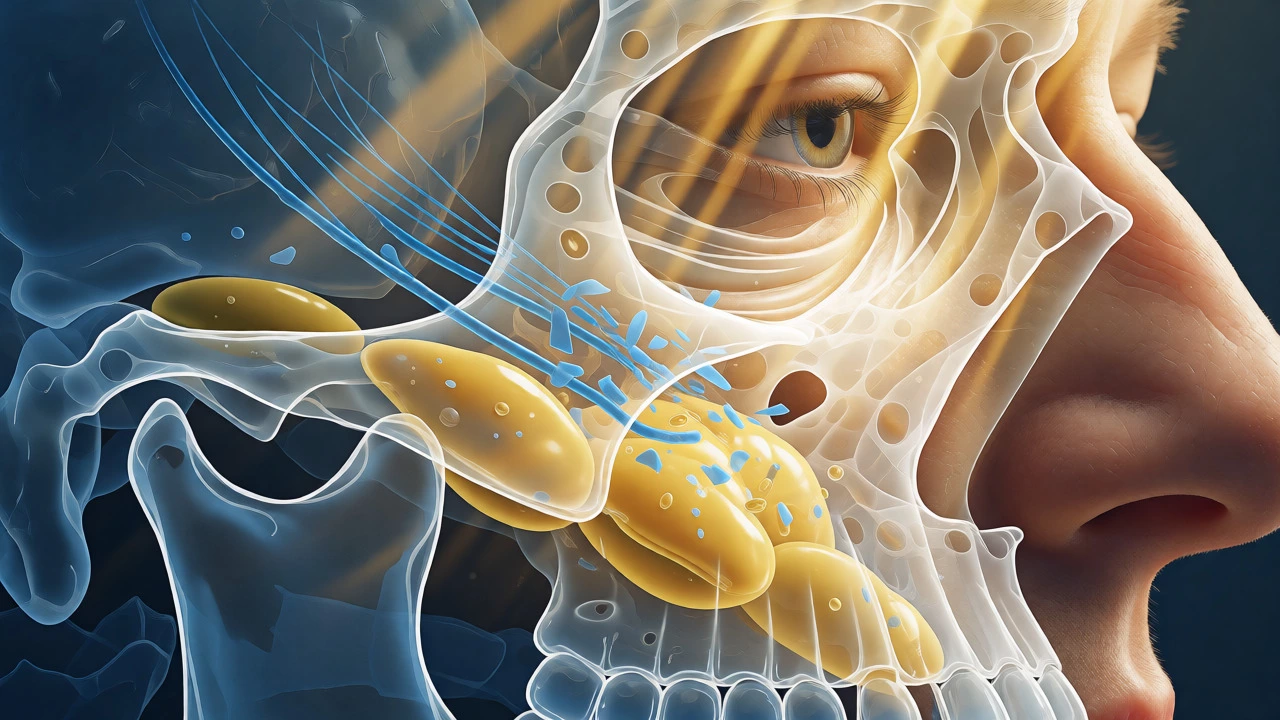
Most people focus on surface-level issues like fine lines. But the real culprit for looking "older" often lies deeper. Think of your face like a mattress. The springs are your bones and ligaments; the foam is your fat pads; and the fabric cover is your skin. As we age, those springs weaken, and the foam shifts downward. This structural collapse creates shadows and folds that read as age, even if the skin itself is smooth.
One major factor here is collagen loss. Collagen is the protein that gives skin its firmness and elasticity. After age 25, production drops by about 1% per year. By your 40s, this decline becomes visible. When collagen degrades, skin loses its ability to snap back. This leads to laxity around the eyes, mouth, and neck. It’s not just about texture; it’s about gravity taking over because the support system has failed.
Bone resorption plays a huge role too. Yes, your skull shrinks. Specifically, the orbital rim (around the eyes) and the mandible (jawbone) recede. When the bone structure supporting the soft tissue disappears, the tissue has nowhere to go but down. This causes the cheeks to flatten and the jowls to appear. No amount of moisturizer can fix bone loss. This is why some women with great skin still look aged-their foundation has changed.
Sun Damage: The Silent Accelerator
If there is one single thing that makes skin look older faster than anything else, it’s ultraviolet (UV) radiation. Dermatologists estimate that up to 80% of visible facial aging is caused by sun exposure, not genetics. This is known as photoaging. Unlike chronological aging, which happens evenly, photoaging is patchy and harsh. It breaks down elastin fibers, causing skin to become leathery, thick, and discolored.
Consider two identical twins. One stays indoors; the other works outdoors without protection. Within a decade, they will look like different generations. UV rays penetrate deep into the dermis, triggering enzymes called matrix metalloproteinases (MMPs) that chew up collagen and elastin. They also cause DNA mutations in skin cells, leading to uneven pigmentation. Dark spots, broken capillaries, and rough texture are classic signs of cumulative sun damage. If you skipped sunscreen in your 20s and 30s, you’re likely paying the bill now.
| Factor | Mechanism of Action | Visible Result |
|---|---|---|
| UV Exposure | Degrades collagen and elastin via MMP activation | Leathery texture, dark spots, deep wrinkles |
| Smoking | Reduces blood flow, increases free radicals | Grey pallor, smoker's lines around mouth |
| Sugar Intake | Glycation cross-links collagen fibers | Yellowing skin, stiffness, loss of glow |
| Sleep Deprivation | Increases cortisol, impairs repair cycles | Puffiness, dark circles, dull complexion |
The Glycation Effect from Diet
Your plate matters more than you think. High sugar and refined carbohydrate intake leads to a process called glycation. In simple terms, excess sugar molecules attach themselves to proteins, including collagen and elastin. This forms Advanced Glycation End-products (AGEs). AGEs make collagen stiff and brittle. Instead of being flexible and resilient, your skin becomes rigid and prone to cracking.
This isn’t just about weight gain. Even thin women who eat high-sugar diets can show signs of accelerated aging. The skin takes on a yellowish, sallow tone. It loses its plumpness because the structural integrity of the dermis is compromised. Reducing added sugars doesn’t just help your waistline; it preserves the springiness of your facial tissues. Think of it as preventing rust in your engine.
Lifestyle Habits That Carve Wrinkles
Repetitive movements etch lines into the skin. Squinting at screens, frowning at traffic, or sleeping on your side all contribute. While these seem minor, thousands of repetitions add up. Sleep position is particularly sneaky. Sleeping on your stomach or side presses your face into the pillow for hours every night. Over decades, this creates vertical creases on the cheeks and chin that don’t disappear when you wake up.
Smoking remains a top-tier aging accelerator. Nicotine constricts blood vessels, starving the skin of oxygen and nutrients. It also introduces massive amounts of free radicals that destroy healthy cells. Smokers often have a distinct greyish complexion and deep perpendicular lines around the lips. Quitting improves circulation within weeks, giving the skin a healthier flush, though reversing long-term damage requires targeted treatments.

How Professional Facial Treatments Counteract Aging
Since we can’t stop biology, we intervene. Modern facial treatments target the specific layers where aging occurs. Topical creams work on the epidermis, but professional procedures reach the dermis and subcutaneous fat.
- Injectables: Neuromodulators (like Botox) relax the muscles that cause dynamic wrinkles. Dermal fillers replace lost volume in the cheeks and lips, restoring the youthful contour.
- Energy-Based Devices: Lasers and radiofrequency devices heat the deeper skin layers. This thermal injury stimulates new collagen production, tightening loose skin and improving texture.
- Chemical Peels: These remove damaged outer layers, revealing fresher, more even-toned skin underneath. They are excellent for addressing sun spots and roughness.
- Ultrasound Therapy: Technologies like Ultherapy use focused ultrasound to lift and tighten the SMAS layer (the same layer surgeons manipulate during facelifts).
The key is customization. A treatment plan for someone with significant volume loss looks different from someone with severe sun damage. Consultation with a qualified practitioner ensures you address the root cause, not just the symptom.
Prevention Is Easier Than Correction
It sounds cliché, but daily habits yield the best long-term results. Sunscreen is non-negotiable. Use SPF 30 or higher every day, even when it’s cloudy. Antioxidant serums, such as Vitamin C, neutralize free radicals before they can damage cells. Hydration supports skin barrier function, making fine lines less noticeable.
Don’t underestimate stress management. Chronic stress elevates cortisol, which breaks down collagen and impairs healing. Practices like mindfulness, adequate sleep, and regular exercise improve blood flow, delivering oxygen and nutrients to skin cells. Exercise also helps maintain muscle tone in the face and neck, providing natural support against gravity.
Looking younger than your age isn’t about chasing perfection. It’s about maintaining structural integrity and protecting your skin from avoidable damage. By understanding the mechanics of facial aging-bone loss, collagen degradation, environmental assault-you can make smarter choices. Whether through lifestyle tweaks or professional interventions, you have more control over your appearance than you might realize.
Does drinking water really prevent wrinkles?
While hydration is essential for overall health and skin turgor, drinking excessive water won't erase existing wrinkles. However, chronic dehydration makes fine lines more prominent. Maintaining balanced hydration supports the skin's barrier function, helping it retain moisture and appear plumper.
At what age do most women start looking older?
Biological changes begin in the mid-20s, but visible signs often accelerate in the late 30s and early 40s due to hormonal shifts and accumulated sun damage. Menopause can further speed up collagen loss, leading to more rapid changes in skin thickness and elasticity.
Can facial exercises reverse sagging?
Evidence is mixed. Some studies suggest facial exercises may improve muscle tone and slight fullness, but they cannot correct significant skin laxity or volume loss caused by bone resorption. For substantial sagging, professional treatments like fillers or energy-based devices are more effective.
Is smoking worse for aging than sun exposure?
Both are major factors, but sun exposure affects a larger population and contributes to approximately 80% of visible aging. Smoking adds a distinct type of damage, including vascular constriction and specific perioral wrinkling. Combined, they have a synergistic effect, accelerating aging significantly more than either alone.
Do expensive creams make a difference?
Price does not always equal efficacy. Key ingredients like retinoids, vitamin C, and hyaluronic acid matter more than brand names. Prescription-strength retinoids are often more effective than over-the-counter alternatives, regardless of price point. Consistency in application is far more important than cost.