Salon Tip Calculator
Not sure how much to tip? This tool helps you calculate a fair gratuity based on your service type and satisfaction level, following standard US salon etiquette.
Your Suggested Gratuity
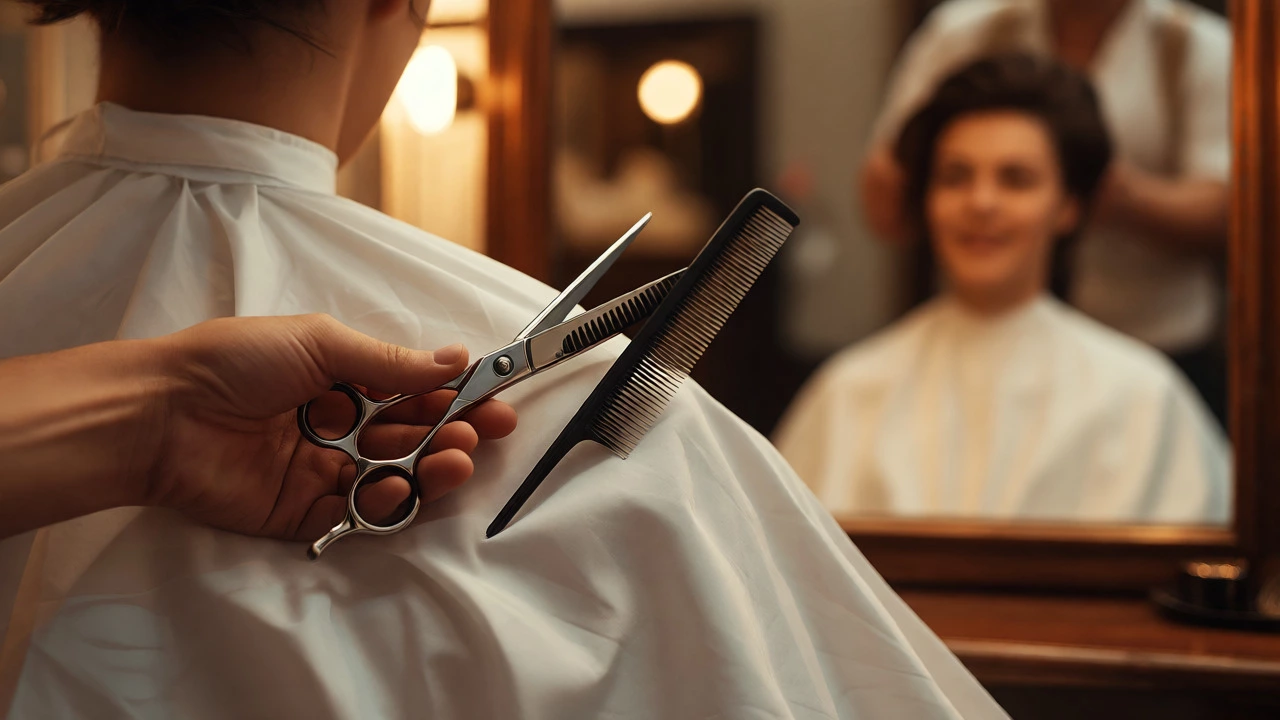
You just walked out of the salon, feeling fantastic about your new cut. The mirror reflection is perfect, but then the receipt hits you: "Suggested gratuity: 15-20%." Your stomach drops. Is this mandatory? Are you rude if you don't tip? And why does a $80 haircut suddenly feel like a $100 commitment?
If you've ever felt that awkward pause at the counter while fumbling for cash or debating whether to add a tip on the tablet screen, you're not alone. Tipping in the beauty industry is one of those social contracts that feels universally understood yet deeply confusing. Unlike restaurants, where the server brings you food they didn't cook, your hairdresser actually performed the labor. So why do we still tip them? And more importantly, how much is actually expected in 2026?
| Service | Standard Tip % | Who Gets It | Notes |
|---|---|---|---|
| Haircut & Style | 15-20% | Stylist | Based on total bill |
| Color/Treatment | 15-20% | Stylist + Assistant | Split if assistant helps |
| Nails | 15-20% | Tech | Cash preferred |
| Shampoo/Blowout | $3-$5 flat | Assistant | Not always tipped separately |
The Economics Behind the Scissors
Here’s the hard truth most salons won’t put on their menu: many stylists are independent contractors. They don’t get health insurance, paid time off, or retirement contributions from the salon owner. Instead, they rent a chair or split revenue with the business. If you tip $10 on a $50 cut, that money goes directly into the stylist’s pocket, not the salon’s overhead account.
This structure changes everything. When you tip, you aren’t just rewarding good service; you’re supplementing a base income that might be surprisingly low after expenses. Stylists buy their own scissors, combs, and often even their shampoos. A $20 tip isn’t extra gravy-it’s part of their livelihood. Ignoring this economic reality can make tipping feel less like a bonus and more like a necessary component of fair pay.
It’s Not Just About the Cut
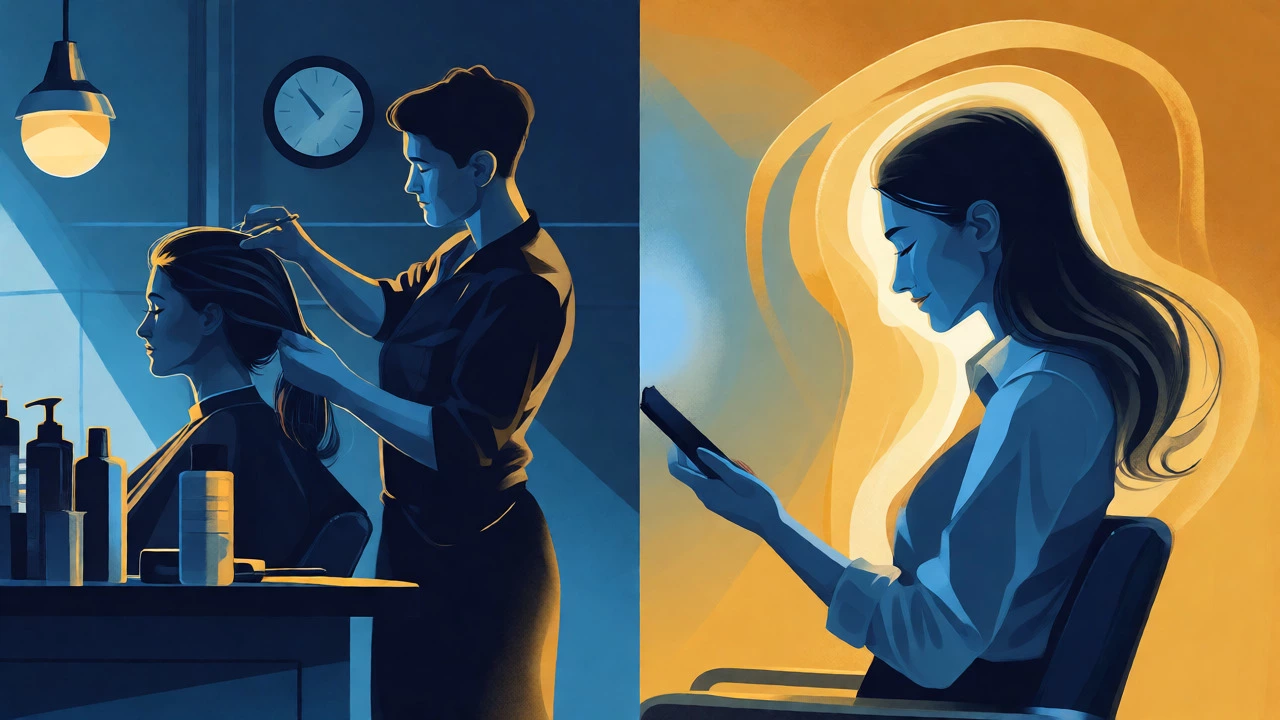
Think about what happens during a two-hour color appointment. You sit in a chair, yes, but your stylist is managing chemical processes, timing rinses, mixing formulas, and dealing with unexpected hair reactions. Meanwhile, an assistant might be shampooing your head three times, applying toner, or cleaning up stray hairs. That assistant? Often earns minimum wage or less per hour. If you only tip the main stylist, you’re effectively ignoring the labor of the person who kept you comfortable and clean throughout the process.
This team dynamic is unique to high-end salons. In a quick-cut shop, there’s no assistant. But in full-service environments, multiple people touch your hair. Failing to acknowledge the support staff creates resentment. Have you ever noticed a stylist rushing through the final rinse because they know the next client is waiting? That pressure comes from knowing every minute costs them potential earnings. Tips help ease that financial anxiety.
The Cultural Shift in Tipping
Tipping norms have exploded beyond restaurants since 2020. We now see prompts for tips on coffee kiosks, self-checkout machines, and even dog walkers. This "tipflation" has made many customers skeptical. Why should I tip for a pre-packaged candy bar? But hair services remain different. They involve skill, artistry, and physical endurance.
A stylist stands for eight hours straight. Their hands cramp. Their backs ache. They deal with difficult clients, bad days, and the emotional labor of listening to strangers’ life stories. While you don’t owe therapy fees, acknowledging this human effort through a tip reinforces a positive relationship. It signals respect for their craft and their time.

How Much Should You Actually Tip?
Let’s clear up the math. In the United States, the standard range remains 15% to 20% of the pre-tax total. If your bill is $100, a $15 tip is acceptable for good service. A $20 tip indicates exceptional service or loyalty. Going below 15% usually signals dissatisfaction. If you’re unhappy with the result, it’s better to speak up before leaving than to silently under-tip.
What about owners? Historically, you didn’t tip the salon owner. However, modern etiquette suggests that if the owner performs the service themselves, tipping them is increasingly common, especially if they also manage the business. Many owners now accept tips graciously, viewing them as appreciation rather than entitlement. Check local customs-some regions strictly forbid tipping owners, while others encourage it.
When Not to Tip (Or Tip Less)
There are exceptions. If you had a terrible experience-burnt hair, wrong color, rude attitude-you shouldn’t feel pressured to leave a generous tip. A 10% tip acknowledges the work done without endorsing the quality. Or, skip the tip entirely and ask for a correction appointment instead.
Also, consider package deals. Some salons offer monthly subscriptions for blowouts. Since these are prepaid, tipping expectations vary. Usually, a small cash tip ($5-$10) to the stylist performing the service is appreciated, even if the subscription covers the base cost. Always ask discreetly if unsure. Most stylists will tell you exactly what they prefer.
Cash vs. Card: Does It Matter?
Yes, it does. Cash tips go directly to the stylist immediately. Credit card tips often pass through the salon’s payroll system, which may delay payment until the end of the week or month. Worse, some salons deduct processing fees from card tips. If you want your stylist to walk away with the full amount right now, hand over cash. Keep a few small bills in your wallet specifically for this purpose. It’s a simple gesture that shows thoughtfulness.
Building a Relationship Through Generosity
Tipping isn’t just transactional; it’s relational. Regular clients who consistently tip well often get priority booking slots, last-minute cancellations filled for them, or extra attention during busy periods. Stylists remember those who value their work. During holidays, many clients double their usual tip or give a gift card equivalent to one service. This strengthens the bond and ensures you remain a favorite client.
Conversely, chronic under-tippers sometimes find themselves squeezed into less convenient appointment times. It’s not malicious-it’s practical. Stylists prioritize clients who respect their time and income. If you plan to stay with a stylist long-term, view tipping as an investment in consistent, high-quality care.
Do I tip on tax?
No, you calculate the tip based on the pre-tax subtotal. Tipping on tax means you’re giving money to the government twice, which is unnecessary.
Should I tip the salon owner?
Traditionally, no. However, modern etiquette is shifting. If the owner cuts your hair personally, a tip is becoming more acceptable and appreciated, though not always required. Observe local norms or ask politely.
What if I’m unhappy with my haircut?
Communicate immediately. Don’t just leave a small tip in silence. Ask for a fix or adjustment. If they refuse or fail to correct it, a reduced tip (10%) or no tip is appropriate. Feedback helps them improve.
Is tipping mandatory?
Legally, no. Socially, yes. In the US, failing to tip is seen as a strong statement of dissatisfaction. Unless the service was objectively poor, skipping the tip is considered rude.
How do I tip assistants?
If an assistant shampooed, applied treatments, or helped significantly, give them $5-$10 in cash separately. Do not assume the stylist shares the tip with them automatically.