Salon Cost Breakdown Calculator
Walk into any mid-range salon in Auckland and you'll likely see a price tag of $80 to $150 for a standard women's cut. For many clients, this feels steep compared to the few minutes it takes to wash and dry your hair at home. But behind that number lies a complex web of labor, overheads, and market dynamics that explain why women's haircut prices remain high in 2026.
The core reason isn't just "hair." It's the combination of skilled labor, product costs, and the physical space required to deliver a consistent result. Unlike a simple retail purchase, a haircut is a service product where the value is created in real-time by a professional. This article breaks down exactly where your money goes, why women's cuts cost more than men's, and how to navigate these costs without sacrificing quality.
The Labor Factor: Skill and Time
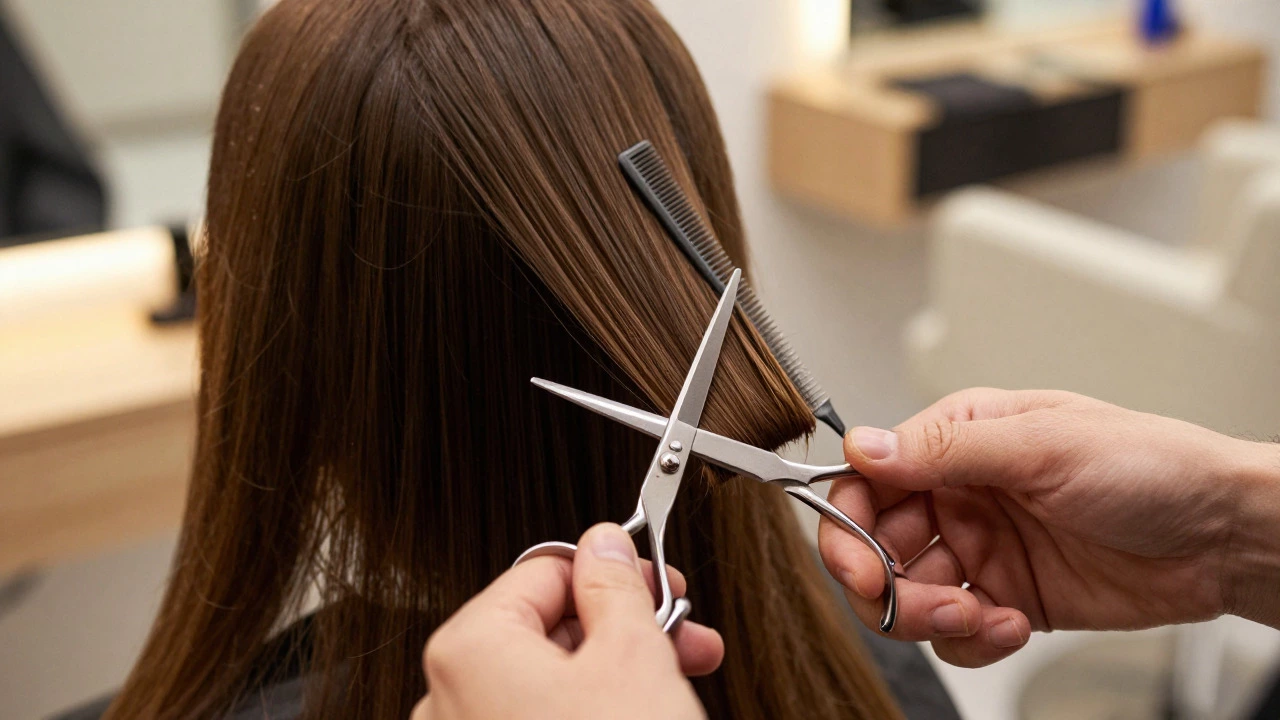
The most significant component of any salon bill is the stylist's wage. In New Zealand, hairdressers are considered skilled tradespeople. They undergo years of training, often starting with an apprenticeship or a full diploma from institutions like Auckland University of Technology or private academies. Once qualified, they continue their education through brand-specific training programs.
Here’s the math: A senior stylist in Auckland might charge $100 per hour. If a full-service cut takes 90 minutes, that’s $150 in raw labor time before any other costs are covered. However, salons don’t pay stylists a flat hourly rate; they typically operate on a commission basis. The stylist keeps 40% to 50% of the ticket price, while the salon retains the rest to cover overheads. This means if you pay $120 for a cut, roughly $60 goes to the stylist’s pocket, and $60 stays with the business to keep the lights on.
Women’s haircuts require more technical precision than men’s. While a men’s fade might take 30-45 minutes, a women’s layered cut involves assessing face shape, hair density, and growth patterns. This complexity demands a higher skill level, which commands a higher price point. You’re not just paying for scissors; you’re paying for pattern recognition and aesthetic judgment.
Overhead Costs: The Hidden Price Tag
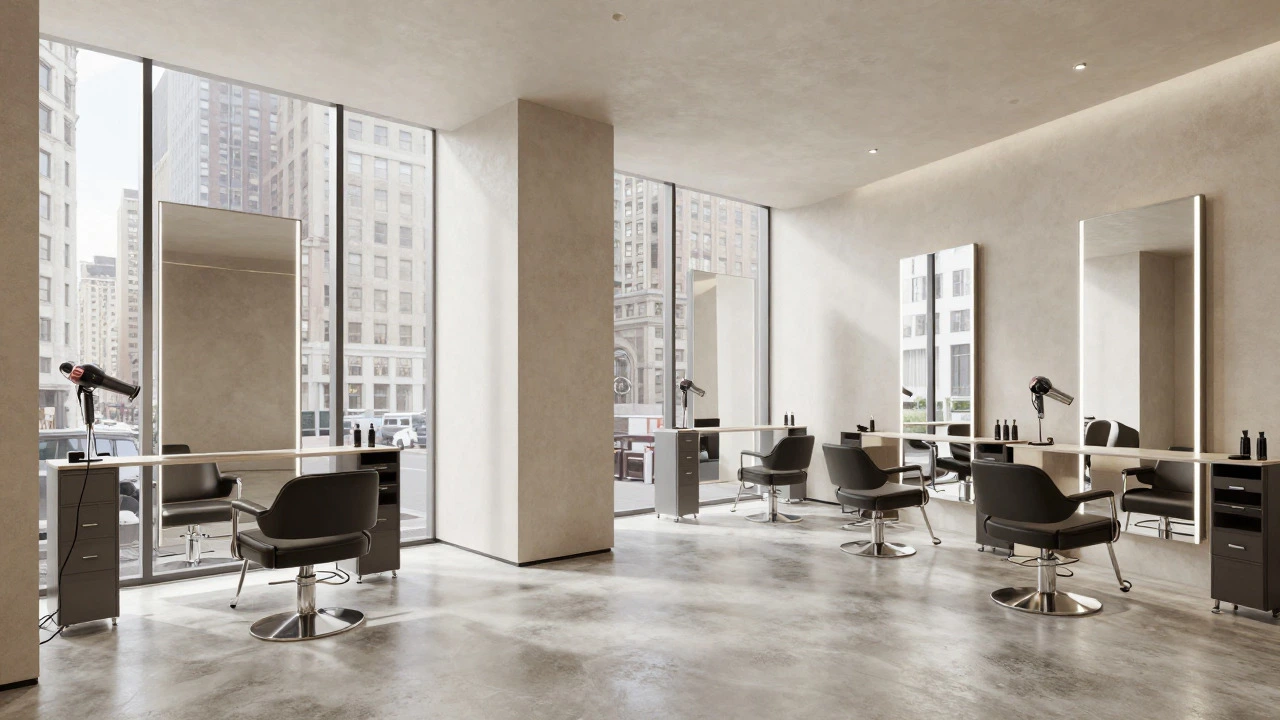
If labor is the visible cost, overheads are the invisible engine driving prices up. A salon isn’t just a chair and a mirror. It’s a commercial property with significant fixed costs.
- Rent: In central Auckland, commercial rent can exceed $10 per square meter per day. A 50-square-meter salon pays over $500 daily just for the space, regardless of whether customers walk in.
- Utilities: Hair washing stations use massive amounts of hot water. Electricity for dryers, steamers, and lighting adds hundreds of dollars monthly.
- Supplies: Towels, foils, caps, and disposables add up. A single client visit might consume $5-$10 worth of consumables.
- Insurance: Professional liability insurance is mandatory to protect both the stylist and the client against mishaps.
These costs are spread across every appointment. If a salon has only two chairs and three clients a day, each client bears a heavier share of the rent and utilities than if the salon were fully booked. This is why busy salons can sometimes offer competitive rates-they have the volume to dilute fixed costs.
Product Quality and Brand Positioning
The products used in the salon also influence pricing. High-end brands like Kérastase, Olaplex, or Redken carry premium price tags. These aren’t just marketing gimmicks; they contain specific chemical formulations designed to bond repair, enhance shine, or manage frizz effectively.
When you buy a shampoo at a supermarket, it’s formulated for mass appeal and shelf stability. Salon-grade products are concentrated and tailored for professional use. If your stylist uses a $40 bottle of treatment product during your color service, a portion of that cost is passed on to you. This is why color services are significantly more expensive than cuts-the product usage is much higher.
| Cost Component | Estimated Percentage of Ticket | Description |
|---|---|---|
| Stylist Commission | 40% - 50% | Paid directly to the hairdresser based on service tier |
| Rent & Utilities | 20% - 25% | Coverage for commercial space, water, and electricity |
| Products & Consumables | 10% - 15% | Shampoo, conditioner, towels, foils, and treatments |
| Marketing & Admin | 5% - 10% | Social media management, booking software, accounting |
| Profit Margin | 5% - 10% | Net profit for the salon owner |
Why Women's Cuts Cost More Than Men's
You’ve probably noticed that a men’s trim is half the price of a women’s cut. This isn’t sexism; it’s economics driven by time and complexity.
- Duration: A men’s cut averages 30-45 minutes. A women’s cut averages 60-90 minutes. Double the time equals double the labor cost.
- Technique: Men’s cuts often rely on clippers and guard settings, which are faster and more standardized. Women’s cuts involve freehand scissor work, texturizing, and blending layers, requiring finer motor skills and artistic input.
- Consultation: Women’s appointments usually include a detailed consultation about styling habits, product preferences, and future growth plans. This adds time but ensures better long-term results.
In essence, you are paying for the difference in hours worked. If a stylist charges $100/hour, a 45-minute men’s cut is theoretically $75, while a 90-minute women’s cut is $150. Adjusting for efficiency and overheads, the final price reflects this ratio.
Navigating Prices: Tips for Smart Spending
Understanding the cost structure helps you make informed decisions. Here are practical ways to manage your salon budget without compromising quality.
- Book Off-Peak Hours: Many salons offer discounts for Tuesday or Wednesday appointments when traffic is lower. You get the same stylist and quality for less money.
- Consider Junior Stylists: Junior hairdressers charge 30-50% less than seniors. Their skills are solid, especially for basic cuts and colors. It’s a great way to save while still getting professional care.
- Maintain Your Hair at Home: Investing in good home-care products extends the life of your salon treatment. Using a heat protectant or a clarifying shampoo between visits reduces the need for frequent deep-conditioning treatments at the salon.
- Ask About Packages: Some salons offer loyalty cards or packages (e.g., 5 cuts for the price of 4). This locks in a lower average cost per visit.
- Be Clear About Needs: If you just want a tidy-up, say so. Avoid upsells for treatments you don’t need. A good stylist will advise you honestly, but it’s always up to you to decide what’s essential.
The Future of Salon Pricing
As we move through 2026, several trends are shaping salon costs. Labor shortages in the beauty industry are pushing wages up, which inevitably increases service prices. At the same time, technology is playing a role. AI-assisted cutting guides and virtual consultations are streamlining some processes, potentially reducing the time needed for certain services.
However, the human element remains irreplaceable. Clients value the personal touch, the advice, and the experience as much as the cut itself. As long as people view hair as a form of self-expression and social currency, the demand for skilled professionals will keep prices elevated. The key is to understand that you’re buying expertise, not just a service.
Is it worth paying for a senior stylist?
If you have complex hair issues, such as severe damage, unusual texture, or a specific style goal, yes. Senior stylists have refined their techniques over years and can anticipate problems before they happen. For simple trims, a junior stylist is often sufficient and more affordable.
How often should I get a professional haircut?
For most styles, every 8-12 weeks is ideal. Short styles may need touching up every 4-6 weeks to maintain shape. Long styles can go longer, but regular trims prevent split ends from traveling up the hair shaft.
Do salon shampoos really make a difference?
Yes, because they are formulated for professional use. They are often stronger, more targeted, and lack fillers found in retail products. Using them at home can help maintain the health and appearance of your hair between salon visits.
What is the average cost of a haircut in Auckland in 2026?
Standard women’s cuts range from $80 to $150 depending on the salon’s location and the stylist’s seniority. Men’s cuts typically range from $40 to $80. Color services start around $150 and can go significantly higher for balayage or highlights.
Should I tip my hairdresser in New Zealand?
Tipping is not mandatory in New Zealand, unlike in the US. However, if you receive exceptional service, a 10-15% tip is appreciated. Many salons now have digital tipping options built into their booking systems.