Find Your Perfect Makeup Match
Not sure which brand is right for you? Answer these three quick questions to get personalized recommendations based on the article's insights.
Your Personalized Brand List
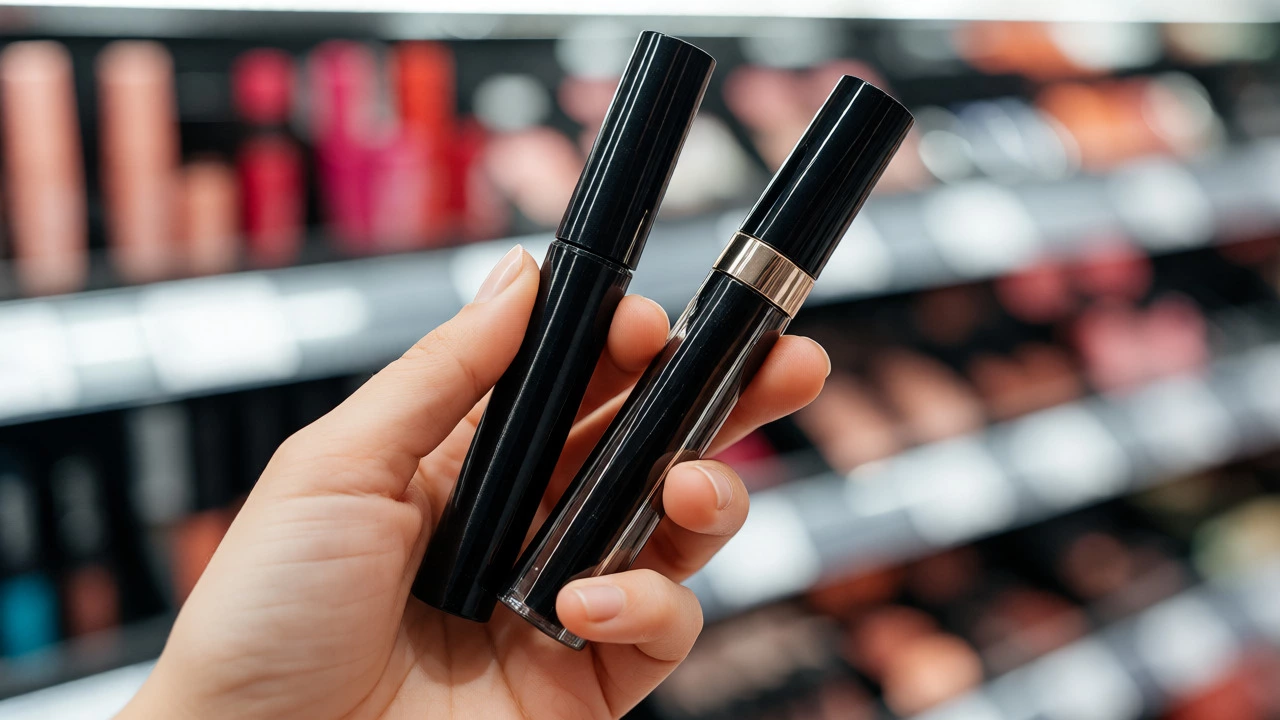
You’re standing in the aisle, holding two identical-looking tubes of mascara. One costs $15. The other is $45. Your gut says the expensive one must be better, right? But your friend swears by the cheap stuff, and her lashes look just as good as yours after a full day. So, whose makeup is best? It’s not about who has the fanciest logo or the most expensive packaging. It’s about what works for your skin, your budget, and your daily routine.
Here’s the truth: there is no single "best" brand in the entire world. If there were, everyone would use it. Instead, the best makeup depends entirely on what you need it to do. Are you looking for long-lasting coverage for a hot Auckland summer? Do you have sensitive skin that reacts to fragrance? Or are you trying to build a professional kit without breaking the bank?
The Big Divide: Drugstore vs. High-End
Let’s tackle the elephant in the room first. Does spending more money mean getting better quality? Not always. In fact, some of the biggest cosmetic giants own both the affordable lines and the luxury ones. For example, L’Oréal Group owns Maybelline (drugstore) and Lancôme (high-end). They often share the same research labs and even similar formulas.
So why pay more? Usually, you’re paying for the packaging, the scent, the marketing, and sometimes, slightly higher concentrations of active ingredients or finer pigments. But for many basic products-like a standard black eyeliner or a clear lip gloss-the difference is negligible.
Think of it this way: if you’re buying a foundation that needs to last 12 hours under harsh lighting, a high-end formula might offer superior longevity and finish. But if you just want a tinted moisturizer for a quick grocery run, a drugstore option will do the job perfectly well.
| Feature | Drugstore / Mass Market | High-End / Luxury |
|---|---|---|
| Average Price Point | $10 - $30 USD | $40 - $80+ USD |
| Availability | Supermarkets, Pharmacies, Online | Department Stores, Boutiques, Online |
| Packaging Quality | Functional, Plastic-heavy | Aesthetic, Glass/Metal options |
| Shade Range | Improving, but often limited | Extensive, often 40+ shades |
| Best For | Daily wear, beginners, trends | Special occasions, specific skin needs |
Key Players You Need to Know
To figure out whose makeup is best for you, you need to know who is actually making the products. The market is dominated by a few massive conglomerates, but there are also independent brands shaking things up.
L’Oréal isn’t just one brand; it’s a giant umbrella. If you buy Maybelline, NYX Professional Makeup, or Garnier, you’re supporting the same parent company. This means they have massive R&D budgets. When they release a new waterproof technology, it often trickles down to their cheaper brands quickly. If you want reliable, tested products at a low price, this group is hard to beat.
If you’re willing to spend more, Estée Lauder’s portfolio offers distinct advantages. MAC Cosmetics, for instance, is beloved by professionals for its pigment density and shade variety. Clinique is famous for being allergy-tested and fragrance-free, making it a go-to for sensitive skin. Here, you aren’t just buying color; you’re often buying specific skin benefits embedded in the makeup.
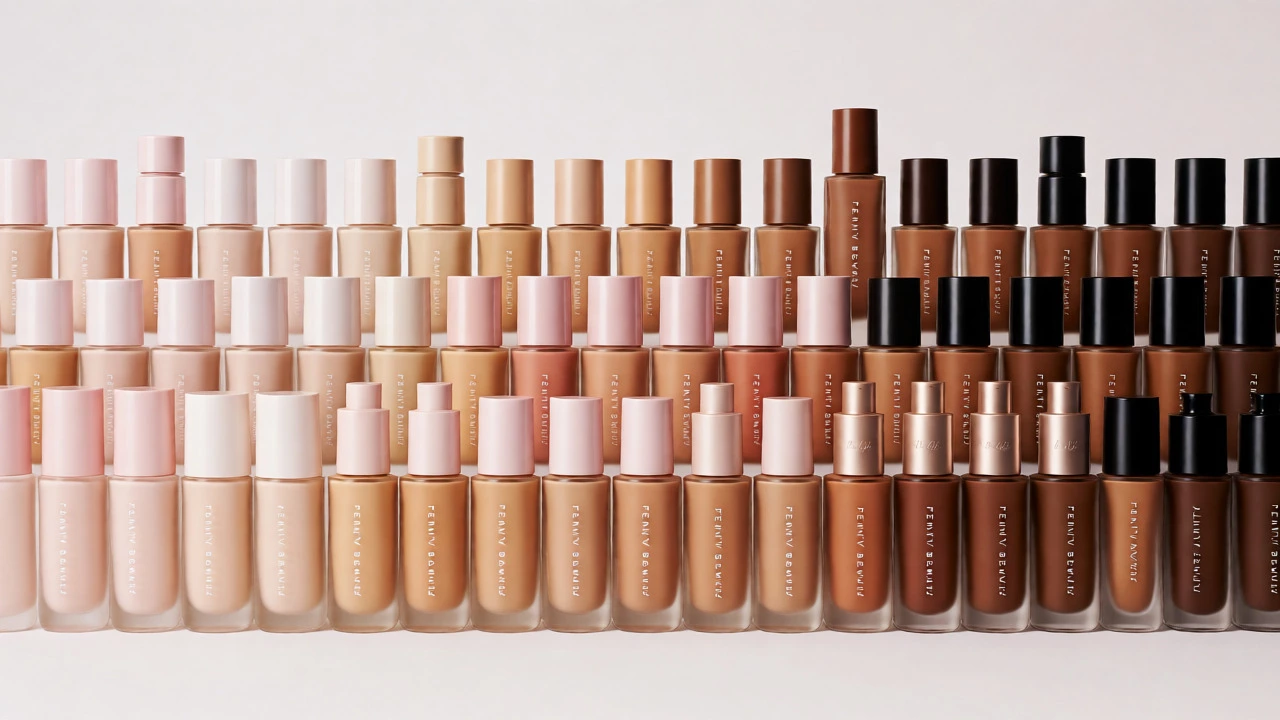
Fenty disrupted the market by proving that inclusivity sells. Before Fenty, many brands only offered 10-15 foundation shades, leaving out deep skin tones and very fair complexions. Now, almost every major brand feels pressured to expand their ranges. If matching your exact skin tone is your priority, Fenty remains a top contender, though newer indie brands are catching up fast.
Matching the Brand to Your Skin Type
Your skin type dictates which brand will feel comfortable on your face. Using a matte foundation designed for oily skin when you have dry skin will result in flakiness, no matter how expensive it is.
- Oily Skin: Look for brands that specialize in oil-control and long-wear. Maybelline Fit Me Matte + Poreless is a cult favorite because it controls shine without clogging pores. For high-end, Estée Lauder Double Wear is legendary for staying put through humidity and sweat.
- Dry Skin: You need hydration. Avoid heavy powders. Charlotte Tilbury makes foundations infused with skincare ingredients like hyaluronic acid. NARS also offers dewy finishes that don’t settle into fine lines.
- Sensitive Skin: Fragrance is the enemy. Clinique and BareMinerals are safe bets. BareMinerals uses simple mineral ingredients like zinc oxide and titanium dioxide, which are less likely to cause irritation.
- Acne-Prone Skin: Non-comedogenic formulas are essential. Neutrogena has a dedicated skin-clearing makeup line. Also, consider Glossier, which markets itself on a "skin-first" approach, using lighter textures that let skin breathe.
Ethics and Ingredients: Who Is Truly "Clean"?
Increasingly, people aren’t just asking "does it work?" but "what’s in it?" and "how was it made?" This is where brand reputation matters beyond performance.
Many mainstream brands still test on animals where required by law (such as in mainland China, though regulations are shifting). If animal welfare is non-negotiable for you, stick to certified cruelty-free brands. Tarte Cosmetics and Too Faced are popular choices that balance ethics with performance. Note that "cruelty-free" does not automatically mean "vegan." Vegan products contain no animal-derived ingredients like beeswax or carmine.
Then there’s the clean beauty movement. Brands like RMS Beauty and Ilia focus on organic, non-toxic ingredients. They avoid parabens, sulfates, and synthetic fragrances. However, "clean" is an unregulated term. Just because a product is natural doesn’t mean it lasts longer or performs better. Sometimes, you trade longevity for purity.
How to Test Without Buying Everything
You don’t need to buy ten foundations to find the right one. Here is a practical strategy to narrow down the field.
- Define your problem: What is your biggest makeup frustration? Is it fading? Cakey texture? Lack of shade match? Write it down.
- Read ingredient lists: If you have sensitive skin, scan for alcohol denat or strong fragrances in the top five ingredients. Avoid them.
- Use samples wisely: Don’t just swipe on your hand. Apply the product to your jawline and wear it for 6-8 hours. See how it looks at the end of the day, not just in the store mirror.
- Check return policies: Many online retailers now offer "try before you buy" or generous return windows. Take advantage of this to test multiple brands risk-free.
Remember, the best makeup is the one you’ll actually wear. A $60 lipstick that sits in your drawer because the color is too bold is worse than a $10 lipstick you reach for every morning.
Final Verdict: Who Wins?
So, whose makeup is best? If you want reliability and affordability, L’Oréal Group (Maybelline, L’Oréal Paris) wins. If you want professional-grade pigment and wide shade ranges, MAC or Fenty Beauty take the crown. If you have sensitive skin and want peace of mind, Clinique or BareMinerals are the safest bets. And if you prioritize ethical sourcing and clean ingredients, look toward Tarte or Ilia.
Stop chasing the "perfect" brand. Start building a kit that solves your specific problems. Mix and match. Use a drugstore mascara with a high-end foundation. That’s the secret nobody tells you: the best makeup routine is a hybrid one.
Is expensive makeup really better than drugstore makeup?
Not necessarily. While high-end brands often offer better packaging, unique scents, and sometimes finer pigments, many drugstore brands use similar base ingredients and technologies. For basics like mascara, eyeliner, and clear gloss, drugstore options are often indistinguishable from luxury ones. Expensive makeup may perform better for complex tasks like long-wear foundation or highly pigmented eyeshadows, but it is rarely worth the extra cost for every product category.
Which makeup brand is best for sensitive skin?
Clinique and BareMinerals are widely recommended for sensitive skin. Clinique products are allergy-tested and 100% fragrance-free, reducing the risk of irritation. BareMinerals uses simple mineral ingredients like zinc oxide and titanium dioxide, which are generally well-tolerated. Always patch-test new products regardless of the brand claim.
What is the most inclusive makeup brand?
Fenty Beauty is credited with setting a new standard for inclusivity by launching with 40 foundation shades, catering to a vast spectrum of skin tones. Since then, brands like Rare Beauty, Pat McGrath Labs, and MAC have significantly expanded their shade ranges. However, Fenty remains a benchmark for depth of range across all skin tones.
Are cruelty-free brands effective?
Yes, cruelty-free brands are just as effective as those that test on animals. Cruelty-free status relates to testing methods, not ingredient efficacy. Major conglomerates like L’Oréal and Estée Lauder have invested heavily in alternative testing methods, meaning their cruelty-free sub-brands (like NYX or Bumble and bumble) perform on par with their non-cruelty-free counterparts.
How do I choose between matte and dewy foundation?
Choose based on your skin type and desired finish. Matte foundations control oil and minimize shine, making them ideal for oily or combination skin. Dewy foundations add glow and hydration, suiting dry or mature skin. If you are unsure, try a satin finish, which offers a balanced, natural look suitable for most skin types.