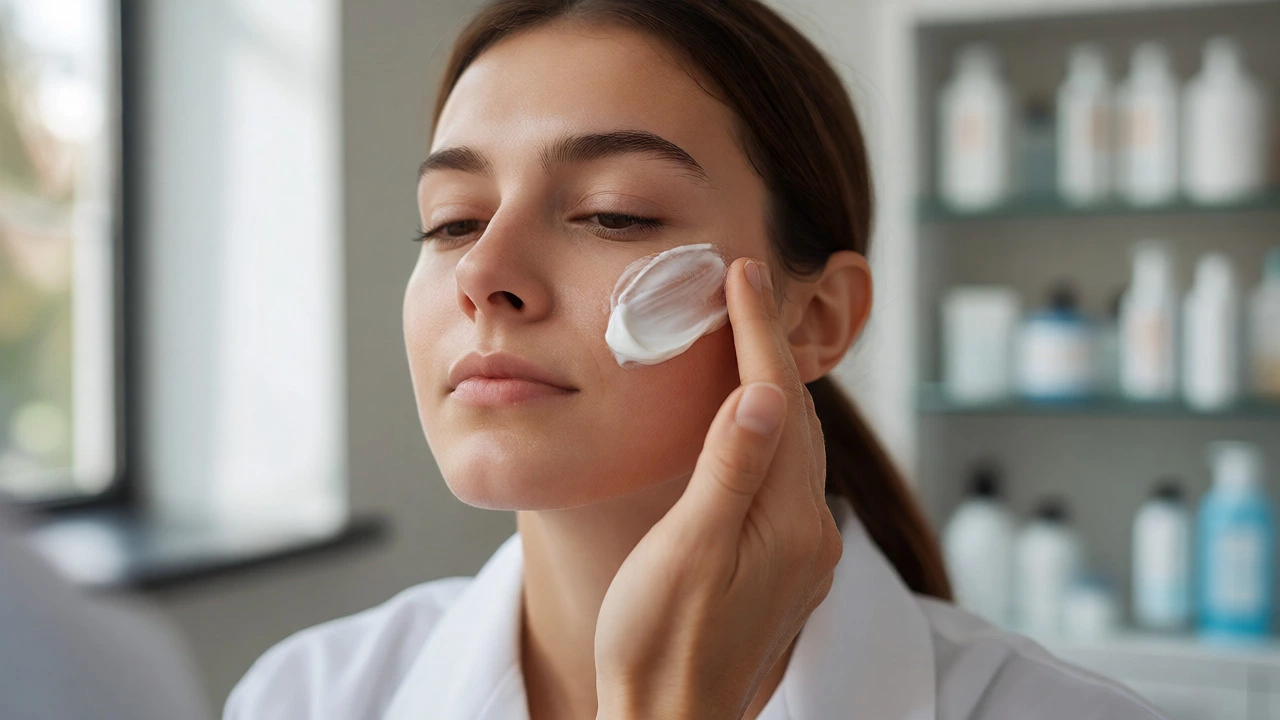
Dermatologist-Approved Moisturizer Finder
Not sure which moisturizer is right for you? Answer three simple questions below to get a personalized recommendation based on clinical dermatology standards.
Recommendation
Product:
Why it works:
Texture:
Estimated Price:
You walk into a pharmacy or scroll through an online store, and you are hit with a wall of bottles. Some promise miracles. Others boast about rare ingredients harvested from the Himalayas. But if you ask ten dermatologists what they actually tell their patients to buy, you will likely hear one name repeated over and over again: CeraVe Moisturizing Cream. It isn’t flashy. It doesn’t smell like lavender fields in Provence. It’s cheap, widely available, and frankly, a bit boring. But in the world of organic skincare and clinical dermatology, boring often means effective.
Why does this specific cream dominate the conversation? It comes down to science, not marketing. Dermatologists don’t care about how pretty the jar looks. They care about restoring your skin barrier. Your skin barrier is that thin, protective layer on top of your face that keeps moisture in and irritants out. When it breaks, you get redness, itching, and breakouts. CeraVe works because it contains three essential ceramides-lipids that naturally occur in your skin-to help rebuild that wall.
Why Dermatologists Love Ceramides
Think of your skin cells as bricks. The cement holding them together is made of lipids, including ceramides. If the cement cracks, the wall leaks. You lose water, and dirt gets in. Most standard lotions just put oil on top of the cracks. They feel nice for an hour, then wash off. Ceramides actually patch the holes. This is why dermatologists recommend them for conditions like eczema, psoriasis, and general dryness. It’s not magic; it’s structural repair.
But here is where things get tricky for people interested in natural beauty. Many folks want organic skincare options that avoid synthetic chemicals. CeraVe is a pharmaceutical-grade product, not strictly "organic" in the certified sense. It uses synthetic ceramides because they are stable and consistent. So, if you are looking for a plant-based alternative that still mimics this dermatologist-approved approach, you need to look for products containing phytoceramides derived from wheat or rice. These work similarly but fit a stricter natural lifestyle.
The Top Contenders: A Comparison
While CeraVe holds the crown for general use, different skin types need different tools. Here is how the top dermatologist-recommended options stack up against each other.
| Product | Key Ingredient | Best For | Texture | Price Range (NZD) |
|---|---|---|---|---|
| CeraVe Moisturizing Cream | Ceramides + Hyaluronic Acid | Dry/Sensitive Skin | Thick Cream | $15 - $25 |
| La Roche-Posay Cicaplast Baume B5 | Panthenol + Madecassoside | Irritated/Post-Procedure | Rich Balm | $30 - $40 |
| Vanicream Daily Facial Moisturizer | Hyaluronic Acid + Squalane | Extremely Reactive Skin | Light Lotion | $20 - $30 |
| Weleda Skin Food | Plant Oils + Beeswax | Organic/Natural Preference | Heavy Paste | $25 - $35 |
Notice the pattern? The top picks all focus on minimalism. They don’t load up on twenty different botanical extracts. They pick two or three proven ingredients and do them well. Hyaluronic acid, for example, is a humectant. It pulls water from the air into your skin. Pairing it with occlusives (like petrolatum or shea butter) locks that water in. That combo is the gold standard for hydration.

How to Choose Based on Your Skin Type
Your face isn’t the same as your body. And your oily T-zone isn’t the same as your dry cheeks. Using one heavy cream everywhere might cause breakouts in some areas while leaving others parched. Here is a quick way to decide:
- Oily/Acne-Prone: Look for "non-comedogenic" labels. Gel-based moisturizers with hyaluronic acid are your friends. Avoid heavy oils like coconut oil, which can clog pores.
- Dry/Mature: You need occlusives. Look for shea butter, squalane, or lanolin. These create a seal that prevents transepidermal water loss.
- Sensitive/Rosacea: Fragrance-free is non-negotiable. Stick to simple formulas like Vanicream or CeraVe. Avoid essential oils, even if they sound relaxing.
- Combination: You might need two products. A light lotion for your forehead and nose, and a richer cream for your jawline and cheeks.
If you are leaning towards organic skincare, be careful. "Natural" doesn’t always mean safe. Poison ivy is natural. Essential oils are natural, but they are common allergens. If you have sensitive skin, a synthetic, fragrance-free formula from a brand like CeraVe is often safer than a complex blend of five different plant extracts.
The Application Mistake Everyone Makes
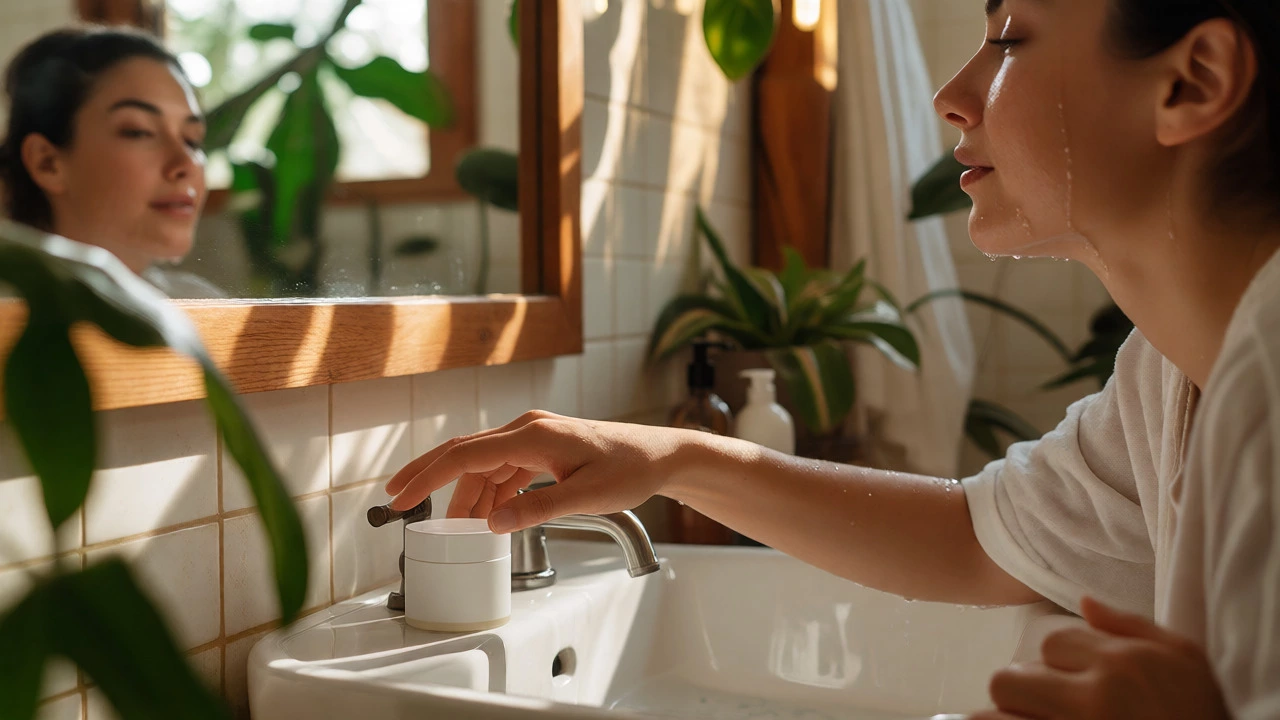
Even the best moisturizer won’t work if you apply it wrong. Most people wait until their skin is completely dry after washing their face. Then they slap on cream. Big mistake. Moisturizers work best when applied to damp skin. Why? Because hydrating ingredients like glycerin and hyaluronic acid need water to grab onto. If your skin is bone dry, they might actually pull moisture *out* of your deeper layers to satisfy themselves, leaving you drier later.
Try this routine instead: 1. Wash your face with a gentle cleanser. 2. Pat lightly with a towel, leaving your skin slightly wet. 3. Apply your serum (if you use one). 4. Immediately apply your moisturizer within 60 seconds.
This technique, often called the "three-second rule," maximizes absorption. It’s free, and it makes a noticeable difference in how plump and comfortable your skin feels by midday.
Bridging the Gap: Organic Options That Work
Let’s say you refuse to use synthetic preservatives. You want clean, green, ethical products. Can you still get dermatologist-level results? Yes, but you have to be smarter about reading labels. Look for brands that use jojoba oil or squalane (derived from olives or sugarcane). These mimic human sebum closely without feeling greasy.
Brands like Drunk Elephant or Youth To The People offer formulations that bridge the gap between clinical efficacy and natural ingredients. They avoid the "fragrance trap" while using potent antioxidants like vitamin C and niacinamide. However, these come at a premium price. In New Zealand, local brands like Antipodes or Tronque also offer high-quality, ethically sourced options that respect the skin barrier. Just remember: check the ingredient list. If "parfum" is near the top, skip it.
When to See a Professional
A moisturizer is maintenance, not medicine. If your skin is cracking, bleeding, or intensely itchy despite weeks of good care, stop shopping and start booking. Conditions like contact dermatitis or fungal acne require specific treatments, not just better lotion. Dermatologists can prescribe topical steroids or antifungals that no over-the-counter cream can match. Also, if you are using active ingredients like retinol or acids, your barrier needs extra support. Skipping moisturizer while using actives is a recipe for disaster.
The number one recommendation isn’t really about one single tube of cream. It’s about understanding what your skin needs. Consistency beats intensity every time. Applying a basic, affordable moisturizer twice a day will do more for your skin health than applying a luxury cream once a week. Start with the basics, listen to your skin, and adjust as needed.
Is CeraVe suitable for acne-prone skin?
Yes, specifically the CeraVe PM Facial Moisturizing Lotion. It is lightweight, oil-free, and non-comedogenic, meaning it won't clog pores. The regular CeraVe Moisturizing Cream is thicker and better suited for dry body skin or very dry faces, but may feel too heavy for oily zones.
Can I use organic moisturizers if I have eczema?
You can, but proceed with caution. Many organic products contain essential oils and botanical extracts that can trigger flare-ups in sensitive, eczema-prone skin. Dermatologists usually recommend fragrance-free, hypoallergenic synthetic options first. If you prefer organic, look for simple formulas with fewer ingredients and patch test before full application.
Do expensive moisturizers work better than drugstore ones?
Not necessarily. Price often reflects packaging, branding, and scent rather than efficacy. Key ingredients like ceramides, hyaluronic acid, and niacinamide are inexpensive to produce. A $20 bottle of CeraVe often performs just as well as a $80 luxury cream. Focus on the ingredient list, not the price tag.
How often should I apply moisturizer?
Twice daily is the standard recommendation: once in the morning under sunscreen and once at night. If you have very dry skin or live in a cold, windy climate like Auckland's winter, you may need to apply a third time during the day, especially after washing hands or face.
What is the difference between a lotion and a cream?
The main difference is the oil-to-water ratio. Lotions have more water and less oil, making them lighter and faster-absorbing. Creams have more oil and less water, providing a heavier barrier. Use lotions for oily or normal skin, and creams for dry or mature skin.