Beauty Professional Finder
Confused about who to book? Select your desired service below to find the right professional title and the best keywords to use when searching online.
Primary Focus
Key Tools & Techniques
Best Search Keywords
Copy these terms to find the right shop:
Walking into a salon and seeing a man with shears in hand can be confusing. Is he a barber or a male version of a beautician who does everything from hair to facials? The terminology has shifted significantly over the last decade, moving away from gendered labels toward skill-based titles. If you are looking for a specific service, knowing the right word helps you find the right professional.
The Core Terminology: Barber vs. Cosmetologist
Historically, the beauty industry was split by gender. Men went to barbershops for haircuts and shaves; women went to salons for cuts, color, and styling. This separation created distinct job titles that still linger in many regions today.
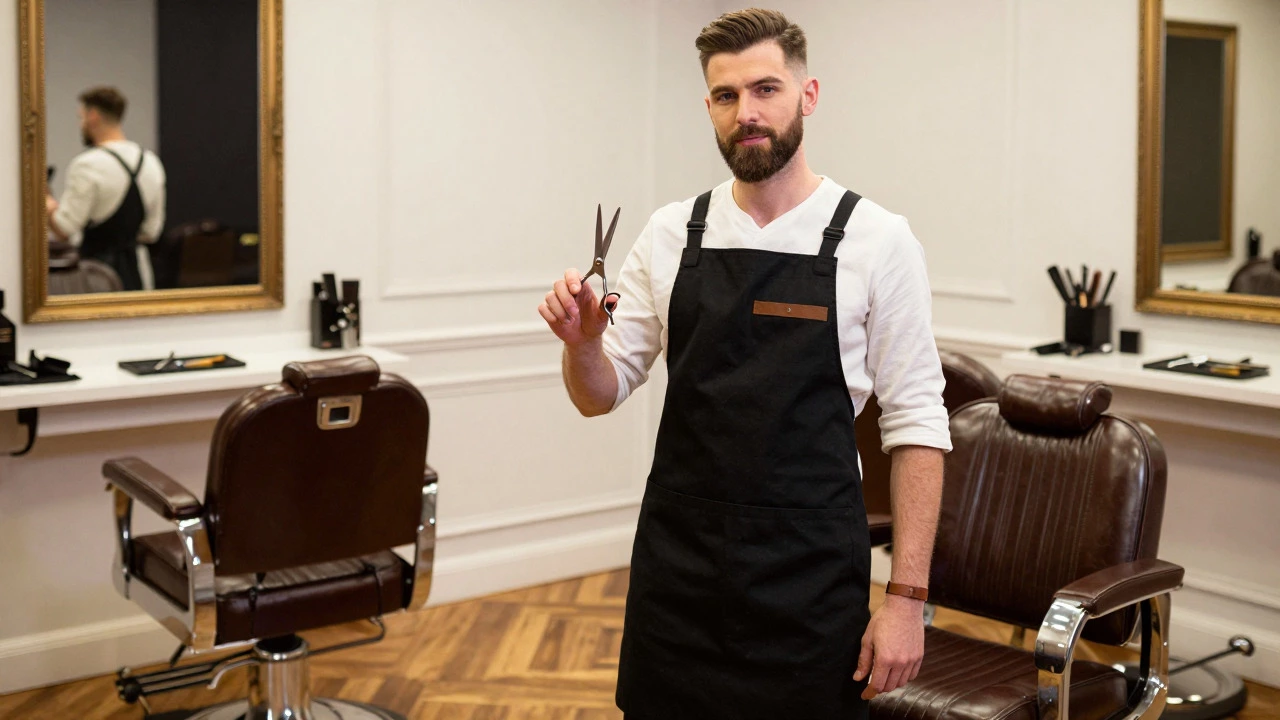
Barber is a licensed professional primarily trained in cutting, trimming, and styling men’s hair, as well as performing straight-razor shaves. In many jurisdictions, such as parts of the United States and New Zealand, barbering licenses specifically restrict practitioners to male clients or shorter hairstyles. A barber’s toolkit typically includes clippers, scissors, combs, and razors. Their focus is precision and speed, often catering to busy professionals who want a quick, clean look.
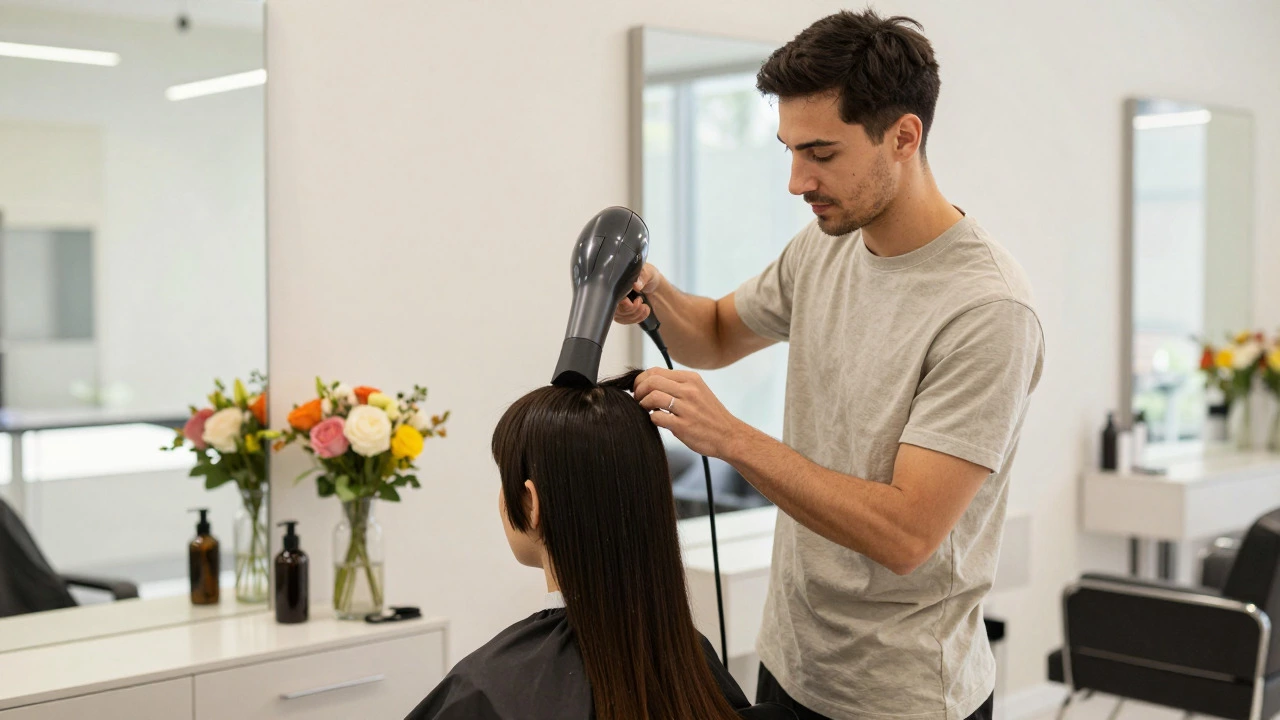
On the other hand, a Cosmetologist is a broader term. In states like California or Texas, a cosmetology license allows a practitioner to perform hair, skin, and nail services on any client, regardless of gender. So, a male cosmetologist is simply a man who holds this comprehensive license. He might cut your wife’s long layers one hour and give you a fade the next. This role is increasingly common in unisex salons where gender-neutral care is the norm.
Estheticians and Skin Care Specialists
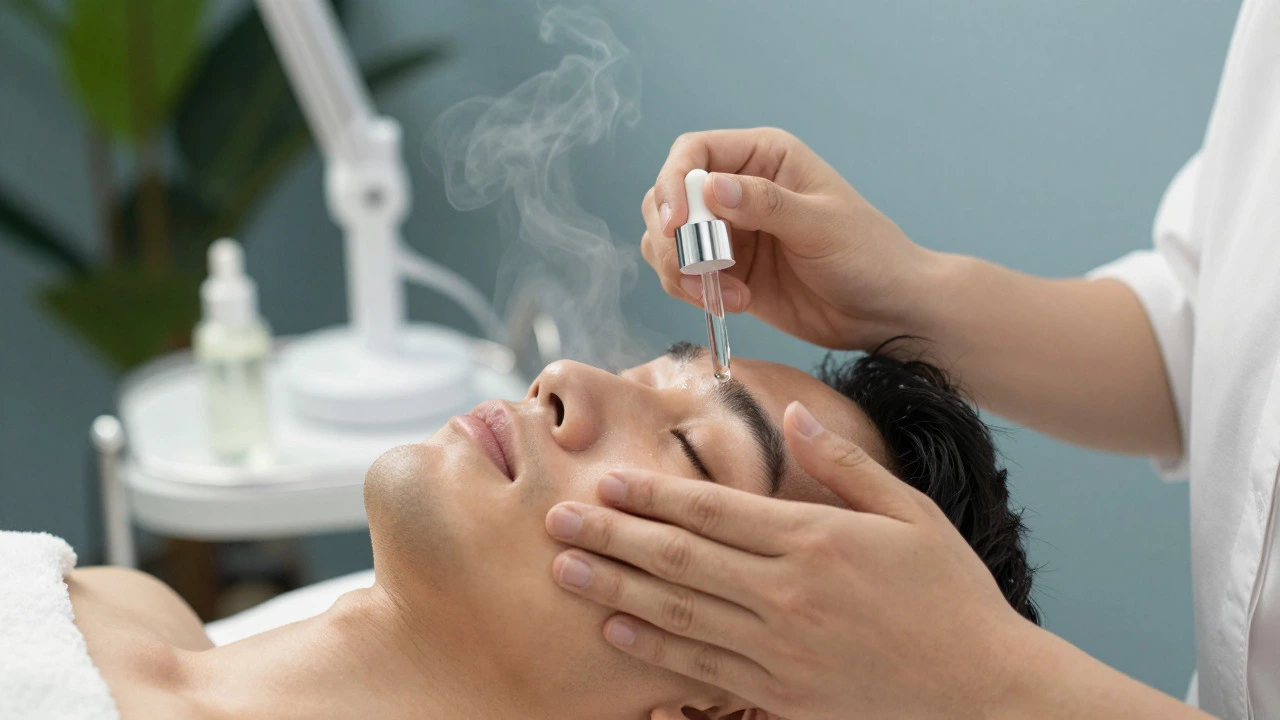
If your interest extends beyond hair, the title changes again. A professional focused on skin treatments, facials, and waxing is called an Esthetician (or aesthetician). While this field was traditionally dominated by women, male estheticians are becoming more visible. They provide the same deep-cleansing facials, chemical peels, and microdermabrasion as their female counterparts. The difference lies in the marketing and sometimes the product lines they recommend, which may target thicker skin or different hormonal responses.
It is crucial to distinguish between a cosmetologist and an esthetician. A cosmetologist deals with the integumentary system’s exterior structures-hair, nails, and surface skin-using mechanical and chemical methods. An esthetician focuses strictly on skin health and appearance. If you need a facial, you book an esthetician. If you need a haircut, you book a barber or cosmetologist. Mixing these up can lead to booking the wrong appointment.
Modern Titles: Groomer and Stylist
In recent years, the industry has embraced less rigid terminology. You will frequently see Hair Stylist used as a gender-neutral catch-all. This title implies versatility. A male hair stylist might specialize in texture, color correction, or editorial looks. Unlike a traditional barber, a stylist may work in high-end salons rather than street-level shops, offering consultations that take time and require advanced training in color theory and head shape analysis.
Another emerging term is Grooming Specialist. This label is popular in luxury spas and men’s wellness centers. It suggests a holistic approach that combines hair cutting, beard sculpting, and perhaps even basic skincare advice. It appeals to clients who view grooming as part of their self-care routine rather than just a maintenance task.
Licensing and Regional Differences
The correct title often depends on where you live. Licensing boards dictate what a professional can legally call themselves and what services they can perform.
| Title | Primary Focus | Typical Clients | Key Tools/Techniques |
|---|---|---|---|
| Barber | Hair & Shaving | Primarily Men | Clippers, Straight Razor, Scissors |
| Cosmetologist | Hair, Skin, Nails | All Genders | Color Chemistry, Blow Dryers, Wax |
| Esthetician | Skin Care | All Genders | Exfoliants, Serums, Steamers |
| Hair Stylist | Cutting & Coloring | All Genders | Shears, Color Kits, Thermal Tools |
In New Zealand, for example, the licensing framework is relatively flexible compared to some US states. Many practitioners hold general beauty therapy qualifications that allow them to work on all clients. However, if you visit a dedicated "Barbershop," you will likely only find barbers there. If you go to a "Salon," you will find stylists and possibly estheticians. Understanding this local context prevents confusion when searching for "beauty salons near me."
Why the Distinction Matters for Your Booking
Using the right keyword when searching online saves you time. If you type "male beautician," search engines might show mixed results. Instead, specify your need:
- For a sharp fade or razor shave: Search for "barber" or "men's grooming specialist."
- For a full restyle with color: Search for "unisex hair stylist" or "cosmetologist."
- For a facial or skin treatment: Search for "esthetician" or "skin care specialist."
This specificity ensures you land on a profile that matches your actual requirement. It also helps you evaluate portfolios. A barber’s portfolio will showcase crisp lines and fades. A stylist’s portfolio will display varied textures, colors, and longer styles. An esthetician’s portfolio will feature before-and-after skin photos. Matching the visual evidence to your desired outcome is the most reliable way to choose the right professional.
Frequently Asked Questions
Is a male beautician a real job title?
Not officially. "Beautician" is a colloquial term, not a licensed profession. Legally, men in this field are usually barbers, cosmetologists, or estheticians depending on their specific training and license.
Can a barber do a woman's haircut?
It depends on local laws. In many places, barbers are restricted to male clients or short hair. In others, it is allowed. Always check the shop’s policy or ask directly if they welcome female clients.
What is the difference between a stylist and a barber?
A barber focuses on short hair and shaving, often using clippers. A stylist handles all lengths, colors, and complex cuts, usually working in a salon setting with more emphasis on fashion trends.
Do male estheticians use different products?
They may recommend products formulated for thicker skin or post-shave irritation, but the core treatments like facials and peels are identical to those offered to women.
Which title should I search for to find a unisex salon?
Search for "unisex hair salon" or "cosmetologist." These terms indicate that the establishment serves all genders and likely employs professionals with broad training.