Beauty Subscription Value Calculator
Discover if a monthly beauty box is actually saving you money compared to buying what you really want.
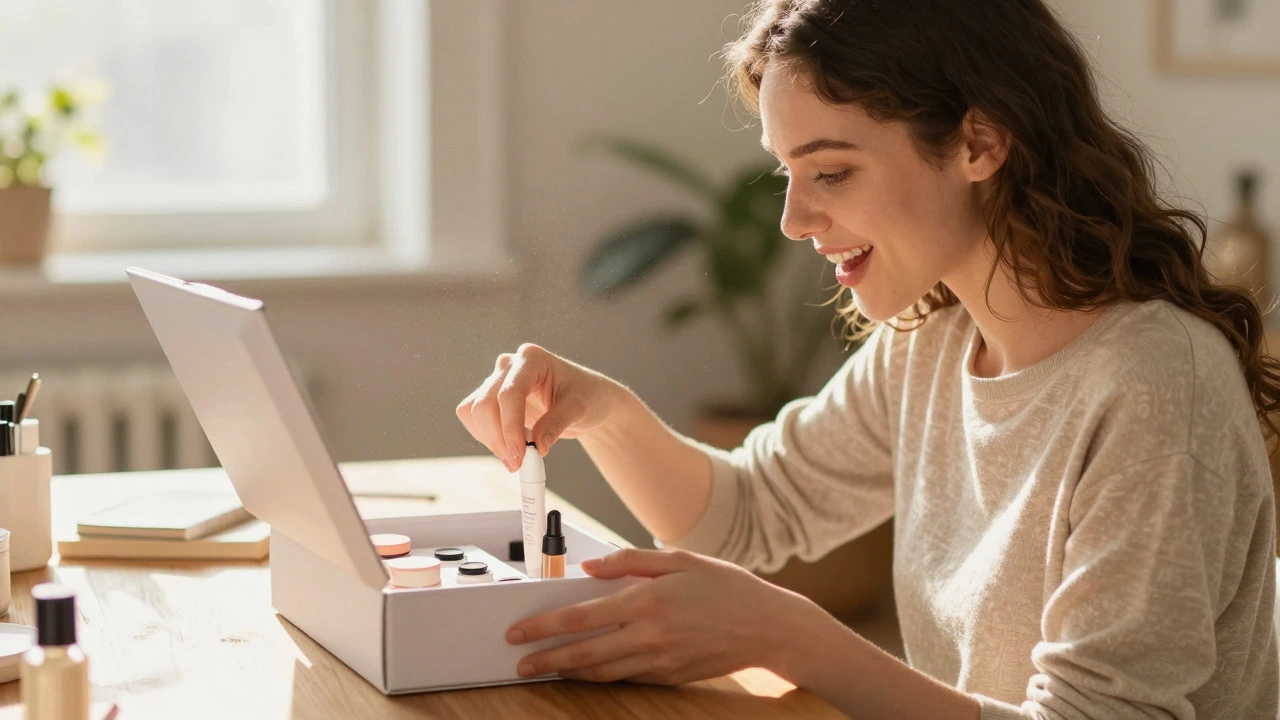
Remember when getting a box of sample-sized skincare and makeup in the mail felt like Christmas morning? For years, Birchbox was the king of that experience. You paid a few bucks a month, they sent you three little samples, and you discovered your new favorite lipstick or serum without breaking the bank. But if you’ve tried to subscribe recently, or noticed their social media going quiet, you’re probably wondering: what actually happened to them?
The short answer is that Birchbox didn’t just fade away; it went through a messy corporate breakup, a bankruptcy filing, and a complete identity crisis. The long answer involves how the entire beauty industry shifted from "discovery" to "haul culture," leaving subscription models struggling to keep up.
The Golden Era: How Birchbox Changed Beauty Retail
To understand where Birchbox ended up, we have to look at where it started. Launched in 2010 by Katia Beauchamp and Irene Hoffman, Birchbox solved a real problem for consumers. Before then, if you wanted to try a $50 cream, you had to buy the full jar or hope the counter salesperson gave you a tiny smear. Birchbox democratized access to high-end brands.
For a while, this model was unstoppable. By 2014, Birchbox had raised over $17 million in venture capital and claimed more than one million subscribers. They weren't just sending samples; they were building a community. Their blog became a go-to resource for tutorials and reviews. The value proposition was simple: low risk, high reward. You spent $10 to find out if you loved a product worth $80. If you did, you bought the full size on their site. It was a perfect funnel.
However, success bred complacency. As Birchbox grew, the curation got less personal. The "samples" started feeling like obligatory marketing inserts rather than curated gifts. Meanwhile, competitors like Ipsy entered the market with cheaper prices and flashier packaging, stealing the casual subscriber base.
The IAC Acquisition and Corporate Struggles
In 2016, digital media giant IAC (the same company behind Match.com and Expedia) acquired Birchbox for roughly $300 million. On paper, this should have been a dream scenario. IAC had the resources, the data infrastructure, and the e-commerce expertise to scale Birchbox into a global behemoth.
Instead, things got complicated. Integrating a niche beauty brand into a massive tech conglomerate is hard. Reports emerged of cultural clashes and strategic missteps. IAC tried to bundle Birchbox with other acquisitions, creating a tangled web of ownership that confused investors and customers alike. The focus shifted from customer delight to shareholder value. Subscribers began noticing changes in shipping times, customer service responsiveness, and the quality of products included.
Then came the pandemic. In 2020, the world shut down. While e-commerce boomed overall, the subscription box model hit a wall. People stopped wanting "surprises." They wanted essentials. They wanted specific ingredients they could research online. The novelty of random samples wore off when people were stressed and sticking to routines that worked. Birchbox’s revenue plummeted alongside many other subscription services.
Bankruptcy and the End of an Era
By 2021, the writing was on the wall. Birchbox filed for Chapter 11 bankruptcy protection. This wasn't a surprise to those watching closely, but it shook the industry. Chapter 11 allows a company to reorganize its debts while continuing operations, but it signals severe financial distress.
During this period, IAC attempted to sell off parts of the business. There were rumors of buyouts, mergers, and even potential closures. The uncertainty made it nearly impossible for Birchbox to recruit top talent or negotiate favorable deals with beauty brands. Why would L'Oréal or Estée Lauder partner with a brand in bankruptcy? They wouldn't. This created a vicious cycle: fewer brand partnerships meant worse boxes, which led to more cancellations, which deepened the financial hole.
In late 2021, IAC announced it would spin off its beauty assets, including Birchbox, into a new public company called Realogy Holdings... wait, no, that was a different deal. Actually, IAC merged its beauty division with another entity to form The Honest Company? No, let's get the facts straight. IAC eventually sold Birchbox and other beauty assets to Folli Follie? No. The truth is, the path was chaotic. Ultimately, IAC retained ownership but stripped Birchbox of much of its former glory. The brand continued to operate, but as a shadow of its former self.

Why Did the Model Fail? A Shift in Consumer Behavior
Birchbox didn't fail because people stopped buying beauty products. They failed because the way people buy beauty products changed. Let's look at three major shifts:
- The Rise of TikTok and Social Commerce: In the early 2010s, you trusted a magazine editor or a Birchbox curator. Today, you trust a micro-influencer on TikTok who shows you exactly how a foundation looks on their skin tone. Discovery moved from monthly boxes to daily feeds. Algorithms replaced curators.
- DTC Brands Bypassed Middlemen: Brands like Glossier, Fenty Beauty, and Rare Beauty launched direct-to-consumer. They offered full-size products at accessible price points with inclusive shade ranges. Why pay $10 for a sample when you can buy a full-size concealer for $25 and return it if it doesn't work?
- Sustainability Concerns: Subscription boxes generate massive amounts of waste. Plastic wrappers, cardboard boxes, and unused products ending up in landfills became a hot-button issue. Consumers, especially Gen Z, started favoring brands with sustainable packaging and refillable options over disposable monthly deliveries.
Birchbox was built for a world where discovery was slow and expensive. We now live in a world where discovery is instant and free.
Where Is Birchbox Today? (2026 Update)
So, is Birchbox dead? Not entirely. As of August 2026, Birchbox still exists as a website and occasionally ships boxes. However, it is no longer the cultural phenomenon it once was. The brand has scaled back significantly. They no longer push aggressive marketing campaigns. Their social media presence is minimal compared to rivals like Sephora Play or Ulta Ultamate Rewards.
Many former subscribers have moved on. Some switched to Ipsy, which also struggled but managed to pivot slightly toward lower-cost, higher-volume boxes. Others abandoned subscriptions altogether, opting to visit Sephora or Ulta stores to test products in person-a trend that rebounded strongly post-pandemic.
If you check the Birchbox website today, you’ll find it functional but unremarkable. The "discovery" aspect feels forced. The brands included are often mid-tier labels looking for exposure, rather than the luxury houses that defined Birchbox’s early days. The user interface hasn’t seen a major update in years. It’s a ghost ship, drifting through the beauty internet.
Lessons for the Future of Beauty Retail
Birchbox’s journey offers valuable lessons for anyone interested in the beauty industry. First, convenience isn't enough. Customers will pay for convenience only if the value exceeds the effort of doing it themselves. When TikTok made discovery effortless, Birchbox’s core advantage vanished.
Second, corporate structure matters. Being part of a large conglomerate like IAC provided resources but also bureaucracy. Agile startups can pivot quickly; large corporations move slowly. In the fast-paced beauty world, speed is everything.
Third, sustainability is non-negotiable. Any future subscription model must address waste head-on. Think reusable containers, plastic-free packaging, or donation programs for unused products. Consumers vote with their wallets, and they’re voting green.
| Service | Current Status | Price Point | Key Differentiator |
|---|---|---|---|
| Birchbox | Active but diminished | $15/month | Legacy brand recognition |
| Ipsy | Active, pivoting | $13/month | Lower cost, broader audience |
| Sephora Play | Active, integrated | Free (with loyalty) | Tied to retail purchases |
| FabFitFun | Active, seasonal | $49/quarter | Full-size lifestyle products |
What Should You Do Instead?
If you miss the thrill of discovering new products, don’t rush to resubscribe to Birchbox. Consider these alternatives:
- Visit Stores: Go to Sephora, Ulta, or local indie beauty shops. Test products on your skin. Talk to experts. It’s interactive and immediate.
- Follow Influencers Critically: Use TikTok and Instagram for inspiration, but verify claims. Look for diverse skin tones and honest reviews.
- Buy Decants: Many third-party sellers offer "decants"-small portions of full-size products. You can buy a 1ml vial of a $100 serum for $5. It’s more targeted than a subscription box.
- Loyalty Programs: Sign up for Sephora Beauty Insider or Ulta Ultamate Rewards. You earn points toward free samples and full-size products based on your actual purchases.
The era of the mystery box is over. The era of intentional consumption is here. Birchbox taught us that we love trying new things, but we hate wasting money and time. The next big thing in beauty won’t be a box in the mail. It will be an experience, personalized, sustainable, and transparent.
Is Birchbox still available to subscribe to in 2026?
Yes, Birchbox is still technically active and accepts subscriptions. However, its market presence is significantly reduced compared to its peak years. Many users report inconsistent product quality and slower shipping times.
Did Birchbox go bankrupt?
Birchbox filed for Chapter 11 bankruptcy protection in 2021. This allowed the company to restructure its debts under the ownership of IAC. It did not result in a total liquidation, but it marked the end of its independent growth phase.
Who owns Birchbox now?
Birchbox is owned by IAC Inc., a mass media and internet company. After the bankruptcy restructuring, IAC retained control but scaled back operations significantly.
Why did Birchbox lose popularity?
Birchbox lost popularity due to several factors: the rise of social media-driven discovery (TikTok), increased competition from cheaper alternatives like Ipsy, consumer fatigue with subscription models, and growing concerns about packaging waste.
Are there better alternatives to Birchbox in 2026?
Yes. Many consumers prefer buying decants from specialized retailers, using loyalty programs at Sephora or Ulta, or following trusted influencers for product recommendations. These methods offer more control and less waste than traditional subscription boxes.