Dermatology Knowledge Quiz
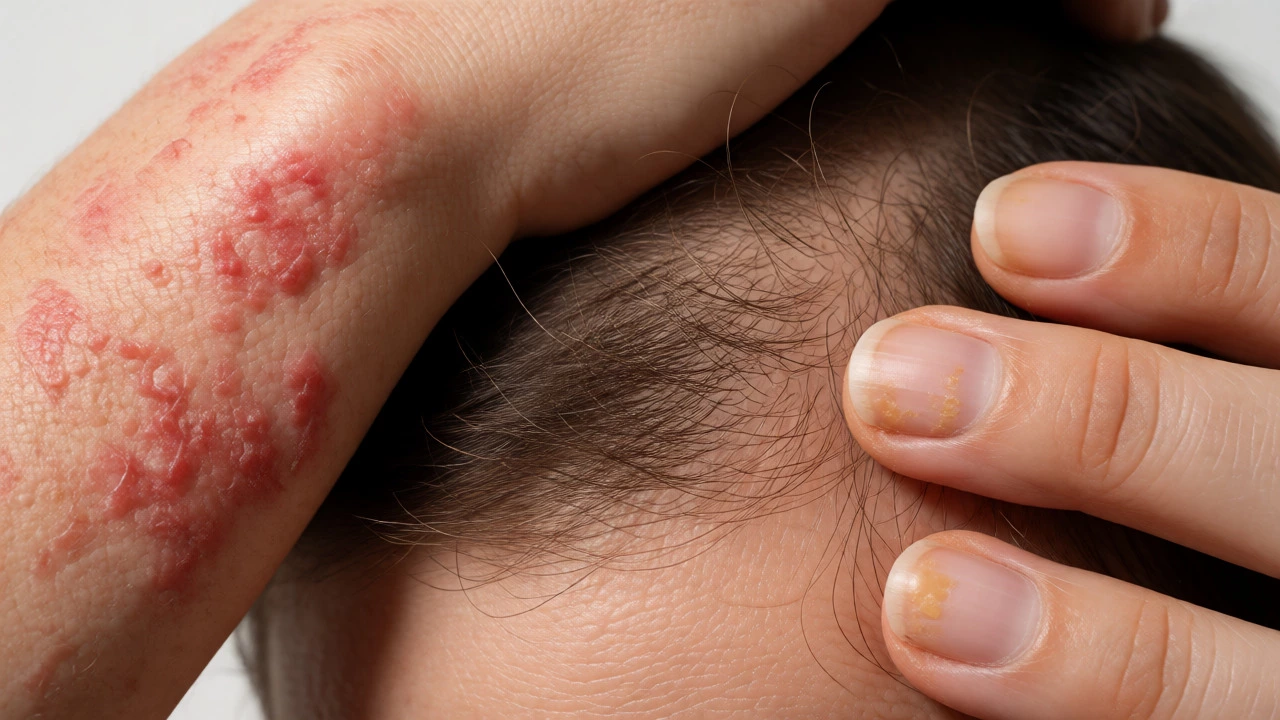
You wake up with a strange rash on your arm. Or maybe you’ve noticed thinning hair that won’t stop falling out. You hesitate. Is this something you can ignore, or do you need a specialist? This is the most common question people ask before booking an appointment: what does dermatology treat? It’s not just about acne. Dermatologists are medical doctors who specialize in the largest organ of your body-your skin-and its appendages: hair and nails. If it grows from, sits on, or affects these areas, it’s likely within their scope.
Many patients think dermatology is purely cosmetic. They assume a dermatologist only helps if you want to look better. That’s a myth. While they do perform aesthetic procedures, their primary role is diagnosing and treating medical conditions that affect your health. From life-threatening melanomas to annoying eczema flares, this field covers a massive range of issues. Understanding what falls under their care saves you time, money, and unnecessary anxiety.
The Core Scope: Skin, Hair, and Nails
Dermatology is built on three pillars. If your problem touches any of them, a dermatologist is your first line of defense. Let’s break down exactly what each pillar entails so you know when to seek help.
Skin is the primary focus. This isn't just about surface-level blemishes. Dermatologists treat infections, autoimmune reactions, genetic disorders, and cancers. They handle everything from minor cuts that won't heal to complex systemic diseases like lupus, which often show up as rashes on the face.
Hair loss and scalp conditions fall squarely under dermatology. Unlike trichologists (who may be non-medical), dermatologists can prescribe medication for hair loss, perform biopsies to find the cause, and treat underlying hormonal or immune issues affecting follicles.
Nails are often overlooked, but they’re made of keratin, just like hair and skin. Fungal infections, psoriasis affecting the nail bed, and even signs of internal disease (like heart or lung problems) manifest in your nails. A dermatologist can diagnose these through visual exams and lab tests.
Common Medical Skin Conditions Treated
When you walk into a clinic, you’re rarely there for one specific thing. You might have multiple issues happening at once. Here are the most frequent medical conditions dermatologists manage daily.
Acne is the most common reason people see a dermatologist. But it’s not just teenage pimples. Adult acne, cystic nodules, and acne scarring require professional intervention. Over-the-counter creams often fail because they don’t address the root causes: excess oil production, bacteria (Cutibacterium acnes), inflammation, and clogged pores. Dermatologists use retinoids, antibiotics, hormonal therapies, and isotretinoin to clear stubborn cases.
Eczema (Atopic Dermatitis) causes dry, itchy, inflamed skin. It’s chronic and flares up due to triggers like stress, allergens, or weather changes. Managing it requires more than moisturizer; you need prescription steroids, calcineurin inhibitors, or newer biologics like dupilumab to control the immune response.
Psoriasis is an autoimmune disease where skin cells multiply too quickly, causing thick, red patches with silvery scales. It’s not contagious, but it can be painful and socially isolating. Treatment ranges from topical creams and light therapy (phototherapy) to systemic medications that suppress the immune system.
Rosacea presents as facial redness, visible blood vessels, and sometimes pustules. It’s often mistaken for acne or sensitive skin. Because it worsens with heat, spicy food, and alcohol, management involves lifestyle changes alongside prescription gels or oral antibiotics.
| Condition | Primary Symptom | Cause Type | Common Treatment |
|---|---|---|---|
| Acne | Pimples, blackheads, cysts | Bacterial/Hormonal | Retinoids, Antibiotics |
| Eczema | Itching, dryness, redness | Immune/Environmental | Moisturizers, Steroids |
| Psoriasis | Thick scales, plaques | Autoimmune | Phototherapy, Biologics |
| Rosacea | Facial flushing, bumps | Vascular/Neurogenic | Topical Gels, Laser |
Hair and Scalp Disorders
If you’re pulling out handfuls of hair in the shower, you’re probably worried. But hair loss is rarely a single issue. It’s usually a symptom of something else. Dermatologists diagnose the type of hair loss to determine the right fix.
Alopecia Areata is an autoimmune condition where the body attacks hair follicles, causing patchy bald spots. It can happen suddenly and affect anyone, regardless of age. Treatments include steroid injections directly into the scalp to calm the immune attack.
Androgenetic Alopecia is the medical term for male or female pattern baldness. It’s genetic and hormonal. While you can’t reverse genetics, early treatment with minoxidil or finasteride can slow progression and thicken existing hair.
Seborrheic Dermatitis causes dandruff, cradle cap in infants, and greasy, scaly patches on the scalp. It’s linked to yeast overgrowth (Malassezia). Medicated shampoos containing ketoconazole or selenium sulfide are standard treatments.
Nail Problems Beyond Cosmetic Issues
Your nails can tell you a lot about your overall health. Yellowing, pitting, or separation from the nail bed aren’t just unsightly-they’re diagnostic clues.
Onychomycosis is a fungal infection of the nail. It’s stubborn and doesn’t go away with home remedies like vinegar soaks. Oral antifungals prescribed by a dermatologist are often necessary because topicals can’t penetrate the hard nail plate effectively.
Nail Psoriasis causes pitting, discoloration, and crumbling. It often accompanies skin psoriasis but can occur alone. Treating the skin often helps the nails, but sometimes direct injections into the nail matrix are needed.
Skin Cancer Detection and Management
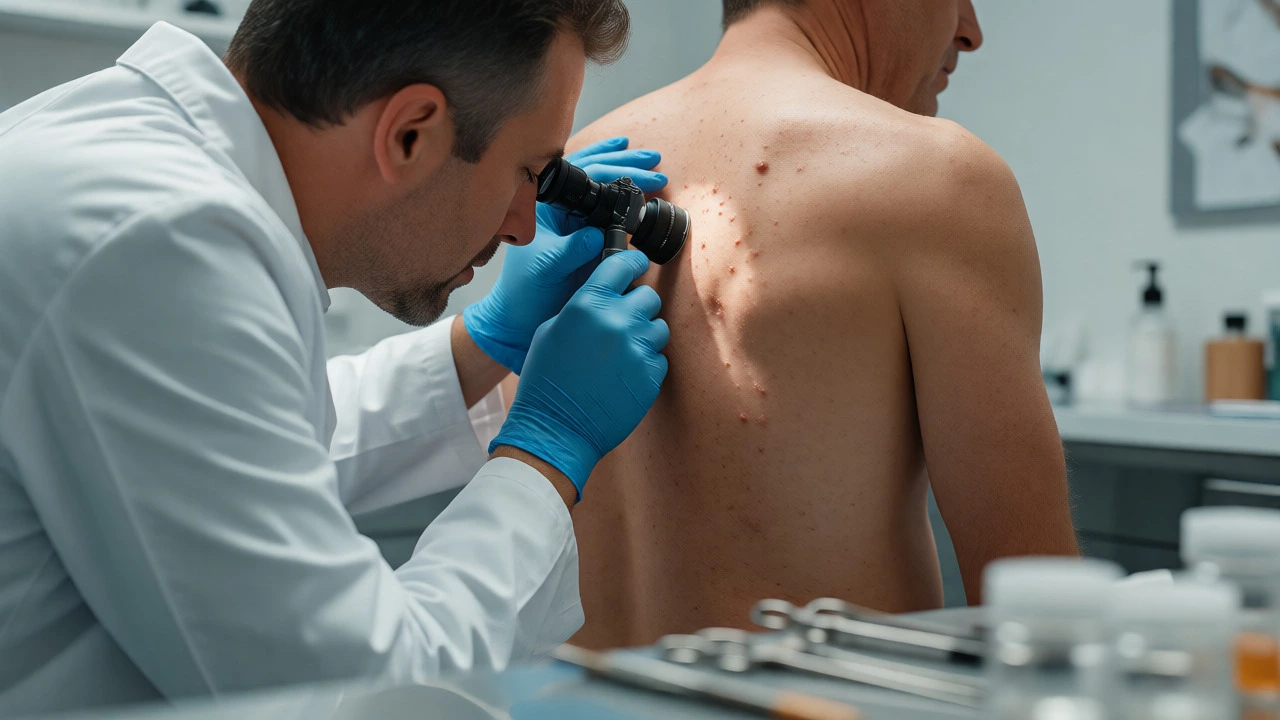
This is arguably the most critical service a dermatologist provides. Early detection saves lives. Melanoma is the deadliest form of skin cancer, but it’s highly curable if caught early. Dermatologists perform full-body skin checks to spot irregular moles using the ABCDE rule: Asymmetry, Border irregularity, Color variation, Diameter >6mm, Evolving size.
Other cancers treated include Basal Cell Carcinoma, the most common and least aggressive type, and Squamous Cell Carcinoma, which can spread if ignored. Procedures like Mohs surgery allow precise removal of cancer while saving healthy tissue.

Infectious and Viral Skin Diseases
Not all skin issues are chronic. Some come from outside invaders. Dermatologists treat bacterial, viral, and fungal infections that spread across the skin.
- Warts: Caused by Human Papillomavirus (HPV). They can appear anywhere and are contagious. Cryotherapy (freezing) or laser treatment removes them.
- Shingles: A reactivation of the chickenpox virus. It causes a painful, blistering rash along a nerve path. Antivirals speed up healing if taken early.
- Cellulitis: A serious bacterial skin infection that spreads rapidly. It requires prompt antibiotic treatment to prevent sepsis.
When Should You See a Dermatologist?
You might be wondering if your issue warrants a specialist visit or if a GP can handle it. Generally, start with your primary care doctor for mild, acute issues. However, refer yourself to a dermatologist if:
- A rash persists for more than two weeks despite home care.
- You notice a new mole or a change in an existing one.
- Hair loss is sudden, patchy, or accompanied by other symptoms.
- You have severe acne that leaves scars.
- You experience chronic itching that disrupts sleep.
Remember, dermatology isn’t just about vanity. It’s about health. Your skin protects your organs, regulates temperature, and signals internal imbalances. Ignoring persistent skin issues can lead to complications, infections, or missed diagnoses of systemic diseases.
Do dermatologists treat fungal infections?
Yes, dermatologists frequently treat fungal infections such as athlete's foot, ringworm, jock itch, and nail fungus. They can perform skin scrapings to confirm the diagnosis and prescribe topical or oral antifungal medications depending on the severity and location of the infection.
Can a dermatologist remove moles?
Absolutely. Dermatologists remove moles for both medical and cosmetic reasons. If a mole looks suspicious for cancer, they will biopsy or excise it and send it to a lab for analysis. For cosmetic removal, they use techniques like shave excision or punch biopsy to minimize scarring.
Is acne always a teenage issue?
No. While acne is common during puberty due to hormonal surges, adult acne is increasingly prevalent. Hormonal fluctuations in women, stress, diet, and certain medications can trigger acne in adults well into their 40s and 50s. Treatment strategies differ for adults compared to teenagers.
What is the difference between a dermatologist and a cosmetologist?
A dermatologist is a medical doctor (MD or DO) trained to diagnose and treat medical skin conditions, prescribe medication, and perform surgery. A cosmetologist is trained in beauty treatments like facials, makeup, and hair styling. Cosmetologists cannot diagnose diseases or prescribe medicine.
How long does a typical dermatology appointment last?
A standard initial consultation usually lasts 15 to 30 minutes. Follow-up visits may be shorter, around 10-15 minutes. If procedures like biopsies, cryotherapy, or laser treatments are performed, the appointment could take longer, up to an hour.