
Teladoc Eligibility Checker
Not sure if you should book a video visit or go to the ER? Select your primary symptom below to see if Teladoc can help.
You’re sitting at your desk, staring at a rash on your arm that appeared overnight. Or maybe you’ve been battling a stubborn sinus infection for three days and dread the idea of driving across town to sit in a waiting room full of coughing strangers. This is exactly where Teladoc steps in. It’s not just a video call app; it’s a digital front door to medical care. But here is the million-dollar question: can they actually help with what you have right now?
Many people assume telehealth is only for minor sniffles or prescription refills. That’s outdated thinking. While Teladoc isn’t designed for broken bones or heart attacks, its scope of treatable conditions has expanded massively. As of late 2026, their network handles everything from mental health crises to complex dermatology issues. Let’s break down exactly what you can get treated virtually, so you know when to book a slot and when to hit the emergency room.
The Core Scope: Primary Care and Common Illnesses
At its heart, Teladoc functions as a virtual primary care provider. Think of it as replacing that quick visit to your family doctor for acute issues. If you wake up with symptoms that are annoying but not life-threatening, this is your first stop. The platform connects you with board-certified physicians who can diagnose, prescribe medication, and provide home-care instructions within minutes.
Here is a concrete list of common ailments handled daily by their general practitioners:
- Respiratory Infections: Cold, flu, sinus infections, bronchitis, and strep throat. Doctors can assess symptoms via video and order tests if needed.
- Gastrointestinal Issues: Nausea, vomiting, diarrhea, constipation, and mild food poisoning.
- Urinary Tract Infections (UTIs): A classic telehealth win. You describe symptoms, they prescribe antibiotics, and you avoid the clinic wait.
- Allergies: Seasonal allergies, hives, and insect bites.
- Eye Irritations: Pink eye (conjunctivitis) and dry eyes, provided you can show them on camera.
The key here is assessment. For many of these, a physical exam isn’t strictly necessary if the history and visual cues are clear. However, always be ready to describe your symptoms precisely. Vague answers lead to vague diagnoses.
Mental Health Support: More Than Just Listening
If there is one area where telehealth has truly revolutionized access, it’s mental health. Stigma often keeps people from walking into a therapist’s office. With Teladoc, you can join a session from your bedroom, which lowers the barrier to entry significantly. They don’t just offer talk therapy; they manage clinical conditions.
| Condition | Treatment Approach | Typical Provider Type |
|---|---|---|
| Anxiety Disorders | Cognitive Behavioral Therapy (CBT), Medication Management | Psychiatrist or Therapist |
| Depression | Therapy, Antidepressants, Lifestyle Coaching | Psychiatrist or Therapist |
| ADHD | Diagnosis confirmation, Stimulant/Non-stimulant prescriptions | Psychiatrist |
| Insomnia | Sleep hygiene coaching, Short-term medication | Primary Care or Specialist |
| PTSD | Trauma-focused therapy, EMDR guidance | Specialized Therapist |
A crucial distinction: Teladoc therapists handle ongoing management and acute episodes. If you are experiencing active suicidal ideation or a psychotic break, you need immediate, in-person intervention or an emergency hotline. Telehealth is excellent for maintenance and moderate distress, not for total crisis stabilization without backup.
Dermatology: Skin Deep Diagnosis
Would you believe that over 70% of skin issues can be diagnosed via high-resolution photos or video? Dermatologists use pattern recognition heavily. If you send a clear picture of a mole, a rash, or acne, specialists can often determine the next steps. This saves weeks of waiting for a specialist appointment.
Conditions commonly addressed include:
- Acne: Both teenage and adult hormonal acne. Prescriptions for topicals like tretinoin or oral meds like spironolactone are common.
- Eczema and Psoriasis: Flare-up management and steroid cream adjustments.
- Rashes: Contact dermatitis, shingles, and fungal infections like ringworm.
- Hair Loss: Alopecia assessment and treatment plans involving minoxidil or finasteride.
Pro tip: Lighting matters. Take your photos in natural daylight. Blurry, yellow-tinted bathroom lighting makes diagnosis harder and might result in a request for an in-person biopsy.
Chronic Disease Management: Keeping Things Stable
Telehealth isn’t just for new problems. It’s powerful for keeping existing conditions under control. Patients with diabetes, hypertension, or asthma often need frequent check-ins rather than deep dives. Teladoc allows for regular monitoring without the logistical nightmare of monthly clinic visits.
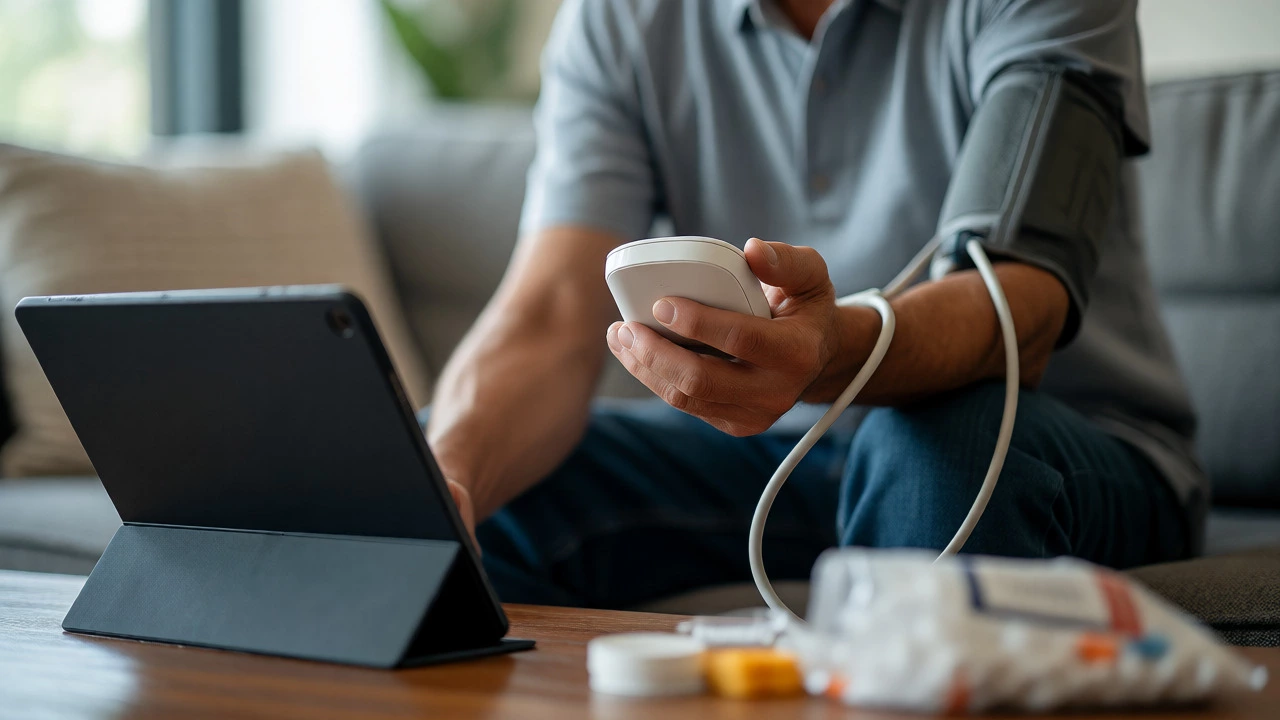
For example, if your blood pressure readings at home are trending high, a virtual visit lets a doctor adjust your dosage immediately. You don’t need to be physically present to review lab results or discuss side effects. This continuity of care prevents small issues from becoming hospitalizations.
When Teladoc Is NOT the Right Choice
Knowing what they *don’t* treat is just as important as knowing what they do. Avoid using Teladoc for emergencies or conditions requiring hands-on physical manipulation.
- Trauma: Broken bones, deep cuts needing stitches, head injuries.
- Cardiac Events: Chest pain, irregular heartbeat with dizziness, shortness of breath at rest.
- Abdominal Pain: Severe, localized pain (like appendicitis) needs palpation and imaging.
- Gynecological Exams: Pap smears, pelvic exams, or pregnancy confirmations require physical tools.
If you try to book a slot for chest pain, the triage system will likely redirect you to the ER. Trust the algorithm-it’s built on safety protocols.
Prescription Refills and Maintenance Meds
One of the most frequent uses is simply renewing a script. If you’ve been on the same dose of cholesterol medication or antidepressant for six months, you don’t need a full workup every time. Teladoc providers can review your history and send a refill to your local pharmacy. This is particularly useful for controlled substances, though regulations vary by state and country regarding how often you must see a provider in person.
Frequently Asked Questions
Can Teladoc doctors prescribe antibiotics?
Yes, absolutely. For common bacterial infections like UTIs, strep throat, or sinus infections, Teladoc physicians frequently prescribe antibiotics after evaluating your symptoms via video or chat. They send the prescription electronically to your preferred pharmacy.
Does Teladoc treat ADHD?
Yes, Teladoc offers psychiatric care that includes ADHD evaluation and medication management. However, for initial diagnosis, they may require detailed history forms. Renewals of existing medications are straightforward and fast.
Can I use Teladoc for my child?
Yes, Teladoc provides pediatric care for children aged 18 months and older. Parents can consult with pediatricians for fevers, rashes, colds, and behavioral concerns. Note that some specific pediatric specialties might have age restrictions.
What happens if my condition is too complex for telehealth?
If the provider determines your issue requires physical examination, lab tests, or imaging, they will refer you to an in-network urgent care center or specialist. Some insurance plans cover this referral seamlessly, ensuring you don’t start the process over.
Is Teladoc available 24/7?
General medical consultations are typically available 24/7. However, specialist appointments (like dermatology or psychiatry) usually require scheduling during business hours. Always check the specific service availability before booking.