
Chronic Pain & CBT Impact Simulator
This simulator helps you understand the "Pain Cycle" described in the article. Adjust your current stress and negative thought patterns to see how they amplify or dampen your perceived pain levels.
Simulates using pacing, relaxation, and cognitive restructuring.
Perceived Pain Intensity
Daily Functionality Score
Most people reach for a pill bottle when their back aches or their joints scream. It’s the default setting in modern healthcare: if it hurts, medicate it. But what if the most effective tool in your kit isn’t in the pharmacy aisle? What if it’s in your head?
We’re talking about Cognitive Behavioral Therapy, or CBT. While often associated with treating depression or anxiety, this psychological approach is a heavyweight champion in the ring against chronic pain. Yet, it remains one of the most underutilized strategies by patients and even some general practitioners. Why? Because we tend to view pain as purely physical-a broken bone, an inflamed nerve-ignoring the complex neural wiring that interprets those signals.
The Brain-Pain Connection
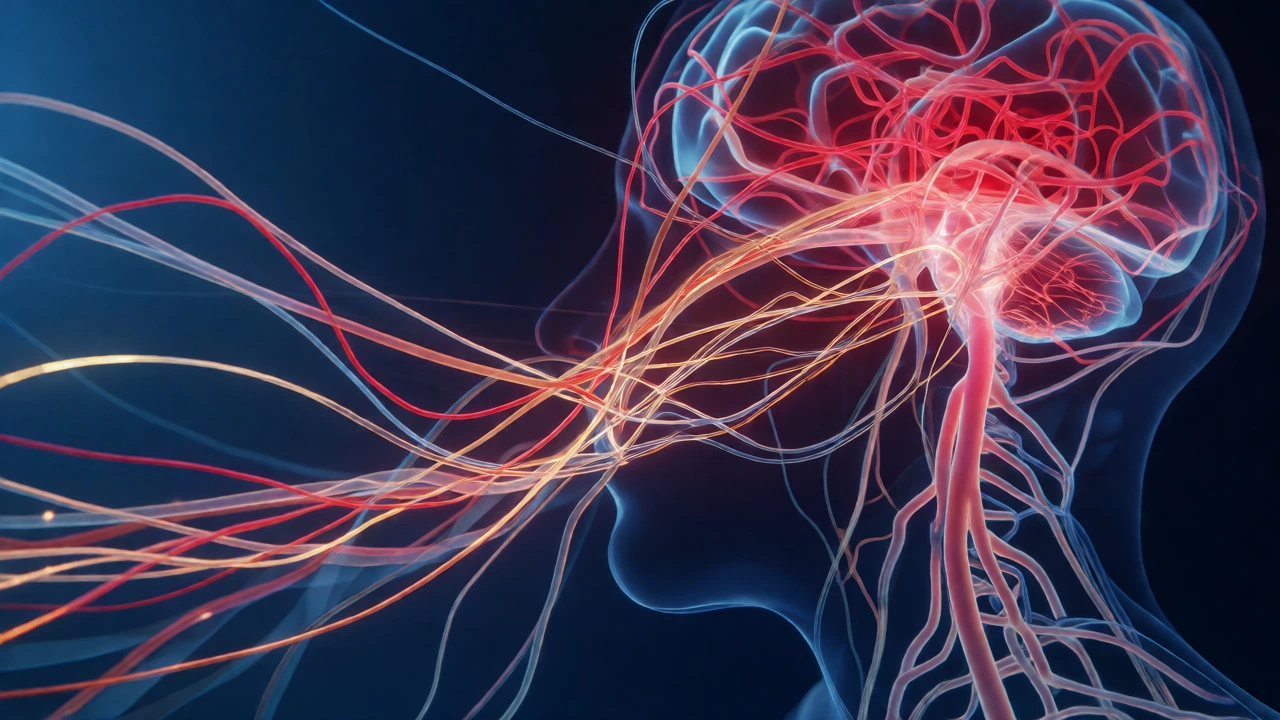
Pain isn’t just what happens at the site of injury; it’s what your brain decides to do with the information sent from there. Think of your nervous system like a home security alarm. If a burglar breaks in (tissue damage), the alarm rings. That’s acute pain-it’s useful, protective, and temporary. But in chronic pain conditions, the alarm can start ringing because the wind blew too hard, or sometimes, for no reason at all. This is central sensitization.
Here’s where things get interesting. Your thoughts, emotions, and behaviors directly influence how loud that alarm rings. If you believe your pain is dangerous, catastrophic, or endless, your brain amplifies the signal. Stress tightens muscles, which increases pain, which causes more stress. It’s a vicious loop. CBT breaks this loop not by pretending the pain isn’t real, but by changing how you react to it.
A study published in The Lancet highlighted that psychological interventions can reduce pain intensity and improve function significantly more than usual care alone. We aren’t saying pain is "in your head" in a dismissive way. We’re saying the processing center for pain is in your head, and you have access to the controls.
How CBT Actually Works for Pain
So, what does this actually look like in practice? You don’t lie on a couch analyzing your childhood. Modern pain-focused CBT is practical, structured, and action-oriented. It typically involves a series of sessions with a therapist who specializes in health psychology or pain management. Here are the core components:
- Identifying Triggers and Thoughts: You learn to spot the automatic negative thoughts that spike pain. For example, thinking "If I move, I’ll damage myself further" leads to fear-avoidance behavior.
- Behavioral Experiments: You test these beliefs. If you think walking will cause severe flare-ups, you might try a short, gentle walk and record the actual outcome versus the predicted catastrophe.
- Pacing Activities: Many chronic pain sufferers fall into the "boom and bust" cycle-doing too much on good days and crashing for days afterward. CBT teaches you to pace activities consistently to maintain stability.
- Relaxation Techniques: Deep breathing, progressive muscle relaxation, and mindfulness help downregulate the sympathetic nervous system, lowering the volume of the pain alarm.
It’s not magic. It requires work. But unlike medication, which wears off, the skills you build stick around. A meta-analysis in the Cochrane Database of Systematic Reviews found that CBT provides long-term benefits for disability and pain coping, effects that often outlast pharmaceutical interventions.
Why Is It Overlooked?
If CBT works so well, why isn’t everyone doing it? Several barriers exist, particularly here in New Zealand and similar healthcare systems.
First, there’s stigma. Many people feel embarrassed being referred to a psychologist for a physical issue. They worry others will think they’re "imagining" the pain. Second, accessibility. Finding a therapist trained specifically in pain psychology can be tough. General counselors might know anxiety, but pain has its own unique language and mechanisms. Third, cost. While public health services offer referrals, wait times can be months. Private sessions add up quickly.
However, the landscape is shifting. Telehealth options have exploded since 2020, making specialized care more accessible. Apps like Curable or digital CBT programs offer structured modules that can supplement face-to-face therapy. These tools teach the same principles-cognitive restructuring, graded exposure-at a fraction of the cost.
Comparing Pain Management Approaches
To understand where CBT fits, let’s compare it with other common methods. No single approach is a silver bullet; often, a multimodal strategy works best. But understanding the strengths and weaknesses helps you make informed choices.
| Method | Primary Mechanism | Best For | Limitations |
|---|---|---|---|
| Medication (NSAIDs/Opioids) | Blocks pain signals or inflammation chemically. | Acute pain, short-term relief. | Side effects, tolerance, dependency risks, doesn't address root cause. |
| Physical Therapy | Strengthens muscles, improves mobility, corrects mechanics. | Musculoskeletal pain, post-surgery recovery. | Can be painful initially, requires consistency, may miss psychological drivers. |
| Cognitive Behavioral Therapy (CBT) | Rewires pain perception, changes behavioral responses. | Chronic pain, fibromyalgia, neuropathic pain, high anxiety/stress levels. | Requires active participation, time commitment, access to specialists. |
| Mindfulness-Based Stress Reduction (MBSR) | Increases awareness and acceptance, reduces stress reactivity. | General pain coping, stress-related exacerbations. | Takes time to master, less structured than CBT for specific thought patterns. |
Notice that CBT isn’t competing with physical therapy; it complements it. If your body is stiff, PT helps. If your mind is catastrophizing, CBT helps. Doing both yields better results than either alone.
Getting Started: Practical Steps
You don’t need a crisis to start exploring this route. If you’ve been dealing with pain for more than three months, consider adding a psychological component to your plan. Here’s how to navigate the process:
- Talk to Your GP: Explicitly ask for a referral to a clinical psychologist or counselor experienced in chronic pain. Say, "I want to explore pain psychology alongside my current treatment."
- Check Insurance Coverage: In many regions, including parts of Australia and NZ, private health insurance covers allied health visits like psychology. Know your limits.
- Try Digital Tools First: If waitlists are long, download a reputable app focused on pain CBT. Use it for two weeks to see if the concepts resonate with you.
- Keep a Pain Diary: Start recording not just pain levels (1-10), but also your mood, activity level, and key thoughts during pain spikes. This data is gold for your therapist.
Remember, the goal isn’t to eliminate every twinge of discomfort. That’s unrealistic. The goal is to reclaim your life from the tyranny of pain. To sleep better, move more freely, and stop letting fear dictate your day.

Real-Life Impact
Consider Sarah, a teacher in Auckland with chronic lower back pain. For years, she avoided lifting anything heavier than a book bag, fearing injury. Her world shrank. After six weeks of CBT, she didn’t magically heal her discs. But she learned that movement was safe. She started swimming again. Her pain scores dropped slightly, but her functional ability skyrocketed. She stopped avoiding social events. That’s the power of this method-it changes the narrative from "I am broken" to "I am managing."
This shift in identity is crucial. Chronic pain often erodes self-esteem. By actively participating in your treatment through CBT, you regain agency. You become a driver, not a passenger.
Frequently Asked Questions
Does CBT mean my pain is imaginary?
Absolutely not. CBT acknowledges that pain is a real sensory experience. It focuses on how the brain processes that sensation. Just because your reaction to pain can change doesn't mean the pain itself is fake. It means your response to it is modifiable.
How long does CBT take to show results for pain?
Most structured CBT programs for pain last between 8 to 12 sessions. Some people notice improvements in coping strategies within the first few weeks, while significant reductions in pain interference may take several months. Consistency is key.
Can I do CBT for pain on my own?
Yes, especially with guided self-help books or digital apps. However, working with a therapist is generally more effective for moderate to severe cases because they can tailor exercises to your specific triggers and provide accountability.
Is CBT better than medication?
Neither is universally "better." Medication can provide immediate relief, allowing you to engage in daily tasks. CBT offers long-term resilience and skill-building. Often, the best approach is a combination, gradually reducing reliance on meds as coping skills improve.
What if I’m skeptical about therapy helping physical pain?
Skepticism is normal. Approach it as an experiment. Try it for a set period, say four sessions, and track objective metrics like sleep quality, activity levels, and pain scores. Let the data convince you, not just the theory.
Next Steps for You
If you’re stuck in a cycle of pain and frustration, pause before reaching for the next prescription refill. Consider looking inward. Explore the connection between your mind and your body. Whether through a professional therapist or a well-structured online program, giving CBT a fair shot could be the breakthrough you’ve been waiting for. Your brain is powerful-let it work for you, not against you.