Cruelty-Free & Vegan Beauty Quiz
Can you distinguish between "cruelty-free," "vegan," and greenwashing? Take this quick quiz to test your awareness.
Quiz Complete!
0/5
Keep learning!
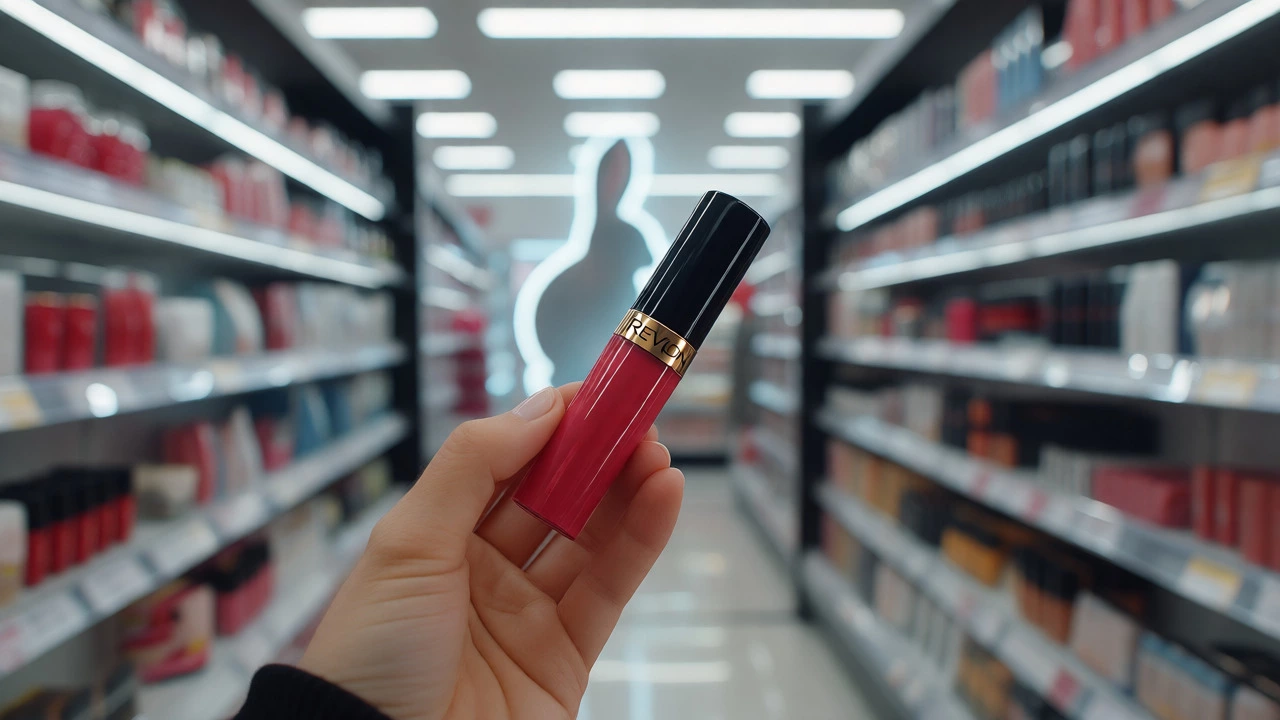
You’re standing in the drugstore aisle, holding a tube of Revlon ColorStay lipstick. It’s affordable, it’s reliable, and you’ve been using it for years. But then you pause. You see the little bunny logo on some other products, or maybe you just heard rumors online. Is Revlon actually cruelty-free? Or are those cute packaging designs hiding a darker reality?
The short answer is no. Revlon is not considered cruelty-free by most major certification bodies. And before you toss your favorite foundation in the trash, let’s unpack exactly why that is, what “cruelty-free” really means in 2026, and which alternatives might fit your budget if you want to make the switch.
Why Revlon Isn’t Certified Cruelty-Free
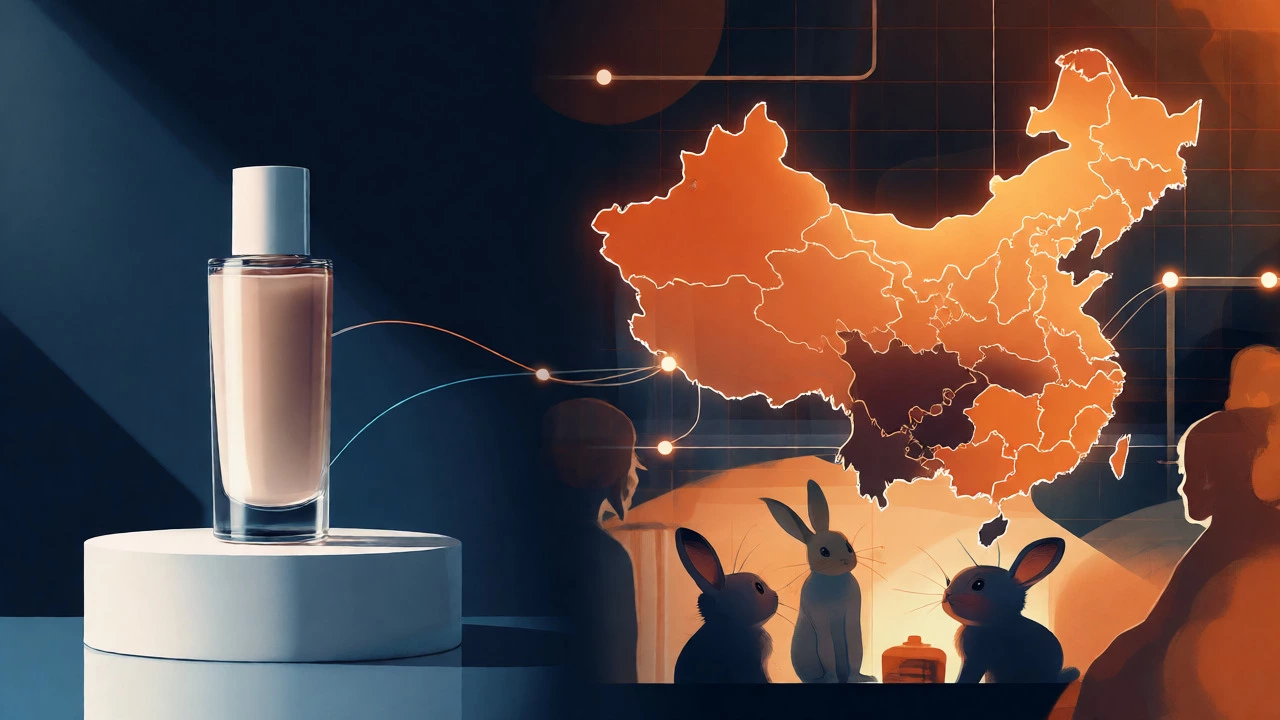
It’s easy to assume that because a brand doesn’t advertise animal testing, they don’t do it. But the issue with Revlon isn’t just about what happens in their own labs-it’s about where they sell their products. Revlon distributes its cosmetics in mainland China. Historically, Chinese regulations required mandatory animal testing for imported cosmetics. While laws have shifted recently to allow some exemptions for general cosmetics manufactured domestically in China, many international brands still fall under categories that trigger post-market testing or pre-market requirements depending on specific product claims and import channels.
Because Revlon chooses to sell in markets where animal testing can be legally mandated by government authorities, they cannot claim to be cruelty-free in the strictest sense. Organizations like PETA and Leaping Bunny draw a hard line here: if a company pays for tests to be done on animals so they can sell in certain countries, they aren’t cruelty-free. It’s a business decision driven by market access, but for conscious consumers, it’s a dealbreaker.
| Feature | Revlon | Certified Cruelty-Free Brand (e.g., Milani) |
|---|---|---|
| Animal Testing Policy | Tests where required by law (China) | No testing at any stage |
| Leaping Bunny Certified | No | Yes |
| PETA Beauty by PETA | No (Listed as "Testing") | Yes |
| Vegan Options | Limited and inconsistent labeling | Clearly marked vegan lines |
The Difference Between "Cruelty-Free" and "Vegan"
People often use these terms interchangeably, but they mean very different things. Understanding this distinction saves you from buying the wrong product when you’re trying to align your values with your vanity.
Cruelty-free refers exclusively to animal testing. A product can be cruelty-free but still contain animal-derived ingredients like beeswax, carmine (crushed beetles used for red pigment), or lanolin (sheep wool grease). Conversely, a product can be vegan-meaning it contains no animal ingredients-but still be tested on animals during development.
Revlon offers some vegan options, but they are not entirely vegan. If you are strictly avoiding animal derivatives, you need to check the ingredient list for each specific product. Carmine is a common culprit in red lipsticks and blushes, and it appears frequently in Revlon’s color range. Always look for the explicit "Vegan" label on the packaging; if it’s not there, assume it contains animal by-products unless stated otherwise.
What About Parent Companies?
This is where it gets tricky for shoppers who try to support smaller, ethical brands. Sometimes, a cruelty-free brand is owned by a larger conglomerate that does test on animals. For example, if a small indie brand is bought by a giant corporation like L’Oréal or Unilever, consumers often wonder if their money still supports animal testing.
Revlon operates independently, which simplifies things slightly. They aren’t hidden behind a parent company umbrella. However, their direct involvement in the supply chain and distribution networks in regions requiring animal testing makes them non-compliant with cruelty-free standards regardless of ownership structure. When evaluating other brands, always check if the parent company tests on animals. If the parent company tests, many strict cruelty-free advocates consider the subsidiary tainted, even if the specific brand doesn’t test directly.
Top Cruelty-Free Alternatives to Revlon
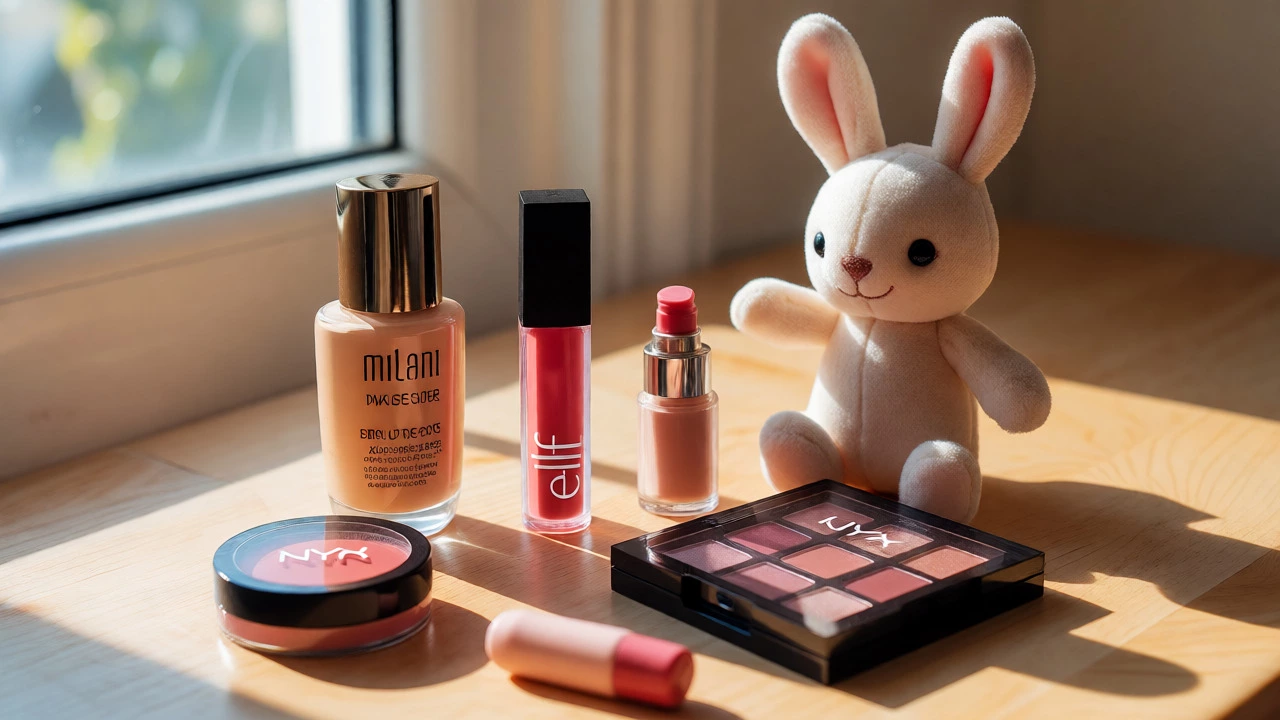
If you love Revlon’s price point and accessibility, you’re probably shopping at drugstores like Chemist Warehouse or local pharmacies. Good news: several high-quality, affordable brands are fully certified cruelty-free. Here are three solid swaps that won’t break the bank.
- Milani Cosmetics: Often called the "drugstore dupe" king. Milani is PETA-certified and cruelty-free. Their Conceal + Perfect foundation and Baked Blushes offer similar coverage and finish to Revlon’s popular items. Note: Not all Milani products are vegan, so check labels for carmine.
- e.l.f. Cosmetics: e.l.f. stands for Eyes Lips Face, and they are both cruelty-free and largely vegan. They have gained massive popularity for their brush sets and hydrating foundations. In 2024, they expanded their clean beauty line, making them a top choice for beginners looking to switch.
- NYX Professional Makeup: Owned by L’Oréal, NYX is surprisingly cruelty-free. While L’Oréal itself tests on animals, NYX maintains its own strict policy and is certified by PETA. Their lipsticks and eyeshadows rival higher-end brands in pigmentation.
How to Spot Fake Cruelty-Free Claims
Greenwashing is rampant in the beauty industry. A brand might put a cartoon bunny on the bottle without having any actual certification. To avoid being fooled, look for third-party verification. The two gold standards are Leaping Bunny and PETA’s Global Beauty Without Bunnies.
Leaping Bunny is generally considered stricter because it requires regular audits and independent monitoring of suppliers. PETA relies more on self-declaration and legal statements, though they also conduct spot checks. If you see a generic rabbit icon that says "Against Animal Testing" but lacks one of these official logos, dig deeper. Check the brand’s FAQ page or search their name on the Leaping Bunny database. If they aren’t listed, they likely aren’t truly cruelty-free.
Final Thoughts: Making the Switch
Switching away from Revlon doesn’t mean you have to spend double the amount on luxury brands. The drugstore shelves are stocked with ethical options that perform just as well. Start by replacing your everyday essentials-foundation, mascara, and lip balm-with certified cruelty-free versions. Keep an eye out for the Leaping Bunny logo, read ingredient lists for vegan status if that matters to you, and remember that consistency matters more than perfection. Every purchase is a vote for the kind of world you want to live in.
Does Revlon test on animals in 2026?
Revlon does not test on animals in-house for most of its global operations. However, because they sell in mainland China, they may be subject to mandatory animal testing required by Chinese law for certain imported cosmetics. Therefore, they are not considered cruelty-free by major certifying organizations.
Are all Revlon products vegan?
No. Revlon has some vegan-friendly products, but many contain animal-derived ingredients like carmine, beeswax, or lanolin. There is no comprehensive vegan line across the entire brand, so you must check individual product labels for vegan certification or ingredient lists.
Which drugstore brands are cruelty-free?
Popular cruelty-free drugstore brands include e.l.f. Cosmetics, Milani, NYX Professional Makeup, Essence, and Catrice. These brands are widely available in New Zealand and globally, offering affordable alternatives to Revlon.
Is Revlon owned by a parent company that tests on animals?
Revlon is an independent public company and is not owned by a larger conglomerate like Estée Lauder or L’Oréal. However, its own decision to distribute in markets requiring animal testing disqualifies it from being labeled cruelty-free.
What does the Leaping Bunny logo mean?
The Leaping Bunny logo indicates that a brand has met rigorous standards set by the Coalition for Consumer Information on Cosmetics (CCIC). This includes no animal testing at any stage of product development, including ingredients, and independent audits of the supply chain.