Cruelty-Free Knowledge Quiz
Can you navigate the complex world of ethical beauty? Answer these questions to test your understanding of what makes a brand truly cruelty-free.
Quiz Complete!
You scored:
0/4
Review Your Answers:
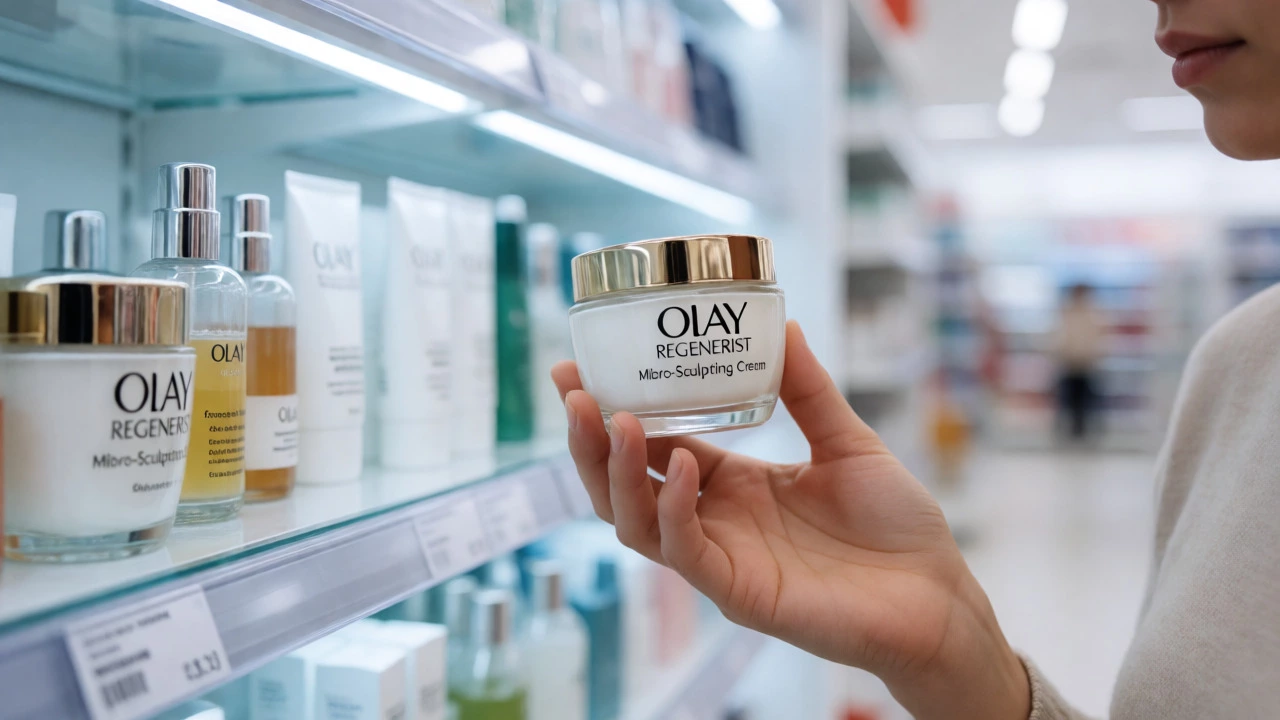
You’re standing in the drugstore aisle, holding a jar of Olay Regenerist Micro-Sculpting Cream. You love how it feels on your skin, but that little bunny logo isn’t there. Does that mean you’re supporting animal suffering every time you apply this cream? It’s a confusing landscape out there, especially when massive corporations like Procter & Gamble (P&G) are involved. The short answer right now is no, Olay is not fully cruelty-free. But the long answer involves legal loopholes, parent company decisions, and what “cruelty-free” actually means in 2026.
The Hard Truth: Why Olay Isn’t Certified Yet
Let’s cut through the marketing noise. As of late 2025 and into 2026, Olay does not carry the official certification from major cruelty-free watchdogs like Leaping Bunny or PETA’s Beauty Without Bunnies program for its entire global lineup. Why? Because Olay sells its products in mainland China. This is the critical detail that trips up most shoppers.
China has historically required mandatory animal testing for imported cosmetics. While regulations have shifted significantly in recent years-allowing some general cosmetics to bypass animal tests if they meet specific safety standards-there remains ambiguity and risk. If a brand chooses to sell physically in stores in mainland China, they often accept the possibility that their products could be subject to post-market animal testing by Chinese authorities. For strict cruelty-free consumers, this potential exposure disqualifies the brand, regardless of whether the company itself performs the tests.
Olay’s stance is that they do not test on animals unless required by law. This is a common defense among large multinational brands. They argue that they are working to change laws globally. However, until those laws change completely and Olay withdraws from markets requiring such testing, they cannot claim the title of "cruelty-free" in the same way smaller, indie brands can.
The Parent Company Factor: Procter & Gamble
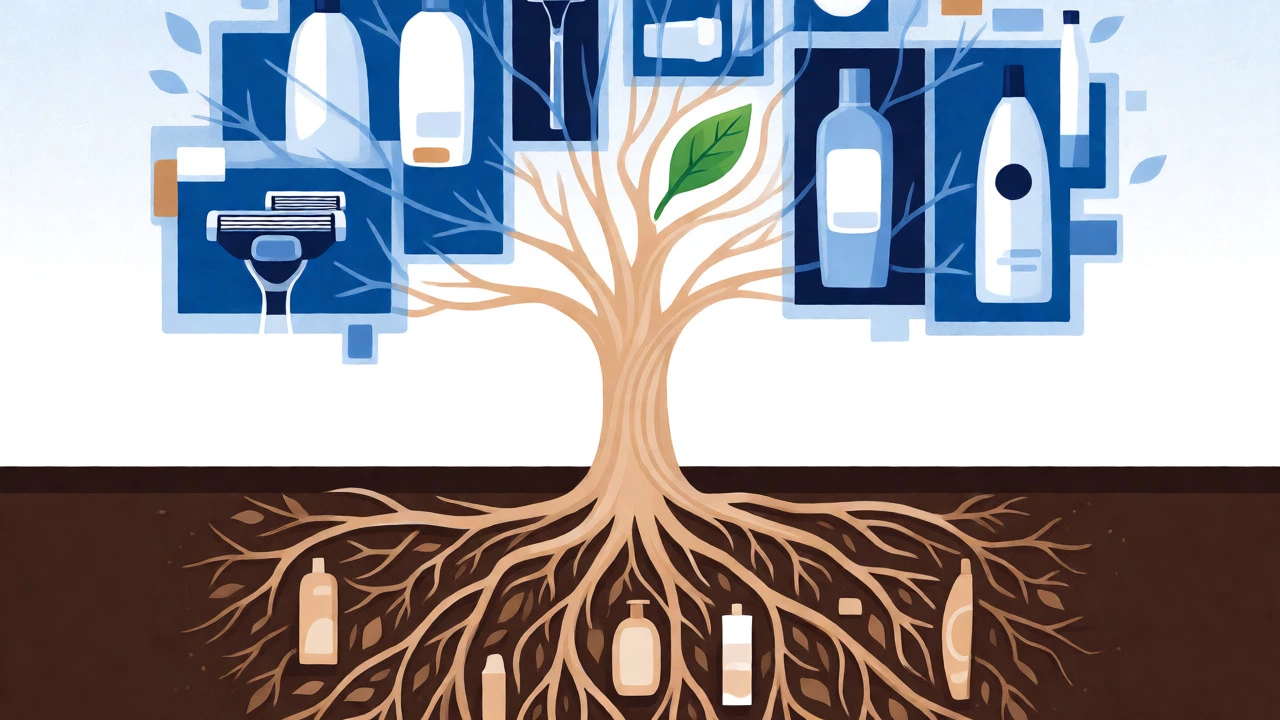
You might think, "I only buy Olay, so who cares about the parent company?" Well, if you care about where your money goes, you should. Olay is owned by Procter & Gamble, a consumer goods giant that owns dozens of other brands, including Gillette, Head & Shoulders, and Pantene. P&G as a corporation is not considered cruelty-free because they still engage in or fund animal testing for various product lines across their portfolio.
This creates a financial reality check. When you buy an Olay moisturizer, you aren’t just funding the development of hyaluronic acid serums; you’re contributing revenue to a conglomerate that may use animal testing for other products, such as certain household cleaners or pharmaceutical ingredients. Some ethical consumers decide to boycott all P&G brands for this reason, while others draw the line at the individual product level. It’s a personal choice, but knowing the ownership structure helps you make it consciously.
Vegan vs. Cruelty-Free: Don’t Mix Them Up
Here is where many people get tripped up. A product can be vegan but not cruelty-free, and vice versa. Let’s break down the difference using Olay as our case study.
Vegan means the product contains no animal-derived ingredients. No beeswax, no carmine, no lanolin. Olay has launched several vegan-friendly formulations, particularly in their newer "Clean" or plant-based lines. You can often find a "vegan" label on specific jars.
Cruelty-free refers to the testing process. Did anyone hurt an animal to prove this cream is safe? Even if an Olay jar says "100% Vegan," it doesn’t automatically mean it’s cruelty-free. If that vegan formula was tested on rabbits in a lab to satisfy regulatory requirements in a specific country, it fails the cruelty-free test. Always look for both labels separately. Just because it’s plant-based doesn’t mean no one suffered for it.
| Feature | Olay (Current Status) | Certified Cruelty-Free Brand |
|---|---|---|
| Animal Testing Policy | Tests where required by law (e.g., China) | No testing anywhere, ever |
| Certification | None (Global) | Leaping Bunny / PETA |
| Parent Company | P&G (Not cruelty-free) | Independent or CF-owned |
| Vegan Options | Yes, select products | Varies by brand |
| Price Point | Affordable ($10-$30) | Variable ($15-$50+) |
What Is Actually Changing? The Shift Toward Alternatives
It’s not all bad news. The beauty industry is moving away from animal testing faster than ever before. In 2026, we are seeing a surge in non-animal testing methods. These include in vitro testing (using human cells in a dish), computer modeling, and tissue engineering. Olay has invested heavily in these technologies. Their labs are increasingly using reconstructed human epidermis models to test for irritation instead of shaving rabbits’ backs.
Furthermore, regulatory changes in China have opened doors. Since 2021, China allowed "general cosmetics" (like shampoo, soap, and makeup) to skip pre-market animal testing if they had good safety records. Skincare, however, often falls into stricter categories depending on claims made (like "anti-aging" or "SPF"). Olay is actively lobbying for broader acceptance of alternative methods globally. They’ve stated goals to eliminate animal testing entirely, but corporate timelines are notoriously slow compared to activist demands.
If you’re hoping for a sudden flip in policy, don’t hold your breath. Major corporations move based on profit margins and regulatory certainty. Until selling in China without animal testing is 100% guaranteed legally, Olay will likely keep that asterisk next to their "no animal testing" claim.

Should You Switch? Practical Advice for Your Routine
So, do you need to throw out your half-used bottle of Olay Retinol 24? Probably not. Here is a practical way to handle this dilemma:
- Finish what you have: Buying new products creates more waste. Use up your current Olay items. There’s no ethical penalty for finishing a product you already bought.
- Check the specific SKU: Not all Olay products are created equal. Some regional variations might not be sold in China. If you buy Olay exclusively from US-only online retailers that source locally, you *might* avoid the China-testing link, but verify with the retailer.
- Look for certifications: If strict cruelty-free status is non-negotiable for you, switch to brands with the Leaping Bunny logo. This logo requires independent audits, which is much harder to fake than a self-declared "we don't test" statement.
Consider alternatives that offer similar efficacy. For retinol, look at brands like The Ordinary or Paula’s Choice, which have clearer stances on testing. For hydration, CeraVe is another big-box staple, though they also face similar scrutiny regarding their parent company, L'Oréal. True independence often comes with a higher price tag, so weigh your budget against your ethics.
The Future Outlook: Will Olay Ever Be Fully Cruelty-Free?
Will we see an official announcement from P&G declaring Olay cruelty-free in the next two years? It’s possible, but unlikely to happen quickly. The barrier isn’t science-it’s logistics and law. To become fully certified, Olay would likely need to either stop selling in physical stores in mainland China or wait for China to fully ban all cosmetic animal testing nationwide. The latter is happening slowly, province by province.
Keep an eye on press releases from P&G’s sustainability reports. They publish annual updates on their "Beauty & Grooming" sector. If they announce a partnership with a certifying body like Leaping Bunny, that’s your green light. Until then, treat Olay as a "working toward" brand rather than a "certified" one.
Does Olay test on animals directly?
Olay states that they do not test on animals unless required by law. However, because they sell in countries like mainland China where animal testing may be mandated for imported products, they are not considered cruelty-free by strict standards. They may pay third parties to conduct these tests to comply with local regulations.
Is Olay owned by a cruelty-free parent company?
No. Olay is owned by Procter & Gamble (P&G). P&G is not a cruelty-free company because they own multiple brands that are sold in markets requiring animal testing. Purchasing Olay contributes revenue to the wider P&G ecosystem.
Are all Olay products vegan?
No. While Olay has introduced vegan options in recent years, many of their classic formulas still contain animal-derived ingredients like beeswax or lanolin. You must check the ingredient list or look for a specific "Vegan" label on the packaging of each individual product.
Why isn't Olay PETA certified?
PETA's "Beauty Without Bunnies" program generally requires that a company and its suppliers do not conduct, commission, or pay for any tests on animals. Because Olay allows for testing where legally required (specifically in China), they do not meet the strict criteria for full certification under current PETA guidelines.
Can I trust the "Cruelty-Free" claim on Olay bottles?
Be cautious. Marketing terms are not regulated the same way as certifications. If a bottle says "Against Animal Testing," it usually means the company doesn't perform tests in-house. It does not guarantee that no animals were harmed in the supply chain or due to government mandates abroad. Always look for third-party logos like Leaping Bunny for verification.