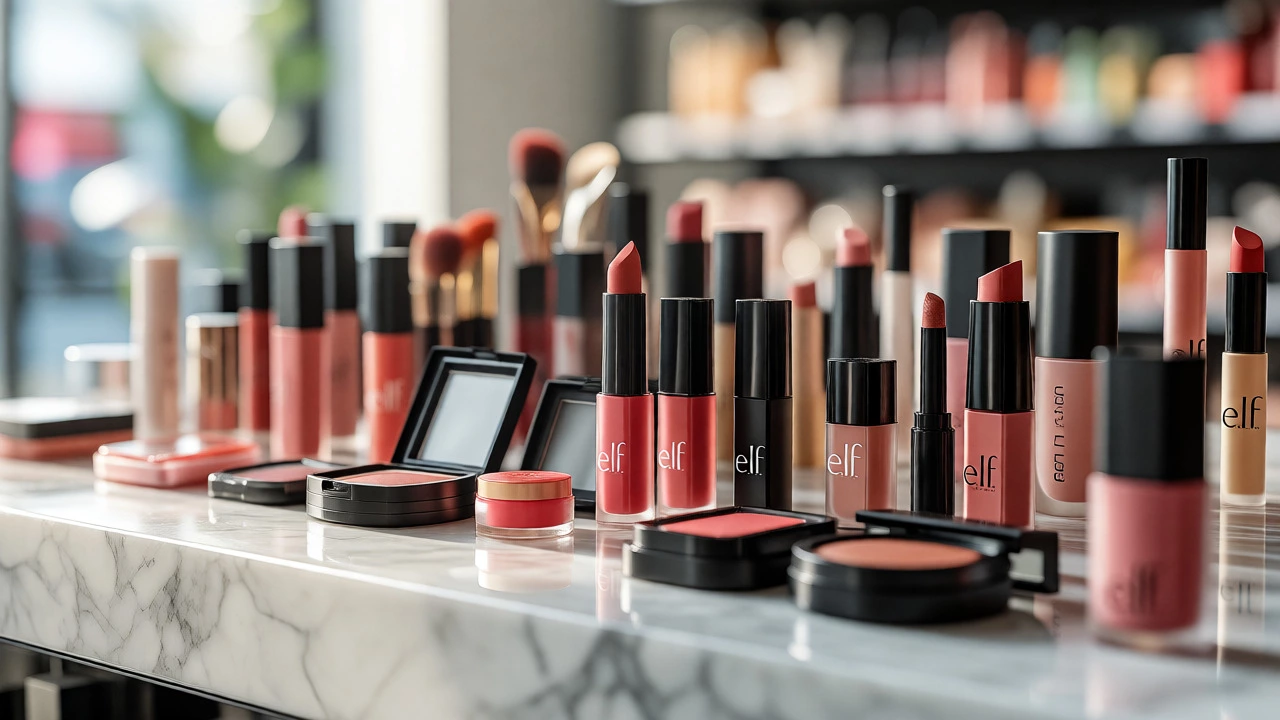
Cruelty-Free & Vegan Beauty Quiz
Think you know what makes a brand truly ethical? Take this quick quiz based on e.l.f.'s policies and general industry standards to test your awareness of animal testing loopholes, certifications, and ingredient sourcing.
Question 1 of 5
Loading question...
Quiz Complete!
You are an ethical shopping expert!
Key Takeaways:
- Cruelty-Free means no animal testing at any stage (product or ingredients).
- Vegan means no animal-derived ingredients (like beeswax or carmine).
- e.l.f. is both Cruelty-Free and Vegan.
- Look for Leaping Bunny or PETA logos for verification.
You’re standing in the aisle of a drugstore or scrolling through an online cart, eyeing that e.l.f. cosmetics brand known for its affordable price point and trendy packaging. You want to buy it, but you have a strict rule: no animals were harmed in the making of this lipstick. It’s a valid concern. With so many greenwashing tactics out there, how do you know if a budget-friendly brand like e.l.f. is actually telling the truth about their ethical stance?
The short answer is yes, e.l.f. is widely considered cruelty-free. But "cruelty-free" is a loaded term in the beauty industry. It doesn’t automatically mean vegan, and it doesn’t always guarantee zero animal testing across every single market they sell in. If you are trying to build a conscious beauty routine, you need to understand the nuances behind the logo on the box. This guide breaks down exactly what e.l.f.’s policy means for your shopping list, where they stand compared to other major players, and how to spot the difference between marketing fluff and genuine ethical standards.
What Does "Cruelty-Free" Actually Mean for e.l.f.?
When we say a brand is cruelty-free, we aren’t just talking about whether they kicked a puppy during product development. The definition is specific. For a brand to be truly cruelty-free, three conditions must be met:
- The company does not test its finished products on animals.
- The company does not test its individual ingredients on animals.
- The company does not pay third parties (like labs or suppliers) to conduct animal testing on their behalf.
e.l.f. Cosmetics meets all three of these criteria. They have been vocal about their commitment since their early days in the late 1990s. Unlike some legacy brands that only recently changed their policies due to public pressure, e.l.f. built its identity around being accessible and ethical from the start. They state clearly on their website that they do not test on animals anywhere in the world, nor do they allow others to do it for them.
However, context matters. Many consumers worry about the "China loophole." Historically, mainland China required mandatory animal testing for imported cosmetics. If a brand sold physical products in stores in mainland China, they could not claim to be fully cruelty-free because Chinese law might force post-market animal testing. e.l.f. has navigated this carefully. As of recent years, they have expanded into global markets, including Asia. The key distinction is how they enter those markets. If they sell via cross-border e-commerce (online direct-to-consumer), they often bypass the mandatory animal testing laws that apply to brick-and-mortar retail imports. Always check the most current status if you see new international launches, but for now, e.l.f. maintains its cruelty-free status by avoiding mandatory testing requirements in strict regulatory environments.
Vegan vs. Cruelty-Free: Why e.l.f. Is Both
This is where people get tripped up. Cruelty-free refers to the testing process. Vegan refers to the ingredients. A product can be cruelty-free but contain beeswax, carmine (crushed beetles), or lanolin (sheep’s wool grease). Conversely, a product can be vegan but still be tested on animals before hitting the shelf.
e.l.f. stands out because they are both cruelty-free and 100% vegan. This is rare for a mass-market drugstore brand. Most competitors offer a mix: a few vegan options here, some non-vegan classics there. e.l.f. reformulated their entire lineup to eliminate animal-derived ingredients. If you look at their ingredient lists, you won’t find carmine in their red lipsticks or collagen in their primers. They use synthetic alternatives and plant-based extracts instead.
| Brand | Cruelty-Free Status | Vegan Status | Parent Company | Price Point |
|---|---|---|---|---|
| e.l.f. | Yes (Certified) | 100% Vegan | Independent (Publicly Traded) | Budget ($5-$15) |
| Maybelline | No (Tests where required by law) | Mixed | L'Oréal Group | Budget-Mid |
| L'Oréal Paris | No (Tests where required by law) | Mixed | L'Oréal Group | Budget-Mid |
| NYX Professional Makeup | Yes (L'Oréal owned but separate policy) | Mostly Vegan (Check labels) | L'Oréal Group | Budget-Mid |
| Wet n Wild | Yes | Mostly Vegan (Some exceptions) | Revlon Group | Budget |
The table above highlights why e.l.f. is a go-to for ethical shoppers on a budget. While NYX is also cruelty-free under the L'Oréal umbrella, they are not 100% vegan. You still need to check individual labels for beeswax or keratin. With e.l.f., you can grab almost any item off the shelf without reading the fine print, which saves time and reduces decision fatigue.
The Certification Seal: Who Backs Up These Claims?
Trust, but verify. Brands can say whatever they want on their packaging. That’s why third-party certifications matter. e.l.f. holds two major certifications that validate their claims:
- PETA Beauty (Global Beauty Without Bunnies): PETA requires companies to sign a statement of assurance and provide supporting documentation regarding their animal testing policies. They also require re-signing this statement annually. e.l.f. has been listed as cruelty-free by PETA for over a decade.
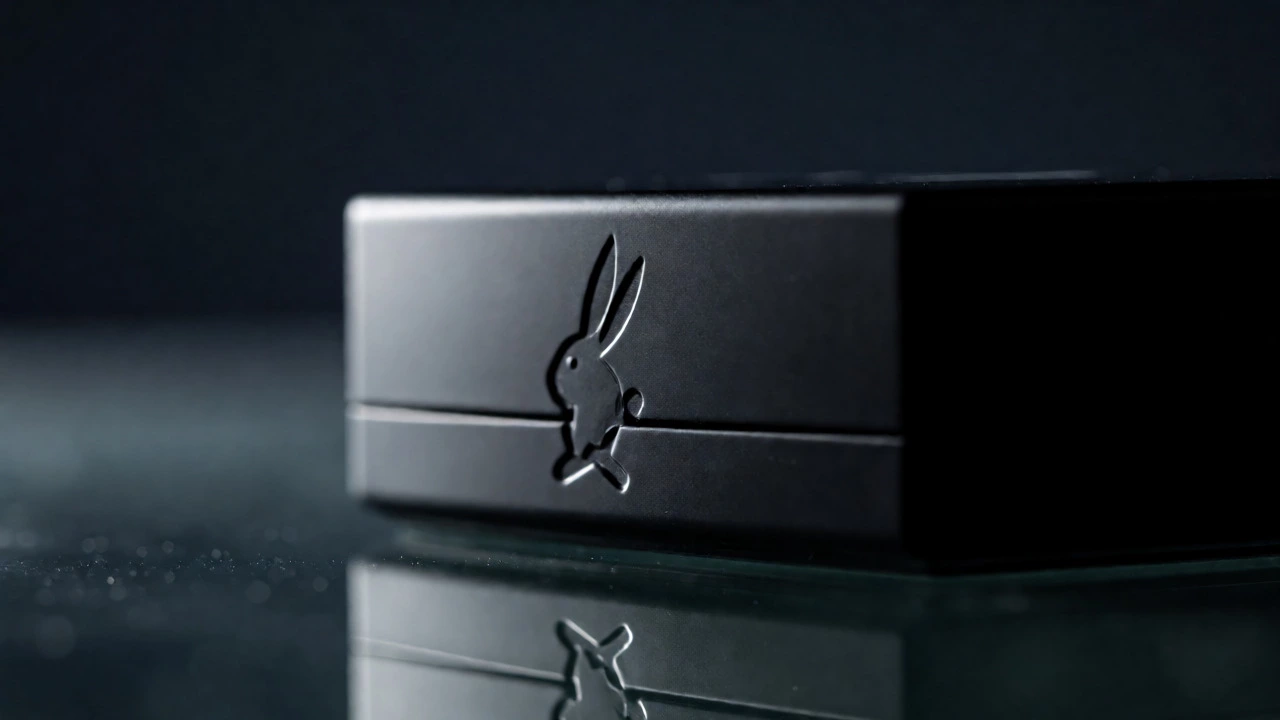
- Leaping Bunny Program: This is widely considered the gold standard. Administered by the Coalition for Consumer Information on Cosmetics (CCIC), Leaping Bunny requires a rigorous audit of the supply chain. They don’t just take the company’s word; they investigate ingredient suppliers to ensure no animal testing occurs at the raw material level. e.l.f. carries the Leaping Bunny logo, meaning they passed this stricter vetting process.
Having the Leaping Bunny seal is significant. It means e.l.f. isn’t just avoiding final-product testing; they are ensuring that the mica mined for their eyeshadows or the pigments used in their blushes weren’t tested on animals by a supplier halfway across the world. This supply chain transparency is what separates serious ethical brands from those doing the bare minimum.
Is e.l.f. Owned by a Parent Company That Tests on Animals?
A common objection from strict cruelty-free advocates is the "parent company" issue. Some consumers refuse to buy from brands owned by large conglomerates like Unilever, Procter & Gamble, or L'Oréal, arguing that buying from the subsidiary indirectly funds the parent company’s less ethical divisions.
e.l.f. offers a solution to this dilemma. They are not owned by a major multinational corporation that tests on animals. e.l.f. Beauty, Inc. is a publicly traded company (NYSE: ELF). While they have investors, they operate independently. They do not funnel profits to a parent company that sells non-cruelty-free products in China or elsewhere. This makes them a favorite among vegans who want to avoid "voting with their wallet" for corporations like Estée Lauder or Coty, whose broader portfolios include brands that do test on animals.
If you follow the strictest interpretation of cruelty-free living-where you avoid any brand connected to a testing parent-e.l.f. passes the test. If you are more flexible and care primarily about the specific product’s impact, e.l.f. is even easier to justify. Either way, you aren’t subsidizing a giant corporation’s animal testing practices with your purchase of $4 eyeliner.
Product Spotlight: Best e.l.f. Items for Your Routine
Knowing the brand is ethical is one thing; knowing what to buy is another. Because everything is vegan and cruelty-free, you can experiment freely. Here are a few standout products that perform well against higher-end competitors:
- e.l.f. Camo Liquid Blush: This went viral for a reason. It’s highly pigmented, long-lasting, and costs around $6. The formula uses plant-derived emollients instead of animal fats, giving it a creamy texture that blends easily without looking cakey.
- e.l.f. Putty Primer: Often compared to Benefit’s Porefessional, this primer fills pores and smooths skin texture. It’s silicone-based and free of animal derivatives, making it a safe bet for vegans with sensitive skin.
- e.l.f. Bite Size Lip Kits: These mini lipsticks are perfect for testing shades. Since they are small, you can try bold colors without committing to a full-size tube. All shades are vegan, including the deep reds that usually rely on carmine in other brands.
- e.l.f. Halo Glow Liquid Filter: A dupe for high-end highlighters, this adds a dewy glow to the skin. It’s lightweight and works well over foundation or alone. The lack of animal testing and ingredients makes it a staple for clean beauty routines.
These examples show that ethical constraints haven’t compromised performance. In fact, many users report that e.l.f. products outperform mid-range brands that aren’t explicitly marketed as vegan. The formulation teams focus heavily on synthetic alternatives that mimic the benefits of animal-derived ingredients, such as using candelilla wax instead of beeswax for structure in lipsticks.
How to Spot Greenwashing in Other Brands
Since you’re interested in e.l.f.’s ethics, you’ll likely encounter other brands claiming similar virtues. Be careful. "Natural," "clean," and "eco-friendly" are unregulated terms. A brand can call itself "natural" while still testing on animals or containing hidden animal byproducts.
Here’s a quick checklist to evaluate any brand’s cruelty-free claim:
- Look for the Logo: Do they have the Leaping Bunny or PETA logo on the packaging or website footer? If not, be skeptical.
- Check the FAQ: Reputable brands have a dedicated page answering "Do you test on animals?" Vague answers like "We strive to be cruelty-free" are red flags.
- Investigate Market Presence: Do they sell in mainland China stores? If yes, ask specifically about pre-market vs. post-market testing exemptions. Many brands now use "cross-border e-commerce" to stay cruelty-free, but you need confirmation.
- Read Ingredient Lists: Even if a brand is cruelty-free, it might not be vegan. Watch out for Carmine (CI 75470), Lanolin, Shellac, and Keratin if you are vegan.
e.l.f. simplifies this process by removing the guesswork. You don’t need to decode obscure chemical names or research corporate ownership structures every time you shop. This accessibility is part of why they remain popular beyond just the ethical community-they make conscious consumerism easy.
Frequently Asked Questions
Is e.l.f. really 100% vegan?
Yes, e.l.f. Cosmetics is 100% vegan. This means none of their products contain animal-derived ingredients such as beeswax, carmine, lanolin, or collagen. They have reformulated their entire inventory to use plant-based and synthetic alternatives, ensuring that every item, from mascara to moisturizer, is suitable for vegans.
Does e.l.f. sell in China where animal testing is required?
e.l.f. has expanded globally, including into Asian markets. However, they maintain their cruelty-free status by utilizing cross-border e-commerce channels and adhering to regulations that exempt certain categories from mandatory animal testing. They do not allow their products to be tested on animals, even if it means limiting physical retail presence in regions with strict testing laws. Always check their latest official statement for real-time updates on specific regional distribution methods.
Who owns e.l.f. Cosmetics?
e.l.f. Beauty, Inc. is an independent, publicly traded company listed on the New York Stock Exchange. It is not owned by a larger conglomerate like L'Oréal, Unilever, or Estée Lauder. This independence allows e.l.f. to maintain strict cruelty-free and vegan standards without pressure from a parent company that may test on animals for other brands in its portfolio.
Are e.l.f. brushes made from animal hair?
No, e.l.f. brushes are made from synthetic fibers. They do not use goat, squirrel, or pony hair in their brush lines. This aligns with their overall vegan philosophy and ensures that no animals are harvested for their tools. The synthetic bristles are designed to mimic the softness and application quality of natural hair while being easier to clean and hypoallergenic.
Is e.l.f. better than Maybelline for ethical shoppers?
For ethical shoppers, e.l.f. is generally considered superior to Maybelline. Maybelline is owned by L'Oréal, a group that sells products in mainland China where animal testing may be required by law. Additionally, Maybelline is not 100% vegan, whereas e.l.f. is certified cruelty-free by Leaping Bunny and PETA and offers exclusively vegan formulations. If animal welfare is your top priority, e.l.f. provides a clearer, more consistent ethical standard.