Cruelty-Free Brand Checker
Select a brand below to see its current status regarding animal testing, certifications, and global sales risks.
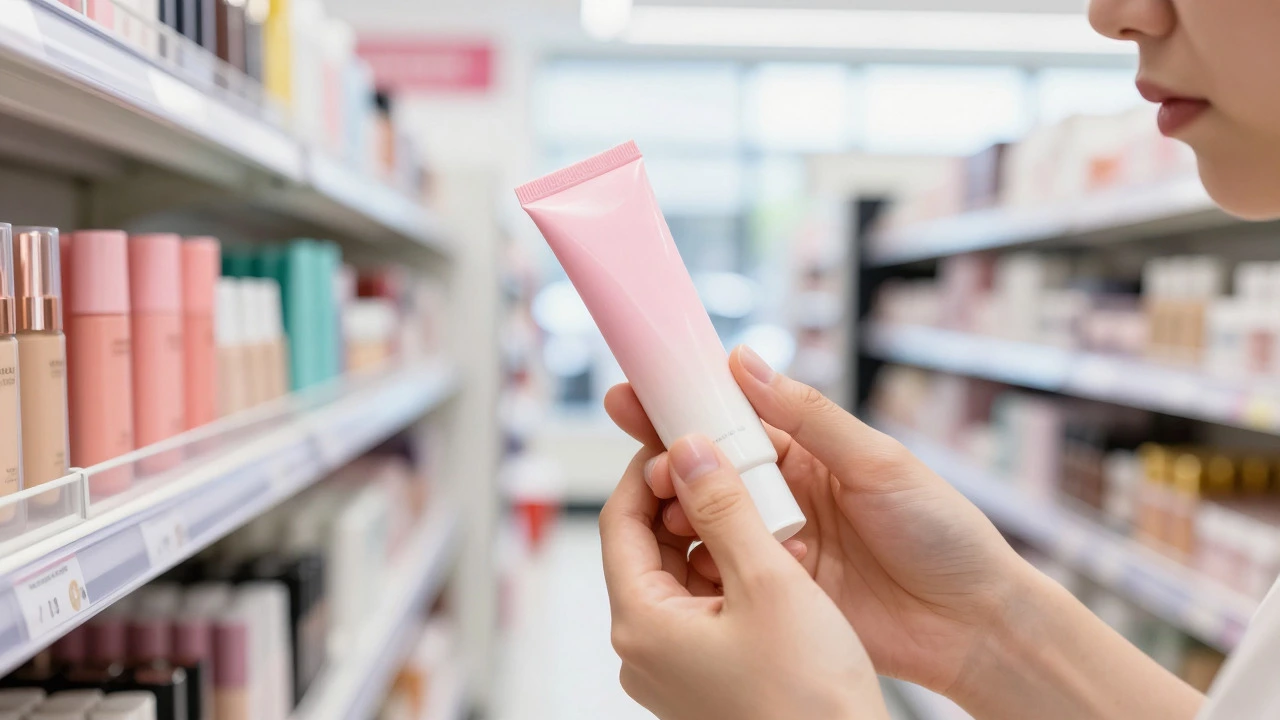
You might be standing in the aisle, holding a tube of CoverGirl is a major American makeup brand owned by Coty Inc. that produces affordable beauty products including foundation, mascara, and lipsticks. It is widely recognized for its inclusive shade ranges and accessible pricing. thinking, "Is this really free from animal testing?" It’s a fair question. The label isn’t always clear, and marketing can be misleading. Let’s cut through the noise and look at exactly where CoverGirl stands in 2026 regarding cruelty-free standards.
The Short Answer: It Complicated
So, is CoverGirl cruelty-free? The honest answer is: it depends on how you define the term. If you mean "does the brand test finished products on animals in their own labs?" then probably not. But if you mean "is every single product sold globally guaranteed to have zero animal involvement anywhere in the supply chain?" then the answer leans toward no.
CoverGirl does not conduct animal testing on its products unless required by law. This is a common stance among large corporations. However, the catch lies in the word "law." In certain countries, specifically China (until recent regulatory shifts) and Morocco, foreign cosmetics often required mandatory pre-market animal testing. Because CoverGirl sells in these regions, some purists argue it cannot claim full cruelty-free status.
Understanding the Certifications
To get a clearer picture, we need to look at the big names in animal welfare certification: Leaping Bunny and PETA.
- Leaping Bunny: Considered the gold standard. It requires rigorous audits of the entire supply chain, ensuring no animal testing occurs at any stage, including raw materials. As of 2026, CoverGirl is not certified by Leaping Bunny.
- PETA (People for the Ethical Treatment of Animals): Their "Beauty Without Bunnies" program lists brands that do not test on animals. CoverGirl has appeared on PETA’s list in the past, but this designation is less strict than Leaping Bunny. PETA relies heavily on self-reporting from brands rather than independent third-party audits of suppliers.
This distinction matters. If you only care about the brand itself not using lab mice, CoverGirl might fit your criteria. But if you want a verified, end-to-end guarantee that no supplier tested ingredients on animals, you’ll likely look elsewhere.
The China Factor and Global Sales
For years, selling makeup in mainland China meant passing through animal tests. While regulations have evolved, allowing more general cosmetics to enter without mandatory testing under certain conditions, the landscape remains complex for mass-market brands like CoverGirl. Since Coty Inc. maintains a broad global distribution network, there is a higher risk that some batches or specific regional formulations may still involve testing to comply with local import laws.
If you live in the US, UK, or EU, the products you buy locally are generally not subject to those specific export tests. However, the lack of a universal certification means you’re taking a small gamble on the supply chain integrity for raw materials sourced globally.

Comparison: CoverGirl vs. Certified Alternatives
If strict cruelty-free status is a dealbreaker for you, here is how CoverGirl stacks up against brands that hold the highest certifications.
| Brand | Leaping Bunny Certified? | PETA Listed? | Sells in China? | Price Point |
|---|---|---|---|---|
| CoverGirl | No | Yes (Historically) | Yes | Affordable ($5-$15) |
| e.l.f. Cosmetics | Yes | Yes | Limited/No Mandatory Testing | Affordable ($4-$12) |
| Lush Cosmetics | Yes | Yes | Yes (But Exempt via Supply Chain) | Moderate ($10-$30) |
| The Ordinary | Yes | Yes | No | Moderate ($8-$25) |
Notice that e.l.f. offers a similar price point to CoverGirl but holds the Leaping Bunny seal. For many consumers, this makes it a safer bet if ethical sourcing is the priority. Lush, while pricier, has a long-standing reputation for transparency, even though they sell in markets that traditionally required testing, because they structure their supply chains to avoid it.
What About Vegan Products?
Don’t confuse cruelty-free with vegan. A product can be cruelty-free (no animal testing) but still contain animal-derived ingredients like beeswax, lanolin, or carmine. Conversely, a product can be vegan (no animal ingredients) but still be tested on animals.
CoverGirl offers a growing line of vegan-friendly options, particularly in their foundation and lipstick ranges. However, just because a box says "Vegan" doesn’t automatically mean it’s cruelty-free. You still need to check the animal testing status separately. For example, their TruBlend foundation line includes vegan shades, but the brand as a whole isn’t fully certified cruelty-free.
How to Verify Before You Buy
If you decide to give CoverGirl another chance, here is a quick checklist to ensure you’re making an informed choice:
- Check the Packaging: Look for the Leaping Bunny logo. If it’s missing, assume it’s not certified.
- Review Recent News: Regulatory changes happen fast. Check if Coty Inc. has updated its global policy in the last 12 months.
- Consider Your Region: If you buy exclusively from US retailers, the risk of direct animal testing on your specific item is lower than if you were importing from a region with stricter mandates.
- Look at Ingredients: Use apps like Yuka or CodeCheck to scan barcodes. They often flag whether a brand is certified or not based on current databases.
Ultimately, "cruelty-free" is a spectrum. Some shoppers accept the "unless required by law" disclaimer as good enough, especially when the price is right. Others demand the ironclad guarantee of a third-party audit. There is no wrong way to shop, but knowing the difference helps you align your purchases with your values.
Frequently Asked Questions
Is CoverGirl owned by a company that tests on animals?
CoverGirl is owned by Coty Inc. Coty does not test on animals unless required by law. However, because Coty sells in many countries globally, the "required by law" clause creates ambiguity for strict cruelty-free advocates.
Does CoverGirl use rabbit testing for new formulas?
There is no public evidence that CoverGirl conducts routine rabbit testing in-house for new formulas in the US market. Most testing is done via alternative methods like cell cultures or human trials. However, without Leaping Bunny certification, independent verification of the entire supply chain is lacking.
Are all CoverGirl foundations vegan?
No. Only specific lines, such as the TruBlend and Cling-a-Long ranges, offer vegan options. You must check the individual product description or ingredient list for terms like beeswax, lanolin, or carmine to confirm if a specific foundation is vegan.
Why isn't CoverGirl on the Leaping Bunny list?
Leaping Bunny requires brands to certify that neither they nor their suppliers test on animals, regardless of where the product is sold. Because CoverGirl sells in markets that may require animal testing for imports, they have historically chosen not to pursue this specific certification, opting instead for broader market access.
What is a better cruelty-free alternative to CoverGirl?
e.l.f. Cosmetics is often cited as the closest alternative in terms of price and quality. It is Leaping Bunny certified and offers a wide range of makeup products. Other options include The Balm and Physicians Formula, both of which hold strong cruelty-free reputations.