Chronic Pain Self-Management Score
This tool helps you evaluate how well your current lifestyle and medical approach align with best practices for managing chronic pain. Answer honestly to receive tailored advice.
Result Category
Analysis will appear here.
Personalized Recommendations
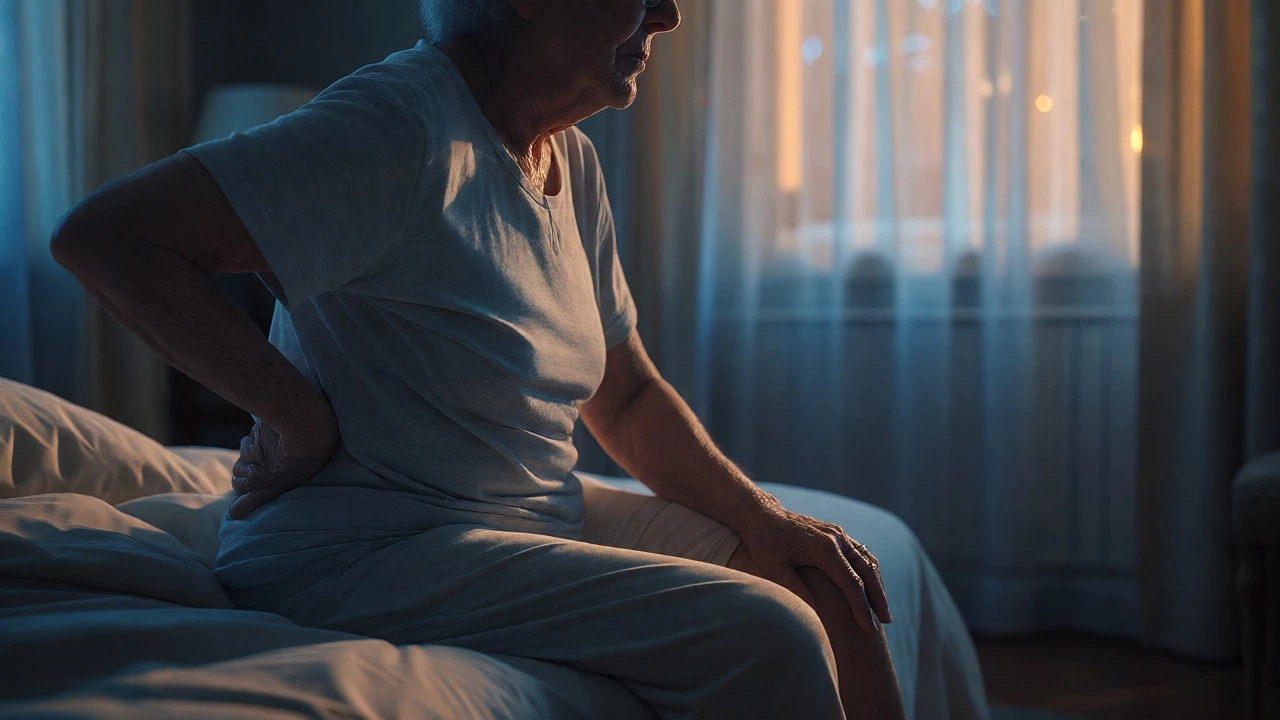
You wake up, and before your feet hit the floor, you know it’s going to be a bad day. The stiffness is there. The ache in your lower back or the throbbing in your knees is already loud. For years, you’ve treated this sensation like an enemy that needs to be defeated. You take pills, you ice, you heat, you rest, and you wait for it to leave. But it doesn’t leave. It stays. And slowly, without you noticing until it’s too late, your world shrinks. You stop hiking because of the knees. You stop playing with your grandkids because of the back. You stop going out because of the fatigue.
Here is the hard truth that most medical appointments skip over: Chronic Pain is not just a symptom; it is a condition of its own. Unlike acute pain, which tells you something is broken (like a cut finger), chronic pain persists long after tissue healing should have occurred. It changes how your brain processes signals. If you keep fighting it as if it were a simple injury, you will lose. But if you change the rules of engagement, you can win back your life. This isn't about finding a magic cure. It’s about changing how you live so the pain stops driving the car.
The Brain Isn’t Lying, But It Is Overreacting
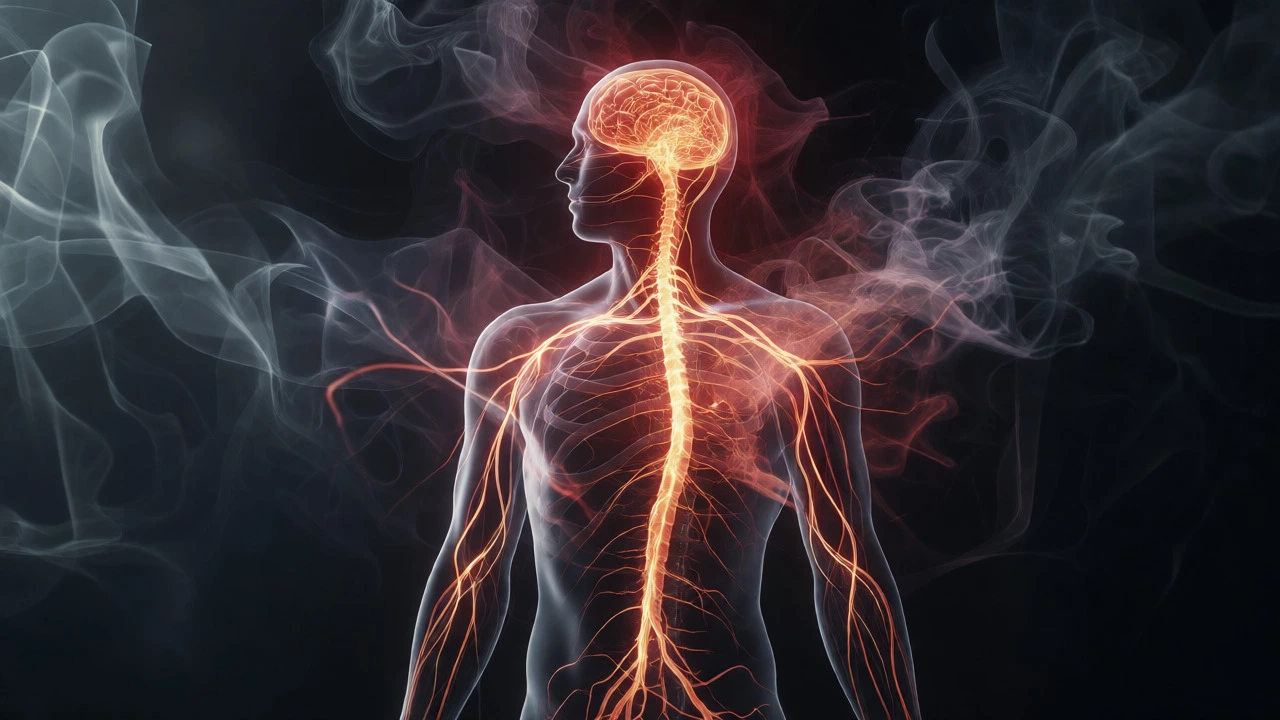
Let’s get one thing straight immediately: your pain is real. You are not imagining it. However, the source of the problem has likely shifted from your body to your nervous system. In medicine, we call this Central Sensitization. Think of your nervous system like a home security alarm. Acute pain is the alarm ringing because someone actually broke in. That’s useful. Chronic pain is the alarm ringing because the sensitivity knob got turned up to maximum. Now, the wind blowing through the trees sets off the siren. The cat walking past triggers the police dispatch.
This happens because of neuroplasticity-the brain’s ability to rewire itself. When pain lasts longer than three to six months, your brain strengthens the neural pathways associated with pain signals. It becomes efficient at being in pain. It predicts pain before it even happens. If you avoid movement because you’re afraid of hurting yourself, you reinforce this prediction. The less you move, the more sensitive your nervous system becomes. The cycle tightens.
To break this, you need Pain Neuroscience Education (PNE). This isn’t woo-woo theory. Studies published in journals like Pain Medicine show that simply understanding why you hurt reduces the fear associated with the pain. When you realize your back isn’t "crumbling" but rather "hypersensitive," you lower the threat level. Lower threat means less muscle guarding, less tension, and often, less actual pain perception.
Movement Is Medicine, Not Poison
If you have been resting your way to health, you might be making things worse. Rest feels good in the short term because it removes the stimulus. But in the long term, deconditioning makes everything harder. Weak muscles put more strain on joints. Poor circulation slows down healing. The key is not to push through agony, but to engage in Graded Exposure.
Start absurdly small. If walking around the block hurts, walk to the mailbox. Then back. If that’s okay, do it again tomorrow. The goal is consistency, not intensity. You are teaching your brain that movement is safe. Here is a practical framework for starting:
- Find your baseline: What is the amount of activity you can do without a flare-up? Maybe it’s 5 minutes of stretching.
- The 10% Rule: Increase your duration or intensity by no more than 10% per week. Slow progress prevents setbacks.
- Focus on function, not feeling: Don’t ask "Does this hurt?" Ask "Can I do this action better than last week?" Sometimes pain stays the same while strength improves.
- Incorporate variety: Mix low-impact cardio (swimming, cycling) with strength training and flexibility work. Different stimuli help reset different parts of the nervous system.
Consider Mind-Body Movement like Tai Chi or Yoga. These aren’t just stretches; they are meditations in motion. They force you to pay attention to breath and body alignment, which helps downregulate the sympathetic nervous system (the fight-or-flight response). Many patients find that gentle yoga classes specifically designed for chronic pain conditions offer relief that high-intensity gym sessions cannot.
The Emotional Load of Pain
It is exhausting to be in pain all day. It drains your mental bandwidth. Because of this, anxiety and depression are incredibly common among people with chronic pain. But here is the catch: these aren’t just side effects. They are amplifiers. Stress causes muscle tension and releases inflammatory chemicals like cortisol and adrenaline, which directly increase pain sensitivity. Depression lowers your pain threshold, meaning you feel pain more intensely when you are sad or hopeless.
You don’t need to "think positive." Toxic positivity-telling yourself "everything is great!" when it clearly isn’t-can make you feel isolated and misunderstood. Instead, try Acceptance and Commitment Therapy (ACT). ACT teaches you to accept the presence of pain without letting it dictate your actions. You acknowledge, "I am feeling pain right now," and then you choose to go to dinner with friends anyway, because connection matters more than comfort.
Practical steps for managing the emotional load include:
- Journaling: Write down what you did today, not just how much it hurt. Focus on accomplishments, however small.
- Social Connection: Isolation feeds pain. Join a support group, either online or locally. Talking to people who "get it" validates your experience and reduces stress.
- Mindfulness Meditation: Apps like Headspace or Calm have specific modules for chronic pain. Even 5 minutes a day can help detach your identity from the pain.
Rethinking Your Medical Strategy
Many people fall into the trap of seeking a single doctor who will fix them. They jump from specialist to specialist, hoping for a procedure or a new pill that will finally silence the noise. While medical care is essential, a purely biomedical approach often fails in chronic cases. You need a multidisciplinary team.
| Approach | Primary Goal | Best For | Risk/Limitation |
|---|---|---|---|
| Pharmacological | Reduce signal intensity | Acute flares, sleep aid | Side effects, tolerance, dependency |
| Physical Therapy | Improve mechanics/strength | Musculoskeletal issues | Time-intensive, requires active participation |
| Psychological | Manage stress/coping | High anxiety/depression comorbidity | Stigma, access barriers |
| Lifestyle/Holistic | Overall health optimization | Long-term sustainability | Slow results, requires discipline |
Talk to your doctor about tapering off medications that cause sedation or constipation, which can worsen quality of life. Ask about referrals to a pain psychologist or a physical therapist who specializes in chronic conditions, not just post-surgical rehab. Be wary of interventions that promise instant cures, like repeated steroid injections or unproven surgeries. Evidence suggests that for many chronic conditions, active self-management beats passive treatment.

Diet and Sleep: The Invisible Levers
You can’t out-train or out-medicate a bad diet and poor sleep. Both directly influence inflammation levels in the body. Processed foods, high sugar intake, and excessive alcohol promote systemic inflammation, which keeps the nervous system on high alert. Conversely, anti-inflammatory diets rich in omega-3 fatty acids, leafy greens, and whole grains can help calm the internal environment.
Sleep is non-negotiable. Pain disrupts sleep, and lack of sleep lowers pain thresholds. It’s a vicious cycle. To break it, prioritize sleep hygiene. Keep your bedroom cool and dark. Avoid screens an hour before bed. If pain wakes you up, don’t lie there frustrated. Get up, do some gentle stretching, and return to bed only when sleepy. Consider supplements like Magnesium Glycinate, which may help relax muscles and improve sleep quality, though always check with your doctor first.
Reclaiming Your Identity
Perhaps the hardest part of chronic pain is the loss of self. You used to be the runner, the gardener, the traveler. Now you feel defined by your limitations. You must grieve the old life, but don’t let it become your tomb. Adapt your hobbies. Can’t run? Try swimming or adaptive cycling. Can’t garden standing up? Use raised beds and sit while working.
Set values-based goals. What matters to you? Family? Creativity? Learning? Choose activities that align with those values, regardless of pain levels. You might paint while sitting in a recliner. You might listen to audiobooks instead of reading. The method changes, but the essence remains. By focusing on what you can do, rather than what you’ve lost, you shift your focus from survival to living.
Living with chronic pain is a marathon, not a sprint. There will be good days and bad days. The goal isn’t zero pain-that’s often unrealistic. The goal is a life where pain is a background character, not the protagonist. By combining movement, mindset shifts, and smart medical care, you take back control. You decide how you spend your energy. You decide who you are. And that power belongs to you, not your diagnosis.
Is it possible to completely eliminate chronic pain?
For many people, complete elimination is rare. The realistic goal is reduction and improved function. Most successful patients aim for manageable pain levels that allow them to pursue meaningful activities, rather than waiting for pain to disappear entirely before living their lives.
Should I exercise even if it hurts?
Yes, but with caution. Distinguish between "good" discomfort (muscle exertion) and "bad" pain (sharp, shooting, or worsening joint pain). Start with very low intensity and gradually increase. Stopping all movement usually leads to deconditioning, which worsens pain long-term.
How does stress affect my pain levels?
Stress activates the sympathetic nervous system, releasing hormones like cortisol and adrenaline. This increases muscle tension and inflammation, lowering your pain threshold. Managing stress through mindfulness, therapy, or relaxation techniques can directly reduce pain intensity.
Are opioids effective for long-term chronic pain?
Current medical guidelines generally advise against long-term opioid use for chronic non-cancer pain. Tolerance develops quickly, requiring higher doses for the same effect, and they can sometimes worsen pain sensitivity (opioid-induced hyperalgesia). Non-opioid approaches are typically preferred for long-term management.
What is the Biopsychosocial Model?
This is the modern standard for understanding chronic pain. It states that pain is influenced by biological factors (injury/genetics), psychological factors (stress/mood), and social factors (work/support systems). Treating only the biology ignores half the equation, which is why multidisciplinary care works best.