Personalized Anti-Aging Routine Builder
Step 1: What's your skin type?
Step 2: Select your primary concerns (choose up to 3)
Step 3: Budget preference
Looking in the mirror and noticing fine lines or sagging skin can be frustrating. You want a solution that works, but the options seem endless. From expensive creams to invasive surgeries, it is easy to feel overwhelmed. The good news is that you do not need drastic measures to see a difference. Small changes in your routine and targeted treatments can refresh your appearance significantly.
Aging is natural, but how fast it happens depends on many factors. Genetics play a role, but so does sun exposure, diet, and stress. By understanding what causes aging signs, you can choose the right approach for your skin type and goals. This guide breaks down practical steps to make your face look younger without breaking the bank or risking major surgery.
The Foundation of Youthful Skin
Before trying advanced procedures, focus on the basics. A solid skincare routine prevents further damage and improves texture. Sun protection is the most critical step. Ultraviolet rays break down collagen, which gives skin its firmness. Without enough collagen, wrinkles form easily. Apply a broad-spectrum sunscreen with SPF 30 or higher every day, even when it is cloudy. Reapply if you spend time outdoors.
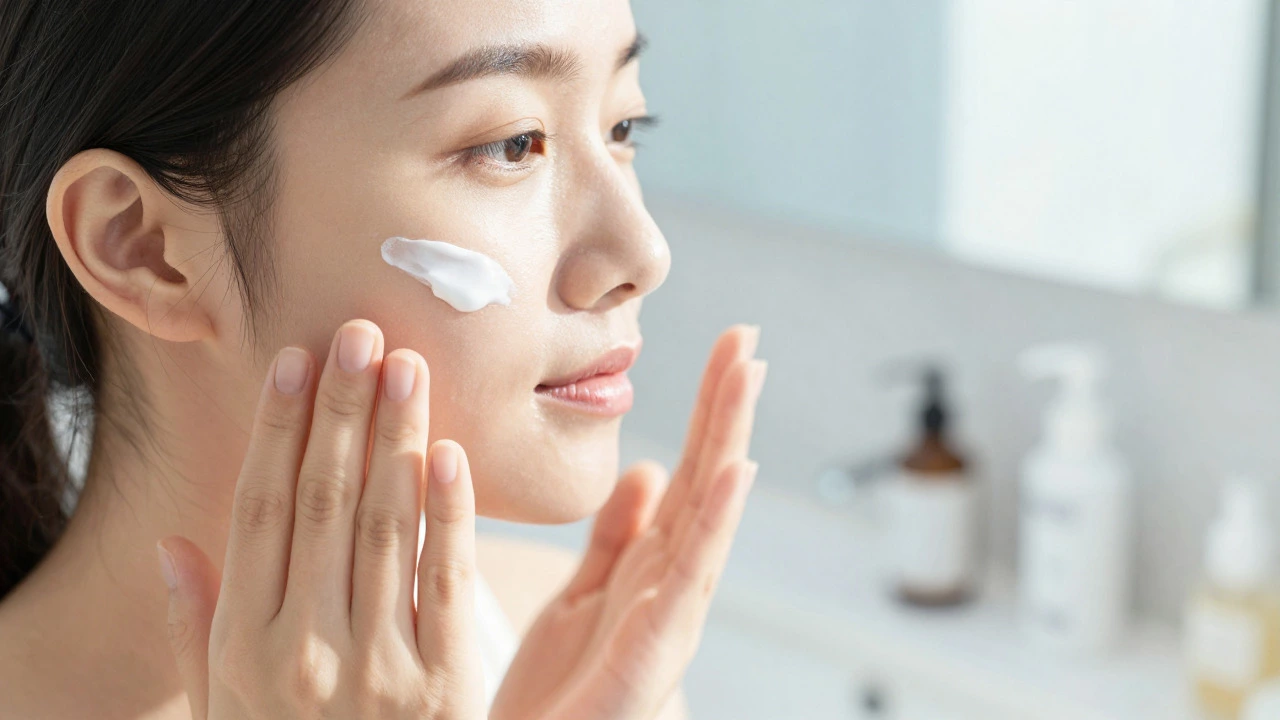
Cleansing and moisturizing are equally important. Use a gentle cleanser that does not strip natural oils. Follow up with a moisturizer suited to your skin type. Dry skin needs richer formulas, while oily skin benefits from lightweight gels. Consistency matters more than price. A simple routine done daily yields better results than sporadic use of luxury products.
- Apply sunscreen every morning as part of your routine.
- Choose a moisturizer with hyaluronic acid for hydration.
- Double cleanse at night to remove makeup and pollutants.
Topical Ingredients That Work
Not all anti-aging creams deliver results. Look for ingredients backed by science. Retinoids are gold standards for reducing wrinkles. They speed up cell turnover and boost collagen production. Start with a low concentration to avoid irritation. Apply them at night since sunlight degrades their effectiveness.
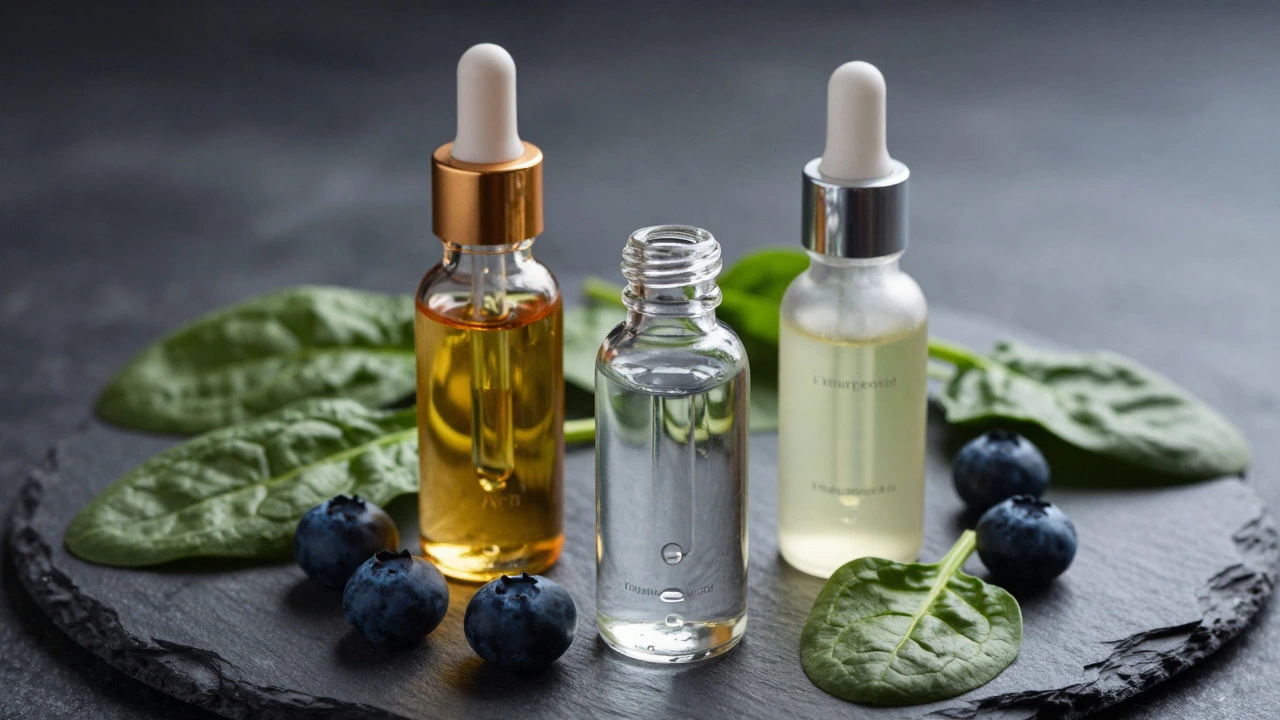
Vitamin C serums offer another powerful option. They brighten dull skin and protect against free radicals. Free radicals come from pollution and UV light, causing premature aging. Pair vitamin C with sunscreen for maximum protection. Niacinamide helps strengthen the skin barrier and reduces redness. It also minimizes pore appearance over time.
| Ingredient | Primary Benefit | Best For |
|---|---|---|
| Retinoids | Boosts collagen, reduces wrinkles | Fine lines, texture issues |
| Vitamin C | Brightens skin, protects from damage | Dullness, dark spots |
| Hyaluronic Acid | Hydrates and plumps skin | Dryness, loss of volume |
| Niacinamide | Strengthens barrier, evens tone | Sensitivity, enlarged pores |
Lifestyle Changes for Long-Term Results
Your daily habits impact your skin more than you might think. Sleep is crucial for repair processes. Aim for seven to nine hours each night. Poor sleep increases cortisol levels, leading to inflammation and breakdown of collagen. Try sleeping on your back to prevent creases from pillow friction.
Diet plays a significant role too. Foods rich in antioxidants fight oxidative stress. Berries, leafy greens, and nuts provide essential nutrients. Stay hydrated by drinking plenty of water. Dehydration makes skin look tired and accentuates wrinkles. Limit sugar intake since high blood sugar damages collagen fibers through glycation.
Stress management cannot be ignored. Chronic stress accelerates aging by releasing hormones that degrade skin structure. Practice relaxation techniques like meditation or yoga. Regular exercise improves circulation, delivering oxygen and nutrients to skin cells. Even a brisk walk daily can enhance your complexion.
Professional Treatments for Faster Improvement
If home care feels insufficient, consider professional options. These treatments target specific concerns with precision. Chemical peels remove dead skin layers, revealing fresher skin underneath. Superficial peels suit sensitive skin, while deeper ones address severe discoloration. Consult a dermatologist to determine the best strength for your needs.
Microneedling stimulates collagen production by creating tiny injuries in the skin. The body responds by repairing itself, resulting in tighter, smoother skin. Sessions usually require minimal downtime. Combining microneedling with growth factors enhances outcomes. This method works well for acne scars and fine lines.
Laser therapy offers dramatic results for various issues. Fractional lasers resurface skin by targeting damaged areas while leaving surrounding tissue intact. Intense Pulsed Light (IPL) treats sun spots and redness effectively. Both procedures demand expert handling to avoid complications. Choose a licensed provider with experience in facial rejuvenation.

Injectables and Minimally Invasive Options
Dermal fillers restore lost volume in cheeks, lips, and under-eye areas. Hyaluronic acid-based fillers attract moisture, giving a natural lift. Botox relaxes muscles responsible for dynamic wrinkles, such as crow's feet and forehead lines. Results last several months, requiring maintenance sessions.
Thread lifts provide non-surgical facelift effects. Biodegradable threads anchor into soft tissue, lifting sagging areas. Recovery is quick compared to traditional surgery. However, results vary based on individual anatomy. Discuss expectations thoroughly with your practitioner before proceeding.
Radiofrequency devices heat deep skin layers to tighten loose skin. Ultherapy uses ultrasound energy for similar purposes. These technologies stimulate collagen remodeling without incisions. Multiple sessions may be necessary for optimal effect. Patience pays off as improvements develop gradually over weeks.
Navigating Costs and Expectations
Understanding costs helps manage budgets wisely. Topical products range widely in price. Drugstore brands often contain effective ingredients comparable to high-end alternatives. Professional treatments involve higher expenses. Chemical peels cost less than laser procedures. Fillers and Botox prices depend on quantity used.
Insurance rarely covers cosmetic enhancements. Check if any medical conditions justify coverage. Payment plans ease financial burden for larger investments. Prioritize safety over savings. Unlicensed providers pose risks including infection and uneven results. Verify credentials and read reviews carefully.
Set realistic expectations. No treatment turns back time completely. Maintenance keeps results fresh. Combine approaches for comprehensive improvement. A balanced strategy addresses surface concerns and underlying structural changes. Regular follow-ups ensure adjustments align with evolving needs.
What is the best age to start anti-aging skincare?
Starting in your mid-twenties allows prevention rather than correction. Early adoption builds healthy habits and slows visible signs of aging. Focus on sunscreen and basic hydration during this phase.
Can lifestyle changes reverse existing wrinkles?
While lifestyle improvements reduce new wrinkle formation, they may not fully erase established lines. Combined with topical treatments, however, noticeable enhancement occurs. Consistency drives success.
Are chemical peels safe for all skin types?
Most skin types tolerate superficial peels well. Deeper peels suit resilient complexions better. Patch testing identifies potential reactions beforehand. Professional guidance ensures suitability.
How long do Botox results typically last?
Botox effects generally persist three to four months. Muscle activity resumes gradually after that period. Regular touch-ups maintain smoothness. Individual metabolism influences duration slightly.
Is there any risk associated with dermal fillers?
Minor bruising and swelling occur commonly post-injection. Rarely, vascular occlusion presents serious concern. Selecting experienced injectors minimizes adverse events significantly. Always verify qualifications.