
Hair Washing Frequency Calculator
Select your characteristics below to get a personalized recommendation for how often you should wash your hair.
Your Recommended Schedule
Day Interval
Wash every X days
Why this recommendation?
Please select options above.
Pro Tips for You:
- Select your hair type to see specific advice.
You’re standing in the shower, water hitting your shoulders, and that familiar question pops up: Do I actually need to wash my hair today? It’s not just about feeling clean. Washing too often strips natural oils, leaving strands brittle. Skipping it for too long leads to buildup, itchiness, and dullness. The truth is, there’s no single "right" day on the calendar. The answer depends entirely on your scalp type, hair texture, and lifestyle.
If you’ve been following a rigid Monday-Wednesday-Friday schedule, you might be doing more harm than good. Dermatologists and trichologists agree that hair washing frequency is highly individual. What works for your friend with fine, straight hair will likely wreck your thick, curly locks. This guide breaks down exactly when to reach for the shampoo bottle based on real-world factors, not outdated myths.
The Science Behind Your Scalp’s Oil Cycle
Your scalp produces sebum, a natural oil made by sebaceous glands. Its job is to protect your hair shaft and keep moisture in. When you wash your hair, you remove this oil along with dirt, sweat, and product residue. The speed at which your scalp replenishes sebum determines how often you need to cleanse.
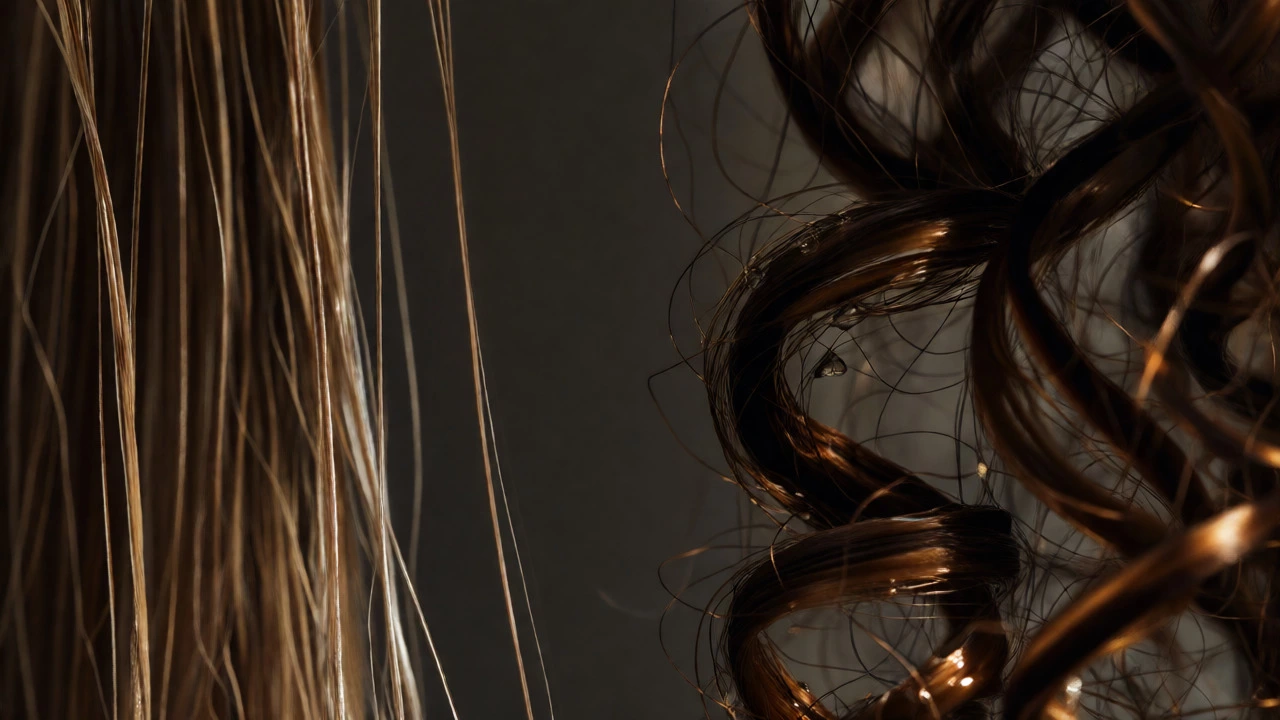
For most people, sebum production peaks within 24 to 48 hours after washing. If you have an oily scalp, that cycle accelerates. Within a day, your roots look flat and feel greasy. For those with dry or coarse hair, the oil travels slowly down the hair shaft because the structure of the hair (curly or coily) creates friction that traps oil near the root. This means your ends stay dry while your scalp feels heavy.
Determine Your Washing Schedule by Hair Type
Forget what influencers say about "every other day" being the golden rule. Look at your hair texture and scalp condition instead. Here is a practical breakdown to help you find your rhythm.
- Fine, Straight Hair: This hair type gets weighed down quickly. Sebum travels easily down the smooth shaft. Most people with fine hair need to wash every 1-2 days. If you skip a day, use dry shampoo to absorb excess oil at the roots.
- Wavy Hair: You have more flexibility here. Washing every 2-3 days usually maintains volume without causing dryness. If you exercise heavily, rinse with water only on off-days to remove sweat without stripping oils.
- Curly and Coily Hair: Curves make it hard for oil to travel from root to tip. Washing daily dries out these textures. Aim for once a week or even every 7-10 days. Focus on conditioning rather than frequent shampooing.
- Thick or Afro-Textured Hair: Similar to coily hair, these types thrive on moisture retention. Weekly washing is often sufficient. Some people go longer, using protective styles to minimize manipulation and washing needs.
Scalp Health Matters More Than Hair Length
Your scalp dictates the schedule more than your hair length does. If you have dandruff or seborrheic dermatitis, you cannot wait a week to wash. Fungal growth feeds on sebum. Leaving oil on the scalp for too long exacerbates flaking and itching. In this case, washing every 2-3 days with a medicated shampoo is necessary to control symptoms.
Conversely, if you have a sensitive or eczema-prone scalp, over-washing can trigger inflammation. Use a gentle, sulfate-free cleanser and extend the time between washes. Pay attention to how your scalp feels. Tightness or irritation is a sign you are washing too much. Itchiness combined with visible flakes often signals it is time to wash.
Lifestyle Factors That Change the Rules
Your routine isn't static. Life changes, and so should your hair care habits. Consider these variables:
- Exercise: Sweat contains salt and urea, which can irritate the scalp and leave hair stiff. If you work out five times a week, you don't necessarily need to shampoo five times. Rinse thoroughly with warm water to remove sweat, then apply conditioner to the ends. Save full shampooing for twice a week.
- Product Usage: Do you use hairspray, mousse, or heavy gels? These build up on the hair shaft. Even if your scalp isn't oily, product residue makes hair feel crunchy and look dull. You may need to wash more frequently to prevent buildup, or use a clarifying shampoo once a month.
- Climate: Humid weather increases sweat and oil production. Dry, cold air pulls moisture from your hair. Adjust your frequency seasonally. You might wash daily in summer but switch to every three days in winter.
- Chemical Treatments: Colored or bleached hair is porous and fragile. Frequent washing fades color and causes dryness. Stretch your wash intervals to preserve vibrancy and strength. Use cool water when rinsing to seal the cuticle.
Signs You Are Washing Too Much or Too Little
How do you know if your current schedule is wrong? Your hair will tell you if you listen.
| Symptom | Over-Washing | Under-Washing |
|---|---|---|
| Texture | Dry, straw-like, brittle | Greasy, heavy, limp |
| Scalp Sensation | Tight, itchy, flaky (dry) | Itchy, tender, oily flakes |
| Appearance | Frizzy, split ends, dull | Flat roots, shiny grease |
| Smell | Neutral or chemical scent | Musky or stale odor |
If your hair feels like straw, you are stripping too many natural oils. Try extending the time between washes by one day each week until you find balance. If your hair smells stale or feels sticky, you need to increase frequency or switch to a stronger clarifying formula.
The Transition Period: What to Expect
If you currently wash your hair daily and decide to switch to washing every three days, expect a transition phase. Your scalp has been conditioned to produce oil rapidly because you kept removing it. When you stop washing daily, your scalp may overproduce oil for two to four weeks before regulating itself.
During this period, your hair will feel greasier than usual. Don't panic and revert to daily washing immediately. Use dry shampoo strategically at the roots. Wear hats or tie hair back if needed. After a month, you will likely notice your scalp producing less oil overall, making the new schedule sustainable.
Best Practices for Effective Washing
When you do wash, technique matters as much as frequency. Follow these steps to maximize cleanliness without damage:
- Pre-rinse: Wet hair thoroughly with warm water for at least 60 seconds. This loosens debris and prepares the scalp for cleansing.
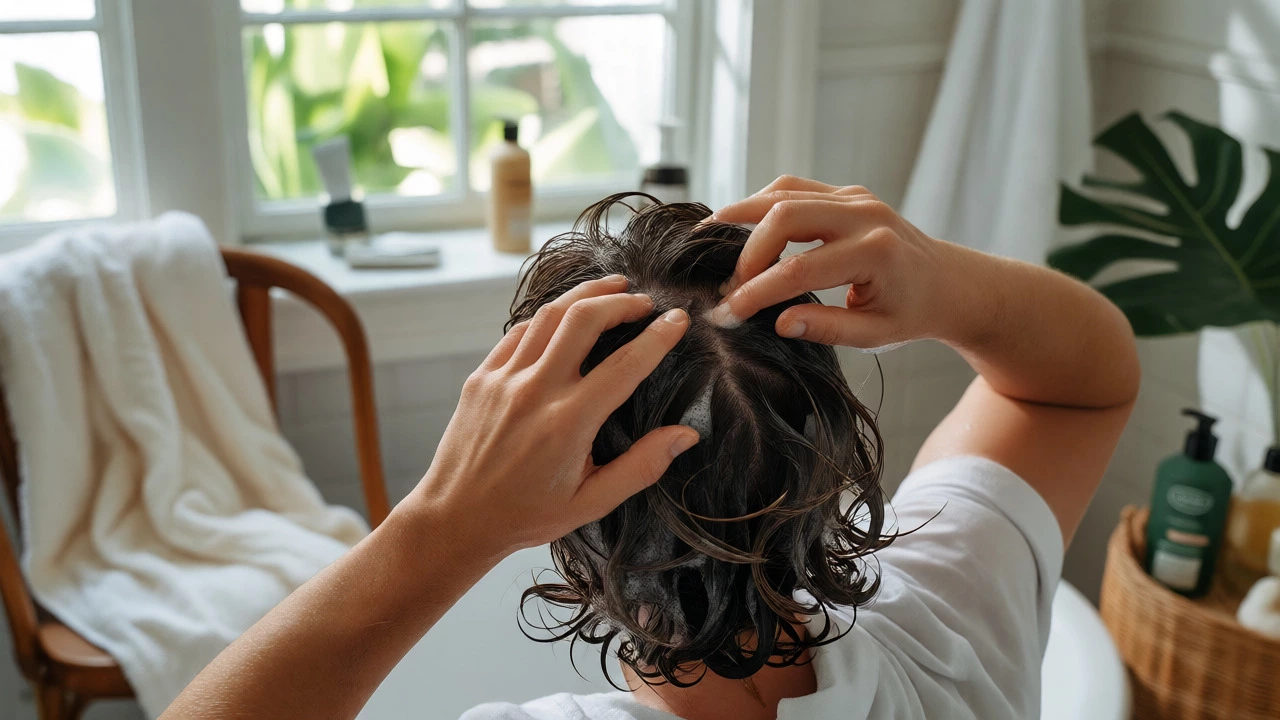
- Focus on the Scalp: Apply shampoo only to the roots. Massage gently with fingertips, not nails. Let the suds run down the lengths as you rinse; they are enough to clean the ends.
- Condition Properly: Apply conditioner from mid-lengths to ends. Avoid the scalp unless you have very dry hair. Leave it on for 2-3 minutes to allow penetration.
- Cool Rinse: Finish with cool water. This helps close the hair cuticle, adding shine and reducing frizz.
- Dry Gently: Squeeze out excess water with a microfiber towel or old t-shirt. Avoid vigorous rubbing, which causes breakage.
Frequently Asked Questions
Does washing hair every day cause hair loss?
No, washing itself doesn't cause permanent hair loss. However, aggressive scrubbing or using harsh shampoos daily can lead to breakage, which may look like thinning. Daily shedding is normal (50-100 hairs), and you'll see more in the drain when you wash frequently simply because you aren't letting them accumulate.
Can I train my scalp to be less oily?
Yes, to an extent. By spacing out washes, you give your sebaceous glands time to regulate their output. Many people report needing to wash less frequently after 4-6 weeks of stretching their routine. However, genetics play a huge role, so some people will always have naturally oilier scalps.
Is dry shampoo bad for my hair?
Dry shampoo is a useful tool, not a replacement for washing. Overuse can clog hair follicles and cause scalp acne or irritation. Use it sparingly-no more than two days in a row-and ensure you wash it out completely with regular shampoo soon after.
Should I wash my hair before or after working out?
If you sweat heavily, rinse your hair with water after working out to remove salt and bacteria. Full shampooing is only necessary if you also used styling products or if your scalp feels particularly dirty. Rinsing prevents the buildup of sweat-induced odor without stripping natural oils.
What happens if I never wash my hair?
Long-term neglect leads to severe buildup of sebum, dead skin cells, and environmental pollutants. This can cause scalp inflammation, fungal infections, and unpleasant odors. The hair shaft becomes coated in grime, losing its luster and becoming prone to tangling and breakage.