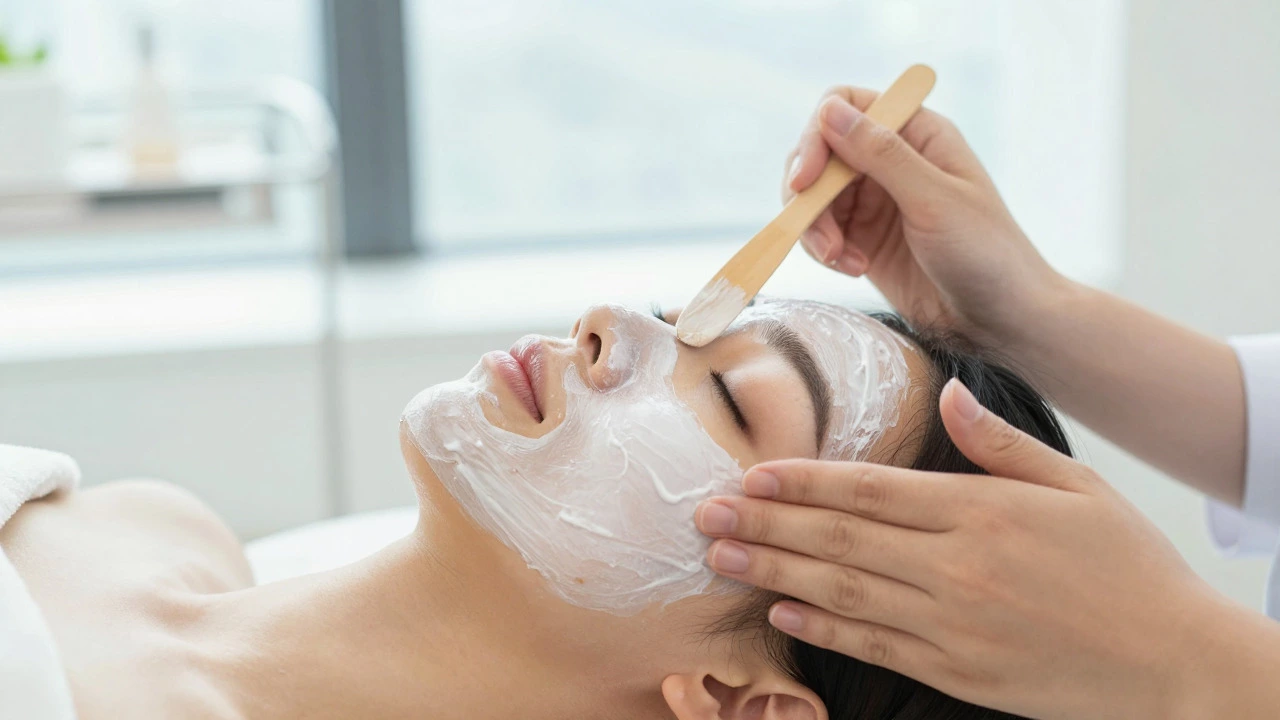
Facial Cost & Savings Calculator
Walking into a spa or clinic and seeing a menu of prices can feel like decoding a secret language. One place charges $50 for a basic clean-up; another wants $200 for what sounds exactly the same. The confusion is real, but the answer isn't just about picking the cheapest option. It's about understanding what you're actually buying: time, expertise, product quality, and results.
facial cost varies wildly based on location, provider type, and specific treatments included. But there is a sweet spot where you get professional care without overpaying for luxury branding. Let’s break down the numbers so you can decide what makes sense for your skin and your wallet.
What Drives the Price Tag?
Before looking at dollar amounts, it helps to know why two facials can differ by $100. Three main factors drive the price:
- Location: Urban centers with high rent (like New York, London, or Sydney) charge more than suburban or rural areas. A standard facial in Manhattan might start at $120, while the same service in a smaller town could be $60.
- Provider Type: Medical spas (medspas) and dermatology offices typically charge more than traditional day spas because they employ licensed aestheticians or nurses and use clinical-grade products.
- Product Quality: High-end brands like Estée Lauder, Dermalogica, or SkinCeuticals cost more upfront but are often more effective for specific skin concerns. Budget-friendly lines save money but may require more frequent visits to see results.
If you’re paying for a "luxury" experience that includes hot towels, scalp massage, and champagne, you’re paying for comfort. If you’re paying for targeted acne treatment or anti-aging serums, you’re paying for efficacy. Decide which one matters more to you.
Typical Price Ranges by Treatment Type
Not all facials are created equal. Here is a realistic breakdown of what you should expect to pay in 2026 for common services. These ranges reflect average US and UK pricing; adjust up or down based on your local cost of living.
| Treatment Type | Budget Range ($) | Premium Range ($) | Best For |
|---|---|---|---|
| Basic Express Facial (30 min) | 40 - 70 | 80 - 120 | Maintenance, quick refresh before events |
| Standard Signature Facial (60 min) | 70 - 100 | 120 - 180 | General hydration, cleansing, light exfoliation |
| Deep Cleansing / Acne Facial | 90 - 130 | 150 - 220 | Oily skin, blackheads, active breakouts |
| Anti-Aging / Collagen Boost | 110 - 150 | 180 - 250+ | Fine lines, loss of elasticity, dullness |
| Chemical Peel (Light/Medium) | 150 - 200 | 250 - 400 | Pigmentation, texture issues, scarring |
Notice the jump between a standard facial and a chemical peel. Peels involve stronger acids and higher risk, so they require more skilled hands and aftercare instructions. That complexity justifies the higher price point.
Is Expensive Always Better?
Here’s the hard truth: No. Paying double doesn’t mean you get double the results. In fact, some of the best-skinned people I know stick to mid-range providers because their aestheticians listen closely to their skin history rather than upselling every available add-on.
The key metric isn't the price per hour-it's the value per result. A $100 facial from an aesthetician who understands your skin barrier will outperform a $200 facial from someone who follows a rigid script. Ask these questions before booking:
- Do you customize the treatment based on my current skin condition?
- Which products do you use, and why did you choose them?
- What should I expect to see immediately vs. long-term?
If the answers are vague, walk away. Specificity signals expertise.
How Often Should You Get a Facial?
Your frequency determines your total annual spend. Most dermatologists recommend a professional facial every 4 to 6 weeks for maintenance. This aligns with the skin cell turnover cycle, which takes about 28 days.
However, you don’t need to book monthly if your skin is stable. Many people find that quarterly visits (every 3 months) are sufficient for general health, saving them significant money. If you have active acne or rosacea, you might need more frequent visits initially, tapering off as your skin improves.
Think of it like car maintenance. You don’t change your oil every week unless you’re driving in extreme conditions. Similarly, your skin only needs professional intervention when it hits a plateau or reacts to seasonal changes.
DIY vs. Professional: Where to Draw the Line
You can replicate many aspects of a facial at home. Cleansing, exfoliating, and moisturizing are daily tasks you handle yourself. But certain steps require professional tools and knowledge:
- Extraction: Popping pimples at home leads to scarring. Aestheticians use sterile tools and proper technique.
- High-Frequency Current: This device kills bacteria and reduces inflammation, but using it incorrectly can irritate sensitive skin.
- Professional Exfoliation: While you can buy AHAs/BHAs at home, professionals can layer them safely with other actives to maximize penetration without causing burns.
If your routine works well at home, you might only need a professional touch once or twice a year for deep cleaning. If your skin feels congested no matter how much you wash it, a monthly professional visit is likely worth the investment.
Smart Ways to Save Money
You don’t have to break the bank to get good care. Try these strategies:
- Book Off-Peak Hours: Many spas offer 10-20% discounts for Tuesday/Wednesday morning slots.
- Look for Introductory Offers: First-time clients often get reduced rates. Use this to test a provider before committing to regular visits.
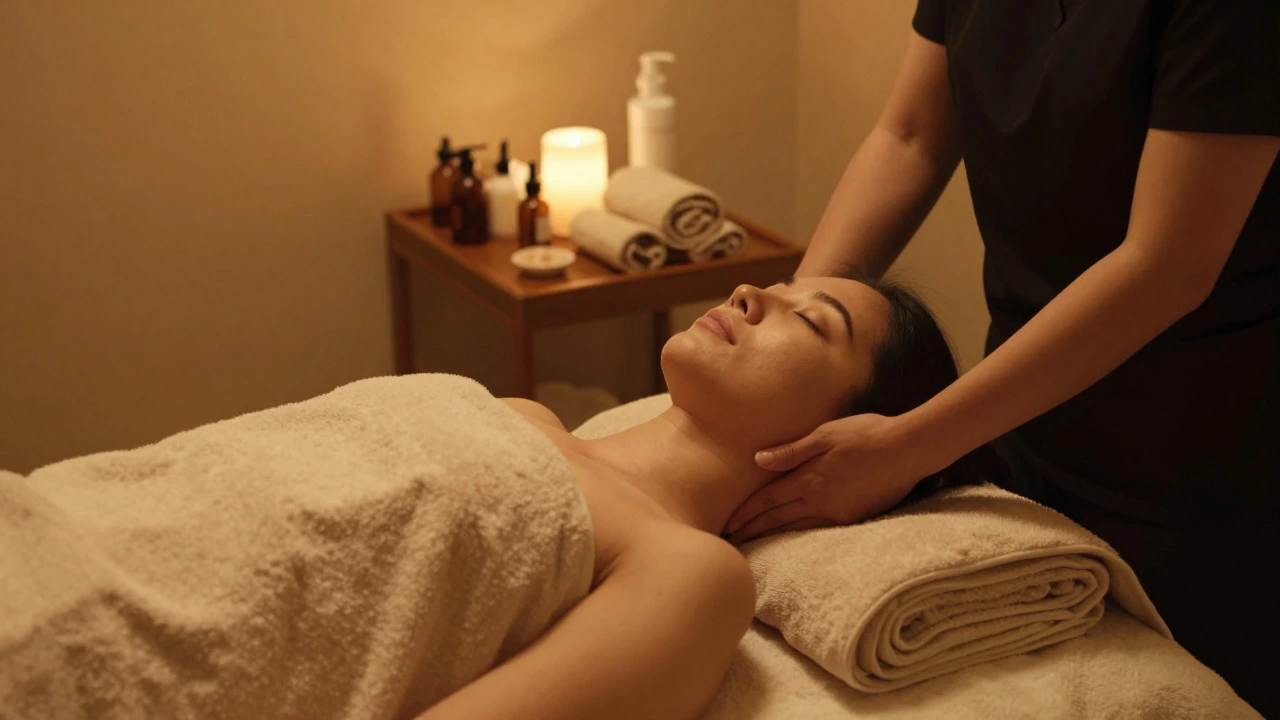
- Avoid Add-Ons Unless Needed: Neck, shoulder, and back massages sound nice, but they add $30-$50 quickly. Focus on the face if that’s your priority.
- Ask About Membership Plans: Some salons offer prepaid packages (e.g., 6 facials for the price of 5). Read the fine print regarding expiration dates.
Avoid discount apps that push you to unfamiliar places. The savings rarely outweigh the risk of inconsistent service quality.
Red Flags to Watch Out For
Low prices aren't always a deal-they can be a warning sign. Be cautious if:
- The aesthetician rushes through the consultation phase.
- They pressure you to buy retail products from the salon instead of recommending brands you can buy anywhere.
- The treatment room feels unclean or tools aren't sanitized visibly.
- There’s no patch test for new products, especially if you have sensitive skin.
Quality control costs money. If a place seems too cheap to be true, check online reviews specifically mentioning hygiene and professionalism, not just the vibe.
Frequently Asked Questions
Is a $100 facial worth it?
Yes, if you live in a mid-to-high cost area and receive a customized treatment with quality products. At this price point, you should expect 60 minutes of focused attention, not just a rushed scrub. If the same price gets you a 30-minute express service, look elsewhere.
How much should I tip for a facial?
In the US, 15-20% is standard for spas. In the UK and Europe, tipping is less mandatory but appreciated for exceptional service (around 10%). Always round up if the service was great. Cash tips are often kept entirely by the aesthetician, while card tips go through payroll.
Can I get a facial during pregnancy?
Generally, yes, but avoid strong retinoids and high-concentration chemical peels. Tell your aesthetician you are pregnant so they can swap out certain products. Basic cleansing, hydration, and gentle exfoliation are safe and helpful for managing pregnancy-related skin changes.
What is the difference between a medspa facial and a day spa facial?
Medspas focus on clinical results using medical-grade devices and ingredients, often run by nurses or estheticians with advanced certifications. Day spas focus on relaxation and sensory experiences. Medspa facials cost more but target specific skin conditions like acne or hyperpigmentation more effectively.
How soon should I rebook after a facial?
Wait at least 4 weeks. Your skin needs time to process the treatment and show results. Rebooking sooner usually means you didn't address the root cause of your concern, or the previous treatment wasn't suitable for your skin type.