Full Mouth Implants Cost Estimator
Treatment Details
Estimated Cost Breakdown
Enter your details and click Estimate to see costs.
Imagine waking up one day with no teeth. It sounds like a nightmare, but for many people across the UK struggling with severe decay, gum disease, or trauma, it is a very real possibility. The question isn't just about losing teeth; it's about what comes next. Can you simply have all your teeth removed and replaced with implants? The short answer is yes, but the long answer involves navigating a complex landscape of private healthcare costs, surgical procedures, and limited NHS support.
If you are considering this drastic step, you are likely looking for a permanent solution to chronic dental pain or embarrassment. You want to know if it’s possible, how much it will drain your bank account, and whether the National Health Service (NHS) will help you out. This guide breaks down the reality of full-mouth rehabilitation in the UK right now, cutting through the marketing hype to give you the facts you need to make an informed decision.
The Reality of Full Mouth Rehabilitation
Having all your teeth removed is not a standard cosmetic choice; it is a medical necessity reserved for cases where natural teeth cannot be saved. In the UK, this process is known as full mouth rehabilitation, which often involves the complete restoration of the upper and/or lower jaw using dental implants. This isn't just swapping teeth; it's rebuilding your foundation.
Most patients who undergo this procedure suffer from advanced periodontitis (gum disease), extensive tooth decay that makes root canals impossible, or significant bone loss. If your dentist suggests removing all your teeth, it usually means your oral health has reached a critical point. The alternative-trying to save every single failing tooth-often leads to more pain, higher costs over time, and eventual failure anyway.
The goal here is function and aesthetics. You don’t just want teeth back; you want to eat an apple, smile without hiding your mouth, and speak clearly. Modern implant technology makes this achievable, but it requires a healthy jawbone and a commitment to the healing process.
How Dental Implants Replace Missing Teeth
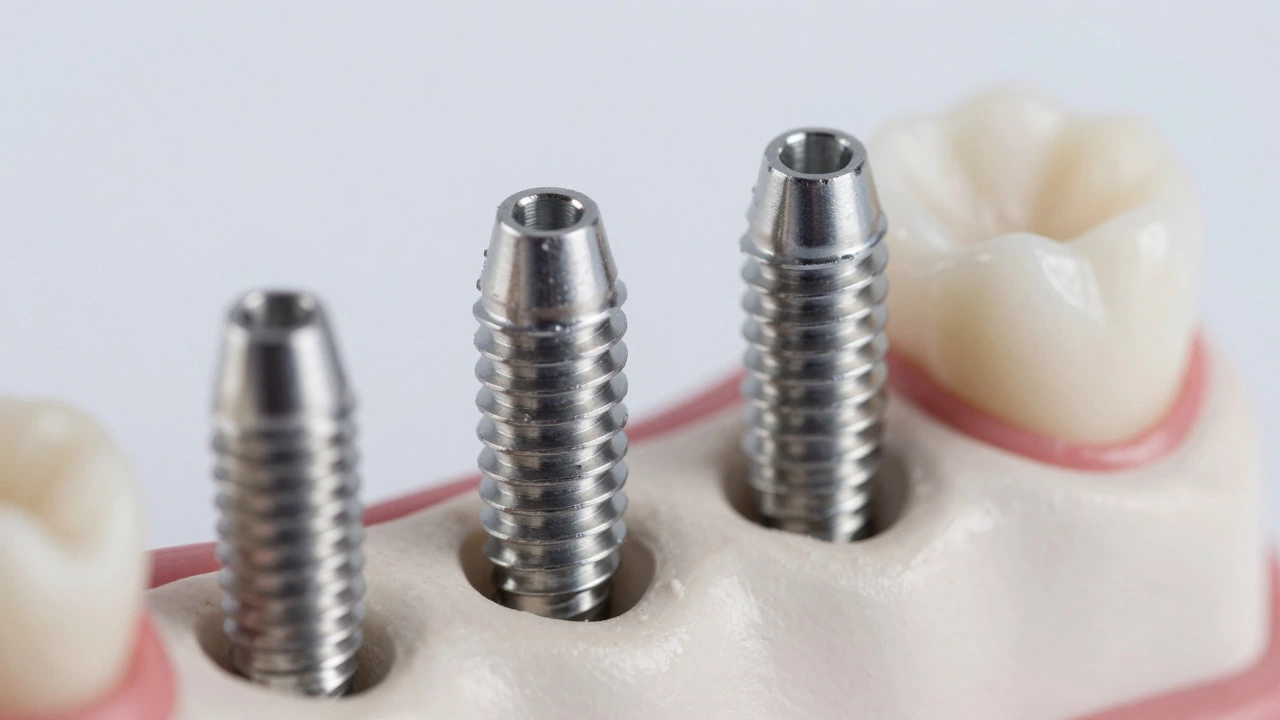
You might think getting implants means screwing a titanium post into the gum for every missing tooth. That would require 14 to 28 surgeries per person. Fortunately, dentistry has evolved. The most common approach in the UK today is the All-on-4 technique, a surgical method where four strategically placed implants support a full arch of prosthetic teeth.
Here is how it works:
- Titanium Posts: Surgeons place four small titanium screws into your jawbone. Two are placed vertically at the front, and two are angled at the back to avoid nerves and sinuses while maximizing stability.
- Osseointegration: Over the next 3 to 6 months, your bone fuses with the titanium. This biological bond is incredibly strong, acting as artificial roots.
- Prosthetic Attachment: Once healed, a custom-made bridge of teeth (usually made of zirconia or acrylic) is snapped onto these posts. These bridges are fixed in place, meaning they don’t slip or fall out like traditional dentures.
This method allows many patients to leave the clinic with temporary teeth on the same day as surgery, giving them immediate confidence while their bones heal underneath.
NHS vs. Private Care: Who Pays?
This is where things get tricky for UK residents. Many people assume the NHS covers everything, but dental coverage has changed significantly. Under current NHS guidelines, NHS dental treatment focuses on essential care to maintain oral health, rarely covering complex cosmetic or elective surgeries like full mouth implants.
| Feature | NHS Treatment | Private Treatment |
|---|---|---|
| Coverage for Implants | Rarely covered; only in exceptional medical cases | Fully covered by patient payment |
| Alternative Provided | Traditional removable dentures | Fixed implant bridges (All-on-4) |
| Cost to Patient | Band 3 fee (£70.50 as of 2024/2025 rates) | £15,000 - £30,000+ per arch |
| Waiting Times | Long waits for general dentists; urgent cases prioritized | Immediate consultation and scheduling |
| Maintenance | Regular check-ups covered under bands | Annual hygiene visits often included in plans |
In most cases, the NHS will extract your remaining hopeless teeth and fit you with conventional dentures. While dentures restore some function, they lack the stability and comfort of implants. If you want fixed teeth, you almost certainly need to go private. There are rare exceptions-for example, if you’ve lost teeth due to cancer treatment or congenital defects-but for typical age-related decay or gum disease, expect to pay out of pocket.
Understanding the Costs in the UK
Let’s talk money. Full mouth implants are a significant investment. Prices vary wildly depending on the city, the surgeon’s expertise, and the materials used. In London and Southeast England, prices tend to be higher due to overheads.
A single arch (upper or lower) using the All-on-4 method typically ranges from £12,000 to £20,000. If you need both jaws done, double that figure. Some clinics offer "teeth-in-a-day" packages starting around £15,000, but always ask what’s included. Does the price cover the CT scans? The anesthesia? The follow-up appointments? The warranty?
Hidden costs can creep in. If you have poor bone density, you might need a bone graft, a procedure where bone material is added to the jaw to provide a stable base for implants. This can add another £1,000 to £3,000 per site. Similarly, if you still have infected teeth to remove, extractions may carry separate fees.
Many private practices now offer finance plans, allowing you to spread the cost over 12, 24, or even 60 months. Interest-free options exist but are rare for large sums. Always read the fine print regarding interest rates and early repayment penalties.
The Procedure Timeline: What to Expect
Getting new teeth isn’t a one-day fix, although you might walk out with temporary ones. Here is a realistic timeline for a full mouth rebuild:
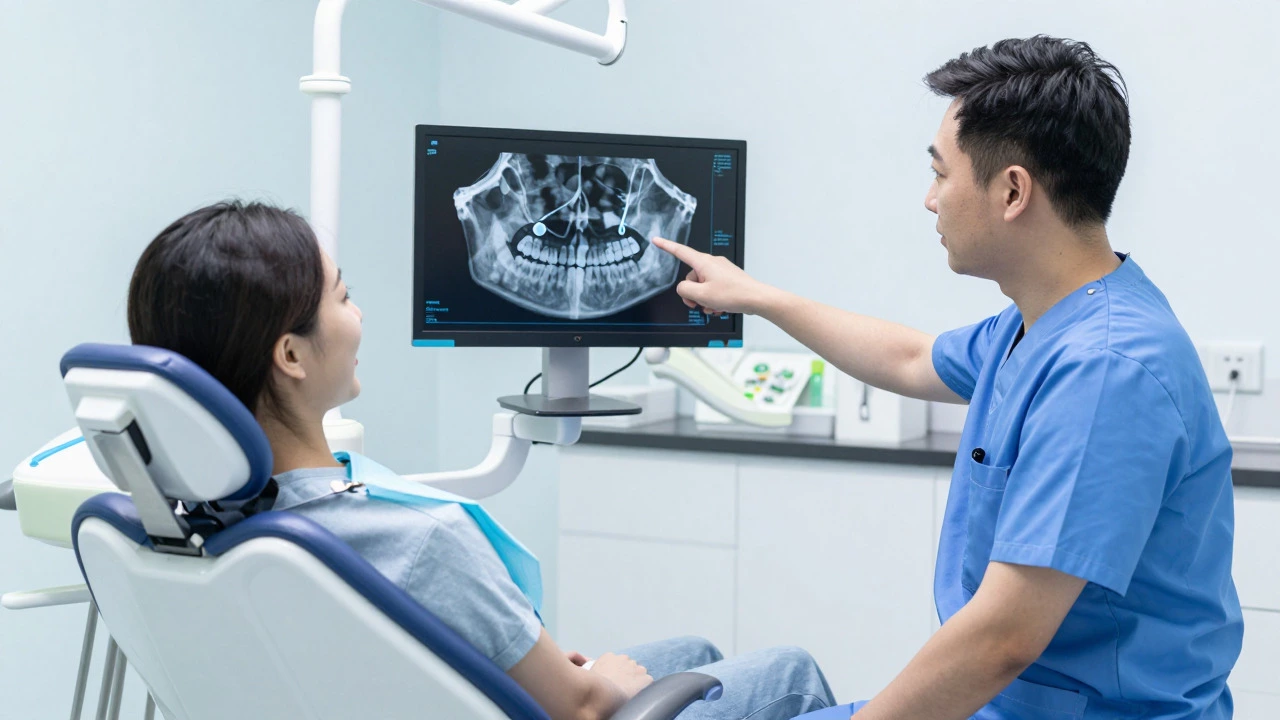
- Consultation and Planning (Weeks 1-2): You’ll undergo a 3D CBCT scan to assess bone volume. Your surgeon maps out where implants will go, avoiding nerves and sinuses.
- Tooth Extraction (Day 1): Remaining teeth are removed. If bone quality is good, implants are placed immediately. If not, you might wait 3-4 months for healing before placing implants.
- Healing Phase (Months 1-6): You wear temporary teeth. During this time, osseointegration occurs. You’ll eat soft foods and keep the area clean.
- Final Restoration (Month 6+): Once healed, impressions are taken for your permanent bridge. This is crafted in a lab for perfect fit and color match.
Pain management is crucial. Most patients report discomfort manageable with over-the-counter painkillers for the first few days. Swelling peaks around day three and subsides within a week. Sticking to the aftercare instructions prevents infections and ensures success.

Risks and Long-Term Maintenance
No surgery is risk-free. Potential complications include infection, nerve damage (leading to numbness in the lip or chin), or implant failure (where the body rejects the titanium). Choosing a qualified oral surgeon minimizes these risks. Look for specialists accredited by the General Dental Council (GDC) with specific training in implantology.
Once your implants are in, they aren’t invincible. They don’t get cavities, but the gums around them can get inflamed (peri-implantitis). To protect your investment:
- Clean daily with interdental brushes and water flossers.
- Visit your hygienist every 6 months.
- Avoid smoking, which drastically increases implant failure rates.
- Wear a night guard if you grind your teeth.
With proper care, dental implants can last 20 years or more. The prosthetic teeth themselves may need replacing due to wear and tear after 10-15 years, but the titanium posts often remain functional for life.
Finding the Right Clinic
Not all dentists do implants. General dentists might handle simple single-tooth replacements, but full mouth cases require surgical expertise. Seek out clinics that specialize in prosthodontics or oral surgery. Check reviews on Trustpilot or Feefo, but look for detailed comments about aftercare and communication, not just the final result.
Ask to see before-and-after photos of actual patients treated in that clinic. Be wary of clinics offering prices that seem too good to be true-they might be using lower-quality components or inexperienced staff. Your mouth is a complex environment; cheap shortcuts can lead to expensive fixes later.
Does the NHS pay for full mouth dental implants?
Generally, no. The NHS considers dental implants to be cosmetic unless there are exceptional medical circumstances, such as trauma from an accident or complications from cancer treatment. For most patients suffering from gum disease or decay, the NHS will provide extractions and traditional dentures instead.
How long do All-on-4 implants last?
The titanium implants themselves can last a lifetime with good oral hygiene. However, the prosthetic teeth attached to them may need replacement after 10 to 15 years due to normal wear and tear from chewing.
Is it painful to have all my teeth removed?
The procedure itself is painless because you are under local anesthesia or sedation. Post-surgery, you will experience swelling and soreness for about a week, which is typically managed with prescribed painkillers and anti-inflammatories.
Can I eat normally with full mouth implants?
Yes. One of the biggest advantages of fixed implants over dentures is bite force. Once fully healed, you can eat hard foods like apples, nuts, and steak without fear of your teeth slipping or breaking.
What if I don't have enough bone for implants?
If you have significant bone loss, you may need a bone graft before or during implant placement. This adds time and cost to the procedure but allows for successful implantation. Alternatively, zygomatic implants, which anchor into the cheekbone, can be an option for severe cases.