Hers Cost & Coverage Estimator
Since Hers operates on a cash-pay model, this tool helps you estimate your true out-of-pocket expenses and potential tax savings using HSA/FSA funds.
Service Details
Your Estimated Costs
Comparison: Hers vs. Traditional Dermatology
| Feature | Hers (Estimated) | Traditional Dermatologist |
|---|---|---|
| Initial Wait Time | 1-3 Days | 2-6 Weeks |
| Insurance Billing | Self-Pay / FSA | In-Network Copay |
| Reimbursement Potential | Low (Out-of-Network) | High (If Covered) |
Note: While Hers does not bill insurance directly, you may submit an itemized receipt for out-of-network reimbursement. However, administrative effort often outweighs the $10-$30 refund for most users. Always check your specific plan's "telehealth out-of-network" clause. If paying cash is difficult, consider alternatives like Curely or Teladoc which integrate with major insurers.
You’re staring at your bank account, wondering if you can afford to treat that stubborn hair thinning or persistent acne without draining your savings. You’ve heard Hers is a popular option for women’s health issues like hair loss and skin conditions, but the big question remains: does Hers accept insurance? The short answer is no-Hers operates on a direct-to-consumer cash-pay model. But before you close the tab, there’s more nuance here than just "yes" or "no." While they don’t bill your insurer directly, many users find ways to use their benefits to lower costs. Let’s break down exactly how this works so you can decide if Hers fits your budget.
The Direct-to-Consumer Model Explained
Hers, along with its sister brand Hims, functions differently from traditional healthcare providers. Instead of acting as a provider within an insurance network, Hers sells subscriptions and medications directly to you. This means when you sign up, you pay out-of-pocket for the consultation and the monthly supply of medication. There is no claim submitted to Aetna, UnitedHealthcare, or Blue Cross Blue Shield by Hers itself. This setup allows them to keep overhead low and prices transparent, but it shifts the financial responsibility entirely to you upfront.
Why would anyone choose this over using insurance? Speed and convenience. Traditional dermatology appointments can take weeks to schedule. With Hers, you often get a prescription in under 48 hours. For conditions like female pattern hair loss or mild acne, this immediacy is worth paying cash for. However, if you have a comprehensive health plan, you might still be able to recoup some of those costs through flexible spending accounts or reimbursement claims.
Using FSA and HSA Cards
Even though Hers doesn’t take insurance cards at checkout, most people forget that Flexible Spending Accounts (FSA) and Health Savings Accounts (HSA) are not tied to specific providers-they are tax-advantaged funds you control. If your employer offers these accounts, you can almost always use your FSA/HSA card to pay for Hers subscriptions. These accounts cover eligible medical expenses, which include prescription medications and sometimes even the consultation fee, depending on your plan’s rules.
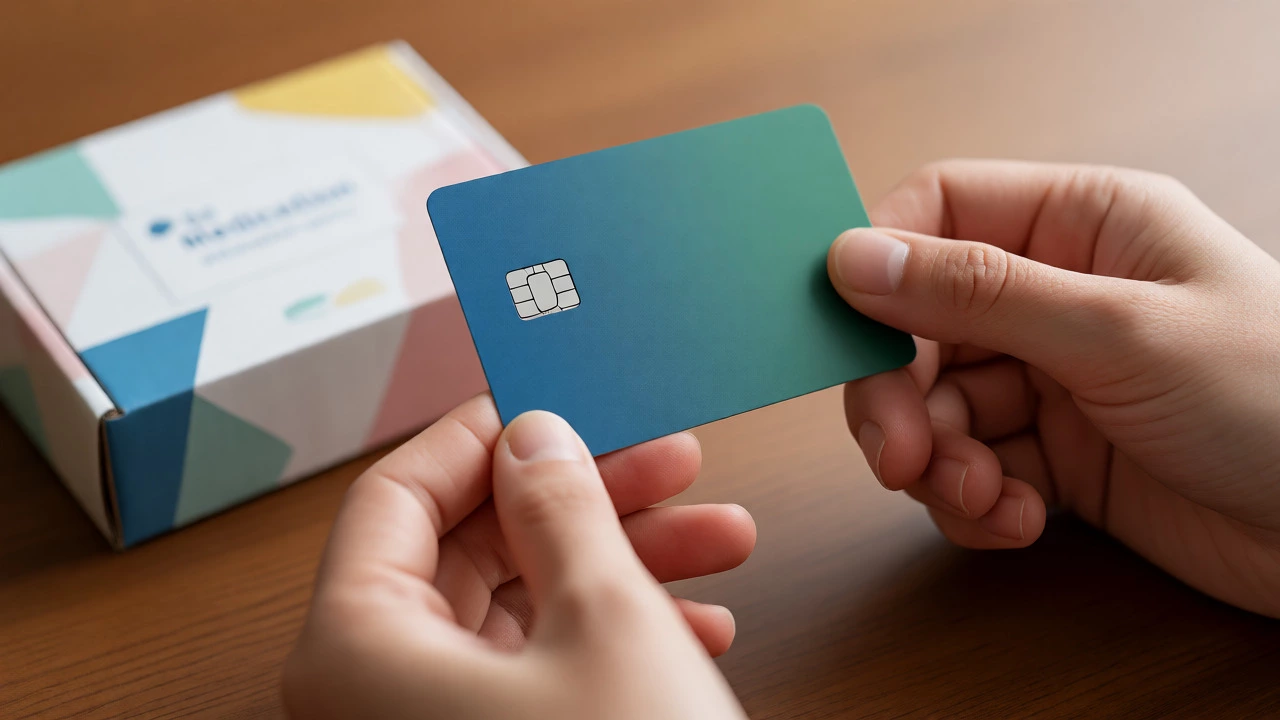
To do this, simply enter your FSA/HSA debit card information during checkout. It processes like any other Visa or Mastercard. Keep your receipts! If your plan requires proof of eligibility, you may need to submit a letter of medical necessity or the prescription detail later. This effectively makes the service "free" in terms of pre-tax dollars, lowering your taxable income while covering the cost of treatment.
Can You Get Reimbursement From Your Insurance?
This is where it gets tricky. Since Hers isn’t an in-network provider, you cannot expect them to bill your insurance. However, some insurance plans offer "out-of-network" reimbursement for telehealth services. This means you pay Hers first, then submit a claim to your insurer for partial repayment. This process is rarely straightforward. You’ll need to request an itemized receipt from Hers customer support, which includes the CPT codes for the consultation and the NDC codes for the medication.
Most users find that the administrative hassle outweighs the potential $10-$30 reimbursement. Unless you have a high-deductible plan with generous out-of-network benefits, chasing reimbursement is often a waste of time. Check your policy documents for "telehealth out-of-network" clauses before assuming you’ll get money back. In most cases, treating Hers as a cash-pay service is the safer bet.
Comparing Hers vs. Traditional Dermatology
To understand if the cash-pay model is worth it, compare it to the alternative. A traditional visit involves copays, deductibles, and waiting rooms. Here’s how the numbers stack up for common treatments like minoxidil for hair loss or tretinoin for acne.
| Feature | Hers (Cash Pay) | Traditional Dermatologist |
|---|---|---|
| Consultation Fee | $5-$15 (often waived with subscription) | $20-$50 Copay + Deductible impact |
| Medication Cost | $20-$60/month (bundled) | $10-$40/month (generic) via pharmacy |
| Time to Start | 1-3 Days | 2-6 Weeks (waitlist) |
| Insurance Billing | No (Self-pay/FSA/HSA) | Yes (In-network preferred) |
| Convenience | High (App-based) | Low (Office visits) |
Notice that while the medication itself might be cheaper at a local pharmacy like CVS or Walgreens, the total cost of care-including travel, time off work, and copays-often balances out. Hers bundles everything into one flat rate, which simplifies budgeting. If you value your time highly, the premium for Hers is usually justified.
Which Conditions Does Hers Treat?
Hers focuses specifically on women’s health concerns that are chronic but manageable with medication. They do not handle acute emergencies or complex diagnostic needs. Understanding the scope helps you determine if your condition qualifies for FSA/HSA use or if you need a full specialist.
- Hair Loss: Female pattern hair loss treated with topical minoxidil or oral finasteride (off-label).
- Acne: Topical retinoids, antibiotics, and combination creams.
- Bladder Control: Overactive bladder medications.
- Mental Health: Anxiety and depression management via SSRIs/SNRIs.
- Weight Management: GLP-1 agonists (like semaglutide) and other weight-loss aids.
If your issue falls outside these categories-say, a sudden rash or severe hormonal imbalance-Hers might refer you out. In those cases, using insurance with a traditional provider is better because Hers won’t prescribe specialized tests or advanced therapies covered by your plan.

Tips to Lower Your Out-of-Pocket Costs
Since you’re paying cash, you want to maximize value. Here are three proven strategies to reduce the burden.
- Use GoodRx Coupons: Even though Hers sends meds directly, you can sometimes apply discount coupons if you pick up locally, though Hers’ home delivery pricing is already competitive. Always check if a generic version is available; Hers prioritizes generics to keep costs down.
- Bundle Subscriptions: Hers often discounts the consultation fee if you commit to a 3-month or 6-month medication supply. The longer you subscribe, the lower the per-unit cost.
- Check Employer Wellness Programs: Some companies partner with telehealth platforms like Teladoc or Amwell. While Hers isn’t always integrated, some employers offer stipends for wellness apps. Ask HR if they reimburse for non-insurance telehealth services.
Alternatives That Do Accept Insurance
If paying cash is a dealbreaker, consider competitors that integrate with insurance networks. Not all telehealth services operate like Hers.
- Curely: Often accepts major insurance plans for mental health and primary care.
- Ro (Roman): Similar to Hers but has expanded insurance partnerships for certain men’s and women’s health products.
- Teladoc: Widely accepted by major insurers for general consultations, though they may not specialize in cosmetic/hair issues as deeply.
- DermDirect: A hybrid model that works with some insurance providers for prescription skincare.
Before switching, verify that the specific medication you need is covered under your plan’s formulary. Sometimes, even if the visit is covered, the branded drug isn’t, leading to surprise bills anyway.
Does Hers accept Medicaid?
No, Hers does not accept Medicaid directly. Because it is a private, cash-pay service, you must pay out of pocket. However, if your state Medicaid program allows self-directed spending or has a waiver for wellness services, you might be able to use those funds, but this is rare and requires prior approval.
Can I use my HSA card for Hers prescriptions?
Yes, generally you can. Prescription medications are qualified medical expenses. Most HSA debit cards will work instantly at checkout. Keep your transaction record in case your account administrator requests proof that the purchase was for a legitimate medical purpose.
Is Hers cheaper than going to a dermatologist?
It depends on your insurance deductible. If you haven’t met your deductible, a specialist visit could cost $150+. Hers typically ranges from $25-$70 per month including consultation. For minor issues like acne or hair loss, Hers is often cheaper and faster. For complex conditions requiring procedures, a dermatologist is necessary.
Does Hers provide a superbill for insurance reimbursement?
You can request an itemized receipt that acts like a superbill. It includes details needed for out-of-network claims. However, most users find the reimbursement amount too small to justify the paperwork effort. Check with your insurer first to see if they cover out-of-network telehealth for dermatology.
What happens if I cancel my Hers subscription?
You can cancel anytime before your next billing cycle. If you cancel mid-cycle, you usually keep the medication already shipped. There are no long-term contracts, making it easy to test the service without a huge financial commitment.