Coffee & Skin Aging Audit
Aging Risk Score
Fill out the form and click "Analyze" to see how your coffee habits might be affecting your skin's aging process.
Recommended Tweaks
You’ve probably heard the rumor: that your morning espresso is secretly stealing years off your life. It’s a scary thought, especially if you’re someone who needs three cups just to function before 10 AM. But does caffeine age you? Or is it actually helping you stay young?
The answer isn’t black and white-it’s more like the gradient of a latte. While some habits around drinking coffee can accelerate signs of aging, caffeine itself has surprising protective properties for your skin and body. Let’s break down what’s really happening when you take that sip.
Key Takeaways
- Caffeine is not inherently aging: In fact, its antioxidant properties may protect against UV damage and inflammation.
- Dehydration is often a myth: Moderate coffee consumption doesn’t significantly dehydrate you enough to cause wrinkles.
- Sleep disruption is the real culprit: Poor sleep from late-day caffeine intake accelerates skin aging far more than the drink itself.
- Additives matter most: Sugar and cream can lead to glycation, which breaks down collagen faster than caffeine ever could.
- Topical vs. Oral: Applying caffeine directly to the skin offers different benefits (like reducing puffiness) compared to drinking it.
The Antioxidant Powerhouse in Your Cup
When people worry about caffeine causing premature aging, they usually forget one crucial fact: coffee is loaded with antioxidants. Specifically, chlorogenic acid and polyphenols found in coffee beans are potent fighters against free radicals. Free radicals are unstable molecules generated by pollution, UV rays, and stress that damage cells and speed up aging.
A study published in the Journal of Agricultural and Food Chemistry highlighted that coffee is one of the biggest sources of antioxidants in the Western diet. This means that while you might be worried about the jittery side effects, your liver and cells are getting a significant boost in their defense systems. These compounds help neutralize oxidative stress, which is a primary driver of cellular aging. So, paradoxically, the very thing blamed for drying out your skin is also helping repair the damage caused by the sun and city smog.
Does Coffee Dehydrate Your Skin?
This is the big question. We’ve all been told that coffee makes you pee, and therefore, it dries you out. Dry skin looks older because fine lines become more visible when there’s no plumpness underneath. But is this true?
Research suggests that moderate caffeine intake-about 3 to 4 cups a day-does not have a diuretic effect strong enough to cause dehydration in regular drinkers. Your body builds a tolerance to the mild diuretic nature of caffeine. If you drink water alongside your coffee (which you should anyway), your hydration levels remain stable. However, if you replace water entirely with coffee, or if you’re sensitive to caffeine, you might experience slight fluid loss. But this is easily fixed with a glass of water, not by quitting coffee altogether.
Think of it this way: if your skin looks dull, it’s likely not the caffeine stripping moisture away. It’s more likely due to environmental factors, lack of sleep, or not drinking enough plain water throughout the day. Don’t let the dehydration myth scare you away from a healthy habit.
The Sleep Connection: How Caffeine Indirectly Ages You
Here is where the "caffeine ages you" argument holds the most weight. It’s not the liquid; it’s the timing. Cortisol, your primary stress hormone, naturally spikes in the morning to wake you up. Caffeine blocks adenosine receptors in the brain, keeping you alert. But if you consume caffeine too late in the day, it interferes with deep sleep cycles.
Deep sleep is when your body repairs tissues and produces growth hormones. If you’re cutting into your REM or deep sleep stages because you had an afternoon cappuccino, your skin misses out on its nightly repair window. Chronic poor sleep leads to higher cortisol levels, which breaks down collagen-the protein that keeps your skin firm and elastic. So, if you wake up looking tired and puffy, blaming the coffee is accurate only if you drank it after 2 PM.
| Habit | Potential Aging Effect | Mitigation Strategy |
|---|---|---|
| Late-night consumption | Disrupts sleep, raises cortisol, reduces collagen repair | Cut off caffeine 8-10 hours before bed |
| High sugar additives | Glycation damages collagen fibers | Switch to stevia, monk fruit, or drink black |
| Excessive intake (>5 cups) | Anxiety, potential nutrient absorption issues | Limit to 3-4 cups per day |
| Drinking without water | Mild dehydration over time | Drink one glass of water for every cup of coffee |
Sugar, Cream, and the Glycation Trap
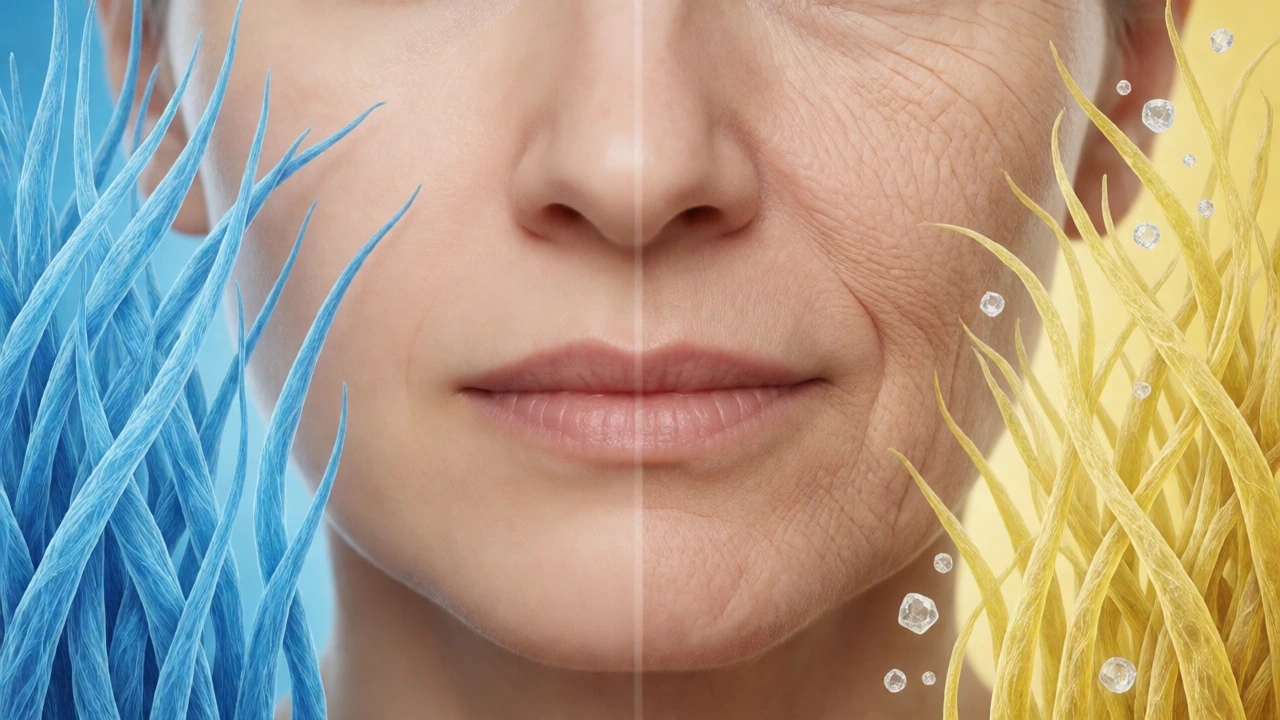
If we look closely at what causes skin sagging and yellowing, caffeine rarely gets the blame. Instead, sugar is the real villain. When you eat sugar, it binds to proteins in a process called glycation. This forms Advanced Glycation End-products (AGEs). AGEs make collagen stiff and brittle, leading to wrinkles and loss of elasticity.
Consider the difference between a black espresso and a large vanilla latte with whipped cream. The black espresso provides antioxidants and minimal calories. The latte might contain 30-40 grams of sugar. That sugar spike triggers insulin release, which can increase inflammation and sebum production, potentially worsening acne and accelerating aging. If you love your sweet treats, try switching to unsweetened almond milk or oat milk, and use cinnamon instead of syrup for flavor. You get the ritual without the glycation hit.
Topical Caffeine: A Different Story
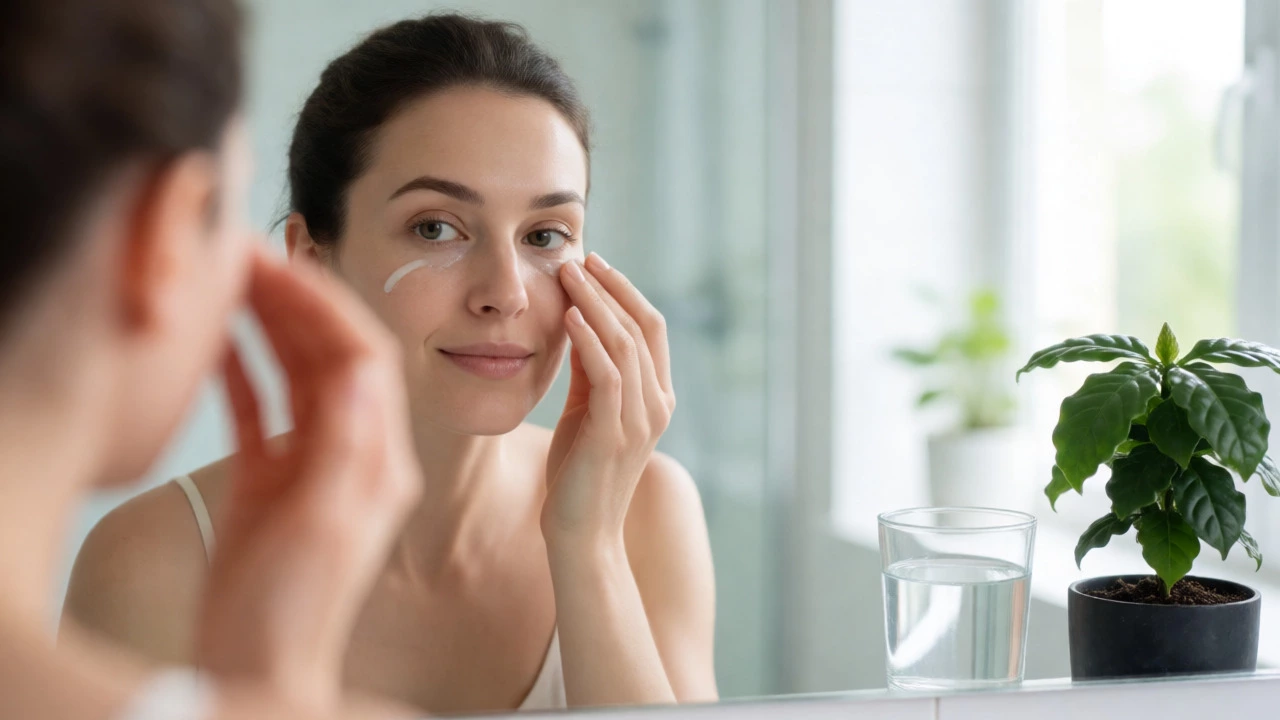
While drinking coffee has systemic effects, applying caffeine topically is a popular trend in skincare for good reason. Topical caffeine acts as a vasoconstrictor. This means it narrows blood vessels, which helps reduce puffiness and dark circles under the eyes. It’s why many eye creams list caffeine as a key ingredient.
Unlike oral consumption, topical caffeine doesn’t affect your sleep or hydration levels. It works locally on the skin barrier. Some studies suggest it may also stimulate hair follicles, which is why it’s common in shampoos for thinning hair. If you’re worried about internal aging but want the benefits, incorporating a caffeine-infused serum into your morning routine is a safe, effective strategy. Just remember that topical products don’t replace sunscreen or moisturizer-they complement them.
How Much Is Too Much?
There’s a sweet spot for coffee lovers. Most health organizations, including the FDA, suggest that up to 400 milligrams of caffeine per day is safe for most healthy adults. That’s roughly four 8-ounce cups of brewed coffee. Within this range, the antioxidant benefits generally outweigh the risks.
However, individual sensitivity varies greatly. Some people metabolize caffeine slowly due to genetics. If you feel anxious, shaky, or have trouble sleeping even after one cup, you might be a slow metabolizer. In this case, excess caffeine keeps your nervous system in a state of high alert, which is stressful for the body. Chronic stress ages us faster than almost anything else. Listen to your body. If two cups make you feel great, stick to two. There’s no badge of honor in drinking five cups if it leaves you feeling wired and tired.
Practical Tips for Anti-Aging Coffee Drinking
You don’t need to quit coffee to stay young. You just need to optimize how you drink it. Here are some actionable steps to ensure your habit supports your anti-aging goals:
- Timing is everything: Stop drinking caffeine by early afternoon. Aim for a cutoff time of 12 PM or 1 PM to protect your sleep quality.
- Hydrate strategically: Drink a full glass of water before your first coffee of the day. This rehydrates you after sleep and offsets any mild diuretic effect.
- Watch the extras: Reduce added sugars. Try cold brew with a splash of unsweetened milk. Cold brew is less acidic, which might be gentler on your gut, indirectly supporting better nutrient absorption.
- Protect your teeth: Coffee stains teeth, which can make you look older. Rinse your mouth with water after drinking, or use a straw for iced coffees to minimize contact with enamel.
- Pair with healthy fats: If you add fat, choose MCT oil or grass-fed butter rather than processed creamers filled with seed oils and stabilizers.
Frequently Asked Questions
Does drinking coffee cause wrinkles?
Not directly. Coffee itself does not cause wrinkles. In fact, its antioxidants may help prevent them. Wrinkles are more likely caused by dehydration from lack of water, excessive sugar intake in coffee drinks, or sleep deprivation caused by drinking coffee too late in the day.
Is decaf coffee better for anti-aging?
Decaf retains many of the same antioxidants as regular coffee, such as chlorogenic acid. If you are sensitive to caffeine or struggle with sleep, decaf is a great option to get the antioxidant benefits without the risk of disrupting your restorative sleep cycles.
Can caffeine cause dry skin?
Caffeine is a mild diuretic, but in moderate amounts, it does not significantly dehydrate the body. Dry skin is more commonly linked to environmental factors, harsh cleansers, or insufficient overall water intake. Ensuring you drink water alongside your coffee prevents any potential dryness.
Does topical caffeine work for under-eye bags?
Yes, topical caffeine is effective for temporarily reducing under-eye puffiness. It constricts blood vessels, which reduces swelling and dark circles caused by blood pooling. Look for serums with 3-5% caffeine concentration for best results.
How much coffee is safe to drink daily?
For most healthy adults, up to 400 mg of caffeine per day (about 3-4 cups) is considered safe and beneficial. Individual tolerance varies, so adjust based on how your body reacts regarding anxiety, heart rate, and sleep quality.
Final Thoughts
So, does caffeine age you? For most people, no. The fear is largely misplaced. The real enemies of youthful skin are chronic stress, poor sleep, high sugar intake, and UV exposure. Coffee, when consumed mindfully, is a powerful ally in the fight against aging thanks to its rich antioxidant profile.
Your next step is simple: audit your coffee routine. Are you drinking it too late? Are you loading it with sugar? Are you forgetting to hydrate? Make small tweaks today, and you can keep enjoying your favorite brew without worrying about the clock ticking on your skin.