Cruelty-Free Knowledge Quiz
Are you sure about which brands are truly cruelty-free? Take this quick quiz to test your understanding of the complex world of ethical beauty.
Loading question...
Quiz Complete!
0/5
Keep learning about ethical skincare.
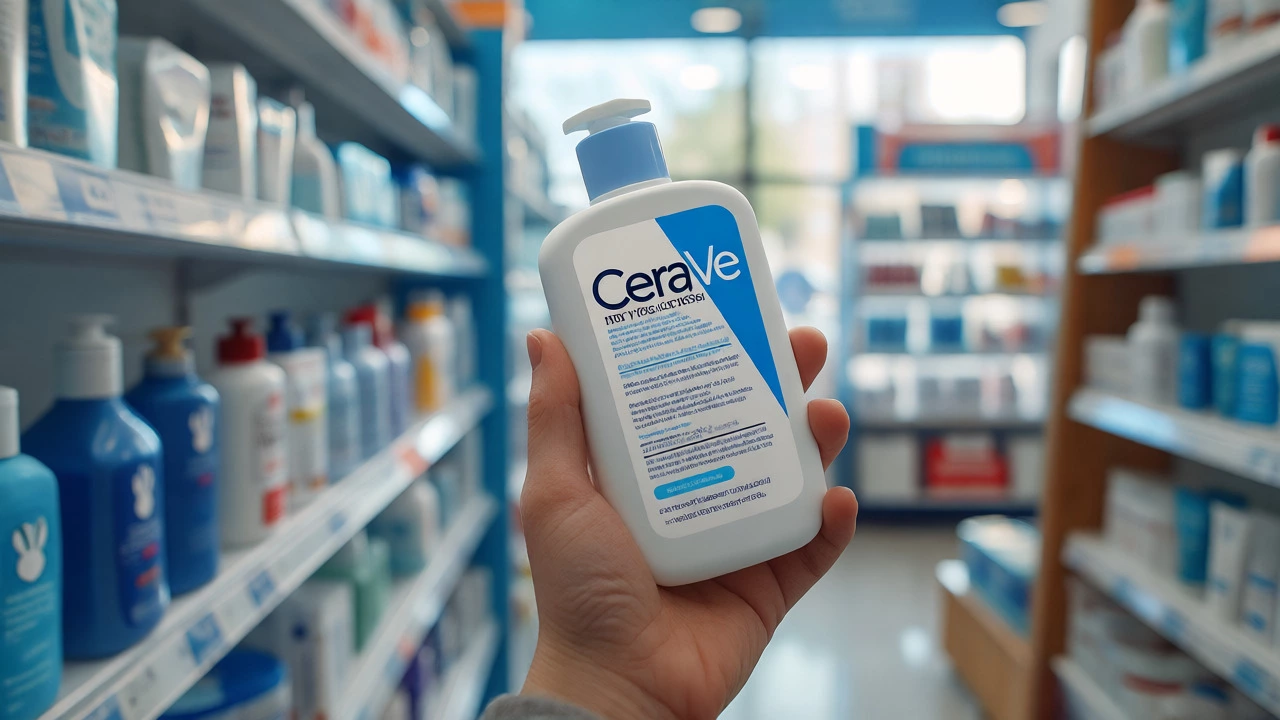
You’re standing in the aisle of your local pharmacy, holding a bottle of CeraVe moisturizing lotion. It’s everywhere-recommended by dermatologists, loved for its ceramides, and affordable. But as you flip the bottle over, looking for that little bunny logo, you realize it’s not there. Does that mean they test on animals? Or is it just bad labeling?
This confusion is common because the beauty industry’s rules around animal testing are messy, contradictory, and often hidden behind corporate structures. If you care about ethical consumption, you need to know exactly where CeraVe stands. Spoiler alert: the answer isn’t a simple "yes" or "no." It depends on whether you define "cruelty-free" by brand policy or by market access.
The Short Answer: Is CeraVe Cruelty-Free?
No, CeraVe is not considered cruelty-free by major certifying bodies like Leaping Bunny or PETA. While the brand states they do not test finished products on animals unless required by law, their presence in mainland China exposes them to mandatory animal testing regulations. For strict cruelty-free shoppers, this disqualifies them.
Here’s why this distinction matters. Many brands claim to be against animal testing but sell in countries where governments require safety tests on animals before products can hit shelves. CeraVe falls into this category. They don’t initiate the tests themselves, but they pay for them indirectly by choosing to enter those markets. If your goal is to avoid supporting any supply chain linked to animal suffering, CeraVe doesn’t make the cut.
Understanding the "Required by Law" Loophole
To understand why CeraVe fails the cruelty-free test, you have to look at international regulations. Historically, mainland China required all imported cosmetics to undergo animal testing to ensure safety. This created a massive barrier for Western brands wanting to tap into the Chinese consumer market.
As of 2026, the situation has evolved. China has removed mandatory animal testing for most general cosmetics (like shampoo, soap, and makeup) manufactured domestically. However, imported special-use cosmetics (like sunscreens and hair dyes) and certain imported general cosmetics may still face post-market testing or specific pre-market requirements depending on the product classification and risk assessment.
CeraVe sells widely in Asia, including regions with strict regulatory frameworks. Even if they aren't testing every single batch in a lab, the possibility remains that authorities could demand testing on a sample set. Brands certified by Leaping Bunny must guarantee zero animal testing at every stage, including suppliers and third parties, globally. Because CeraVe cannot guarantee this due to potential legal mandates in export markets, they lack the certification.
The Parent Company Problem: L’Oréal Group
If you dig deeper than the brand label, you’ll find another red flag for many ethical consumers. CeraVe is owned by L’Oréal, one of the largest cosmetics companies in the world. L’Oréal itself is not cruelty-free. They own numerous brands that do test on animals or sell in markets requiring it.
Some shoppers follow a strict rule: if the parent company tests on animals, the subsidiary brand is tainted by association. Others take a more nuanced approach, believing that buying from a sub-brand within a larger conglomerate doesn’t directly fund the parent’s testing programs. Both viewpoints are valid, but it’s crucial to know who owns the money you’re spending.
| Brand | Animal Testing Policy | Certification | Parent Company |
|---|---|---|---|
| CeraVe | Tests when required by law | None | L’Oréal |
| The Ordinary | No testing (except where legally mandated) | PETA Global | Estée Lauder |
| Paula’s Choice | No testing | Leaping Bunny | Independent |
| Eucerin | Tests when required by law | None | Beiersdorf |

What Does CeraVe Actually Say?
When you check CeraVe’s official FAQ section, they typically state something like: "We do not test our products on animals unless required by law." This is standard boilerplate language used by thousands of brands. It’s technically true-they don’t send rabbits to labs voluntarily-but it’s also a disclaimer that protects them from accountability when governments intervene.
Unlike truly cruelty-free brands that refuse to sell in markets requiring animal testing, CeraVe prioritizes global availability. This means you can buy CeraVe in Auckland, London, New York, and Shanghai. That convenience comes at an ethical cost for some consumers. If you want a brand that says "we will lose money rather than compromise our ethics," CeraVe isn’t that brand.
Are There Truly Cruelty-Free Alternatives to CeraVe?
If you love CeraVe for its formulation-specifically the use of ceramides, hyaluronic acid, and niacinamide-you don’t have to give up those ingredients. Several other brands offer similar skin-barrier repair benefits without the animal testing baggage.
- Vanicream: Often recommended by dermatologists alongside CeraVe, Vanicream is free of dyes, fragrance, masking fragrance, lanolin, parabens, and formaldehyde releasers. While they don’t always carry a Leaping Bunny logo on every package, their policy aligns closely with cruelty-free standards, though you should verify current status as policies change.
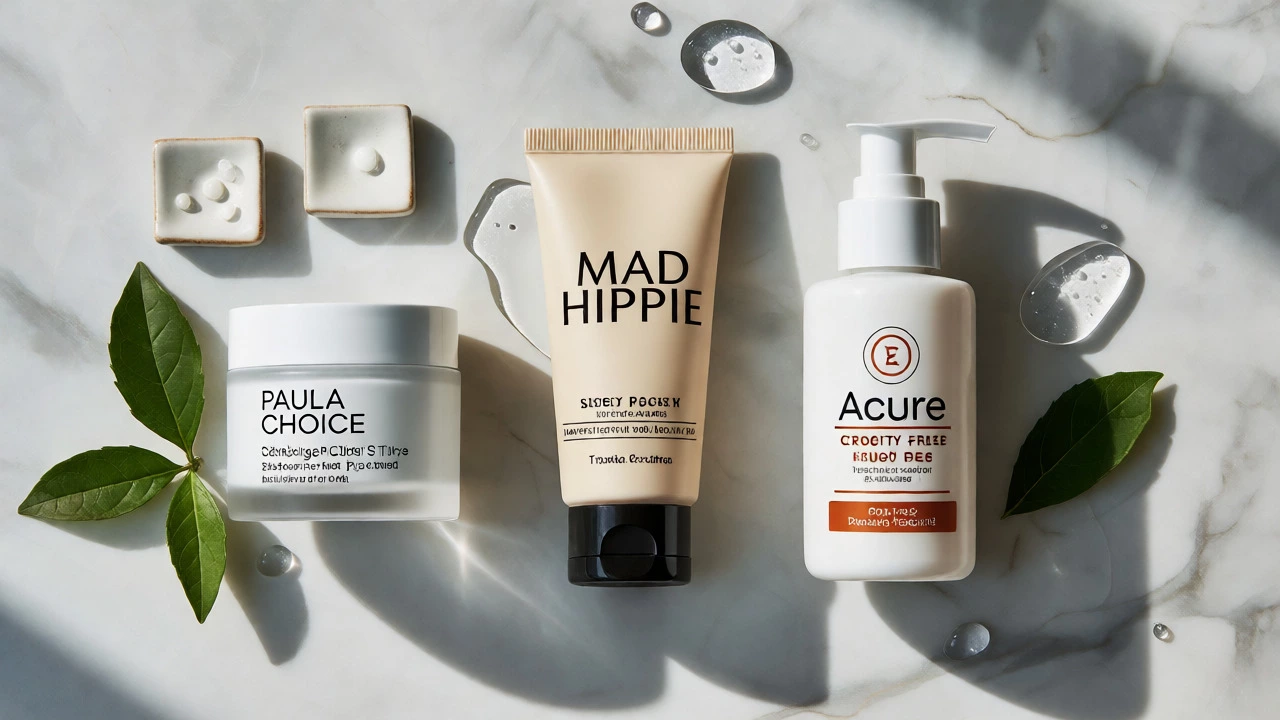
- Paula’s Choice: A gold-standard option for science-backed skincare. They are Leaping Bunny certified and independent. Their barrier repair creams use ceramides and cholesterol similarly to CeraVe.
- Mad Hippie: A fully vegan and cruelty-free brand that uses natural ingredients. Their Hydrating Facial Moisturizer is a great alternative if you want plant-based hydration.
- Acure: Affordable, widely available, and Leaping Bunny certified. Their Brightening Facial Scrub and Daily Moisturizing Cream are popular swaps.
How to Spot a Real Cruelty-Free Brand
Don’t trust the packaging alone. Green leaves, bunnies, and phrases like "against animal testing" are marketing terms, not legal definitions. Here is how to verify a brand’s status yourself:
- Check the Certification Logos: Look for the Leaping Bunny logo or the PETA Beauty Without Bunnies logo. These organizations audit supply chains. A random bunny sticker drawn by a graphic designer means nothing.
- Investigate the Parent Company: Use tools like the Cruelty-Free Kitty database or Ethical Elephant. Search the brand name. If the parent company (e.g., Unilever, Procter & Gamble, L’Oréal) tests on animals, decide if that bothers you.
- Read the Fine Print: Go to the brand’s website and search for "Animal Testing Policy." If they mention "required by law," they are likely selling in China or other restrictive markets.
- Look for Vegan Labels: Note that "vegan" and "cruelty-free" are different. Vegan means no animal-derived ingredients (like beeswax or carmine). Cruelty-free means no animal testing. A product can be one, both, or neither.
Why Dermatologists Still Recommend CeraVe
Despite the controversy, CeraVe remains a top recommendation for eczema, dry skin, and compromised barriers. Why? Because the formulation works. The technology they use, called MVE Technology, releases ingredients slowly throughout the day. It’s effective, cheap, and accessible.
If you are strictly focused on results and budget, and you don’t mind the ethical gray area, CeraVe performs well. However, if your purchase decision hinges on moral consistency, you might feel uneasy knowing your money supports a system that permits animal testing in certain jurisdictions. It’s a personal trade-off between efficacy/accessibility and ethical purity.
Frequently Asked Questions
Does CeraVe test on animals in the USA?
No, CeraVe does not conduct animal testing on its products sold in the United States. However, because they sell internationally in markets where testing may be required by law, they are not classified as a globally cruelty-free brand.
Is CeraVe owned by a cruelty-free parent company?
No. CeraVe is owned by L’Oréal, which is not a cruelty-free company. L’Oréal conducts or commissions animal testing where required by law and owns several brands that are not certified cruelty-free.
Are CeraVe products vegan?
Not all CeraVe products are vegan. Some contain animal-derived ingredients such as glycerin (which can be plant or animal sourced, though CeraVe often uses synthetic/plant sources, verification varies by product) or cholesterol. Always check the specific ingredient list for each product if veganism is a priority.
What is the best cruelty-free alternative to CeraVe Moisturizing Cream?
Paula’s Choice Omega+ Complex Moisturizer or Mad Hippie Advanced Skin Care Face Cream are strong alternatives. Both are cruelty-free, use ceramides, and target barrier repair similar to CeraVe.
Did China ban animal testing for cosmetics?
China has significantly reduced mandatory animal testing for general cosmetics since 2021. However, imported special-use cosmetics and products that fail certain safety assessments may still require animal testing. Therefore, brands selling in China cannot universally claim to be cruelty-free without rigorous auditing.