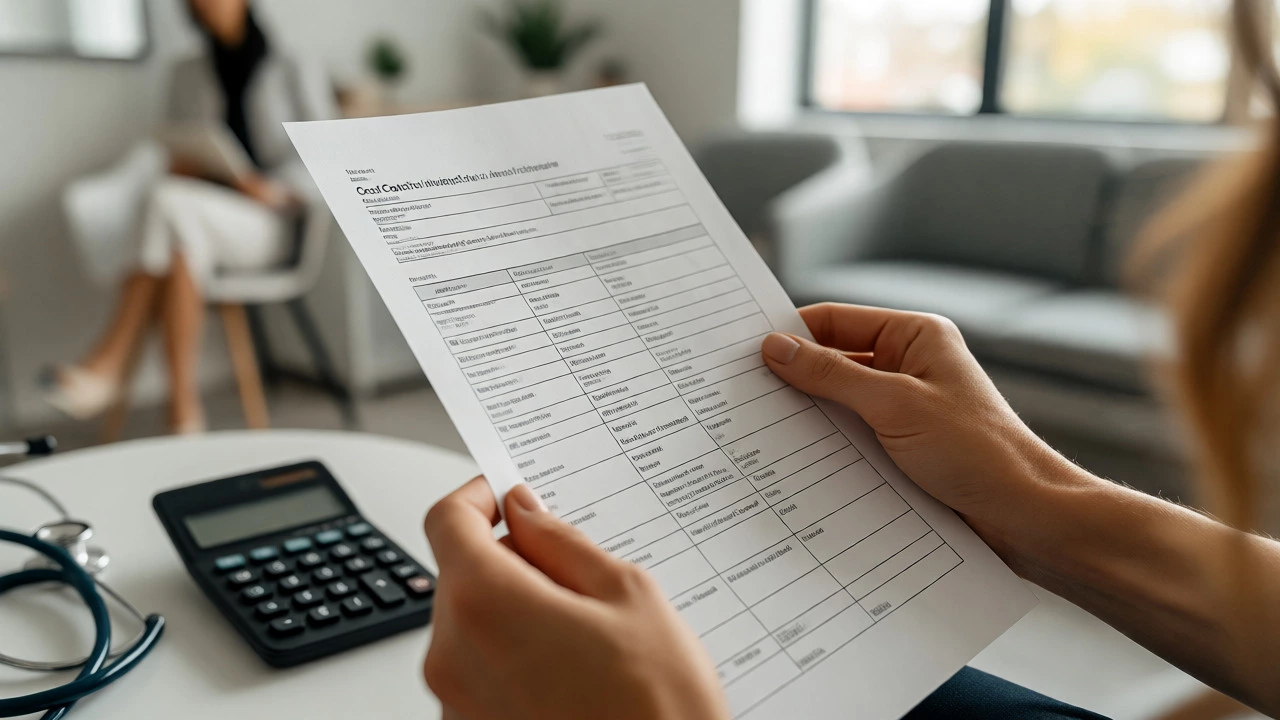
Tummy Tuck Cost & Safety Estimator
Safety & Quality Checklist
Tick boxes to verify if these are included/confirmed by your clinic. Missing items increase risk.
Estimated Total Cost
Based on regional averages and standard inclusions:
Your Quote vs. Average
Safety Score
Staring at a quote for tummy tuck (abdominoplasty) that makes your eyes water? You aren't alone. In the UK, prices can swing wildly from £4,000 to over £12,000 for what looks like the same procedure on paper. The trick isn't just finding the lowest number; it's finding the right balance between cost and safety without falling into the "you get what you pay for" trap.
The Real Cost Breakdown
Before you book a consultation, you need to understand what you are actually paying for. A tummy tuck isn't just one fee. It’s a bundle of services. When you see a "cheap" ad, check if it includes the three big hitters: surgeon fees, anaesthetist fees, and hospital costs. Often, the advertised price is just the surgeon's cut. If the anaesthetist charges £800 extra and the hospital stay adds another £1,500, that "bargain" suddenly looks pretty standard.
Most reputable clinics in the UK break this down transparently. For a mini tummy tuck, expect to pay between £3,500 and £6,000. A full tummy tuck usually lands between £5,000 and £9,000. Extended or circumferential tucks (often called a body lift) can push past £10,000. These figures include VAT, which is mandatory in private healthcare. If a clinic quotes a price excluding VAT, add 20% immediately to see the real damage.
| Region | Mini Tummy Tuck (£) | Full Tummy Tuck (£) | Body Lift (£) |
|---|---|---|---|
| London & South East | £4,500 - £7,000 | £6,500 - £10,000+ | £9,000 - £14,000 |
| Northern England | £3,500 - £5,500 | £5,000 - £8,000 | £7,500 - £11,000 |
| Scotland & Wales | £3,200 - £5,000 | £4,800 - £7,500 | £7,000 - £10,500 |
| Midlands | £3,800 - £5,800 | £5,200 - £8,200 | £7,800 - £11,200 |
Why Location Matters More Than You Think
Geography plays a huge role in pricing. London surgeons charge a premium because their overheads are massive. Renting a practice in Harley Street costs significantly more than leasing space in Manchester or Leeds. This doesn't mean London surgeons are better-it just means they have higher bills to cover. If you live outside the capital, looking at major cities in the North or Midlands often yields better value.
Consider travelling for surgery. Many patients find saving £2,000-£3,000 on the procedure outweighs the cost of a train ticket and a night in a hotel. However, logistics matter. You cannot drive home after general anaesthesia. You need someone to collect you and help you for the first 24-48 hours. Factor in the cost of accommodation for yourself and a companion if you travel far. Sometimes, the "cheapest" option becomes expensive once you add travel fatigue and care support.
Surgeon Credentials vs. Price Tags
A low price tag should never compromise your safety. Check if the surgeon is on the General Medical Council (GMC) specialist register for plastic surgery. This is non-negotiable. Any doctor can call themselves a cosmetic surgeon, but only those on the specialist register have completed the full training pathway for reconstructive and aesthetic procedures.
Look for membership in the British Association of Plastic, Reconstructive and Aesthetic Surgeons (BAPRAS) which sets strict standards for patient care and outcomes. BAPRAS members adhere to rigorous guidelines. A cheaper surgeon who isn't a member might be cutting corners on follow-up care or using less experienced assistants. Ask specifically about their complication rates. Good surgeons will share anonymized data. If they hesitate, walk away.

Hospital Standards and Hidden Fees
The facility where you have surgery impacts the price. NHS hospitals sometimes offer private wings with lower overheads than luxury private suites. Some independent clinics use partner hospitals rather than owning their own facilities. This can reduce costs because they don't maintain empty operating theatres all day. However, ensure the hospital has a dedicated intensive care unit (ICU) nearby. While rare, complications like blood clots require immediate access to emergency care.
Watch out for hidden extras. Does the quote include compression garments? These are essential for recovery and can cost £100-£200 if bought separately. Are post-op appointments included? Most surgeons want to see you at 1 week, 6 weeks, and 6 months. If these visits cost £150 each, add £450 to your total. Also, ask about revision policies. If you’re unhappy with the result, does the clinic offer a free revision within a year? Or do you pay full price again?
Financing Options That Save Money
You don’t always need cash upfront. Many UK clinics partner with finance providers like Chrysalis Finance a popular provider offering flexible payment plans for medical treatments. Interest-free periods (usually 6-12 months) can help spread the cost without adding debt. Be careful with long-term loans; interest rates on medical finance can hit 15-20% APR, wiping out any savings from choosing a cheaper surgeon.
Some clinics offer seasonal promotions, particularly in January or late summer when demand dips. Don’t be shy about asking for a package deal. If you’re combining a tummy tuck with liposuction (often called a "mommy makeover" component), negotiate the combined price. Bundling procedures usually saves 10-15% compared to booking them separately.

How to Spot a Bargain vs. a Trap
Here is a quick checklist before you sign anything:
- GMC Registration: Is the surgeon on the specialist register for plastic surgery?
- All-Inclusive Quote: Does the price cover surgeon, anaesthetist, hospital, and VAT?
- Follow-Up Care: Are post-op checks included for at least 12 months?
- Complication Cover: What happens if something goes wrong? Who pays for the fix?
- Real Reviews: Look for reviews on Trustpilot or Google, not just testimonials on the clinic’s website.
If a quote seems too good to be true, it probably is. A £3,000 full tummy tuck in London is suspicious. It likely excludes anaesthetist fees or uses a junior registrar under supervision rather than a consultant. Always request a written breakdown of every single line item.
Alternatives to Traditional Surgery
If cost is the main barrier, consider if you truly need a full surgical tummy tuck. Non-surgical options like CoolSculpting a non-invasive fat reduction treatment using cryolipolysis or radiofrequency skin tightening are cheaper (£1,500-£3,000 per session) but address fat and mild laxity, not loose skin. They won’t remove excess skin after pregnancy or massive weight loss.
For mild cases, an endoscopic tummy tuck might be an option. It uses smaller incisions and camera guidance, potentially reducing recovery time and cost slightly. However, it’s not suitable for everyone. Discuss your specific anatomy with a surgeon to see if a less invasive technique could save you money without compromising results.
Is a tummy tuck covered by the NHS?
Rarely. The NHS typically covers abdominoplasty only if there is a functional problem, such as severe back pain caused by hanging skin or chronic rashes under the abdominal fold that haven't responded to other treatments. Cosmetic reasons alone usually disqualify you from NHS funding.
Can I pay in instalments for a tummy tuck?
Yes, most private clinics offer financing through third-party providers like Chrysalis or V12. Look for interest-free options if you can pay off the loan within 12 months. Longer terms incur significant interest, making the total cost much higher.
What is the difference between a mini and full tummy tuck?
A mini tummy tuck addresses only the area below the navel and involves a shorter scar. It is cheaper and has a faster recovery. A full tummy tuck repairs muscle separation (diastasis recti) across the entire abdomen and removes excess skin above and below the navel, requiring a longer scar around the belly button.
Are online price calculators accurate?
Online calculators provide rough estimates based on averages. They cannot account for individual factors like previous scars, amount of excess skin, or muscle repair needs. Always get a face-to-face assessment for a firm quote.
How long do I need to stay near the clinic after surgery?
You must remain within 30 minutes of the clinic for the first 24-48 hours. Most surgeons recommend staying locally for 5-7 days to allow for initial drain removal and wound checks. Plan your accommodation accordingly.