Dental Implant Cost Calculator
Compare the estimated costs of getting dental implants in the UK versus popular European destinations. This tool helps you visualize potential savings based on current market averages.
Cost Comparison
| Location | Avg. Cost Per Implant | Total Treatment Cost | Potential Savings vs UK |
|---|
Waiting six months for a routine crown or paying £2,500 for a single implant is not just annoying; it feels like a penalty for living in the wrong place. If you are standing in front of your mirror, wincing at the thought of another NHS waiting list notification or staring at a private quote that makes your bank account bleed, you are not alone. Thousands of people from the UK and beyond are looking across the channel, asking a simple question: where can I get world-class dental work without going broke?
The answer isn't just about finding the cheapest dentist. It is about balancing cost, quality, travel logistics, and aftercare. When we talk about dental implants, we are talking about surgery that needs to last decades. You cannot afford to cut corners on materials or surgeon experience just to save a few hundred pounds. But you also shouldn't overpay simply because of geography.
The Rise of Medical Tourism in Europe
Dental tourism has exploded since the pandemic. The barriers to crossing borders have lowered, and information is more transparent than ever. Patients now treat dental care like any other major purchase: they compare specs, read reviews, and look for the best value. For many, this means traveling to countries with lower labor costs but high medical standards.
It is important to understand why prices vary so much. In the UK, private dental fees cover high overheads, expensive malpractice insurance, and often a lack of competition in certain areas. In contrast, countries like Hungary or Poland have a surplus of highly trained dentists who graduated from top-tier universities. They compete fiercely for patients, which drives prices down while keeping quality high to maintain their international reputation.
This shift has created a robust ecosystem. Clinics in these destination countries now speak fluent English, offer airport transfers, and even arrange accommodation. They understand that you are not just buying a filling; you are buying a package of service, convenience, and results.
Hungary: The Capital of Dental Implants
If you mention dental tourism to anyone in the industry, Hungary is the first name that comes up. Budapest has earned the nickname "The Tooth Capital of Europe" for good reason. The country has invested heavily in modernizing its dental infrastructure over the last two decades. Many clinics here use state-of-the-art technology, including 3D CBCT scanners and CAD/CAM milling machines, which allow for same-day crowns and precise implant placement.
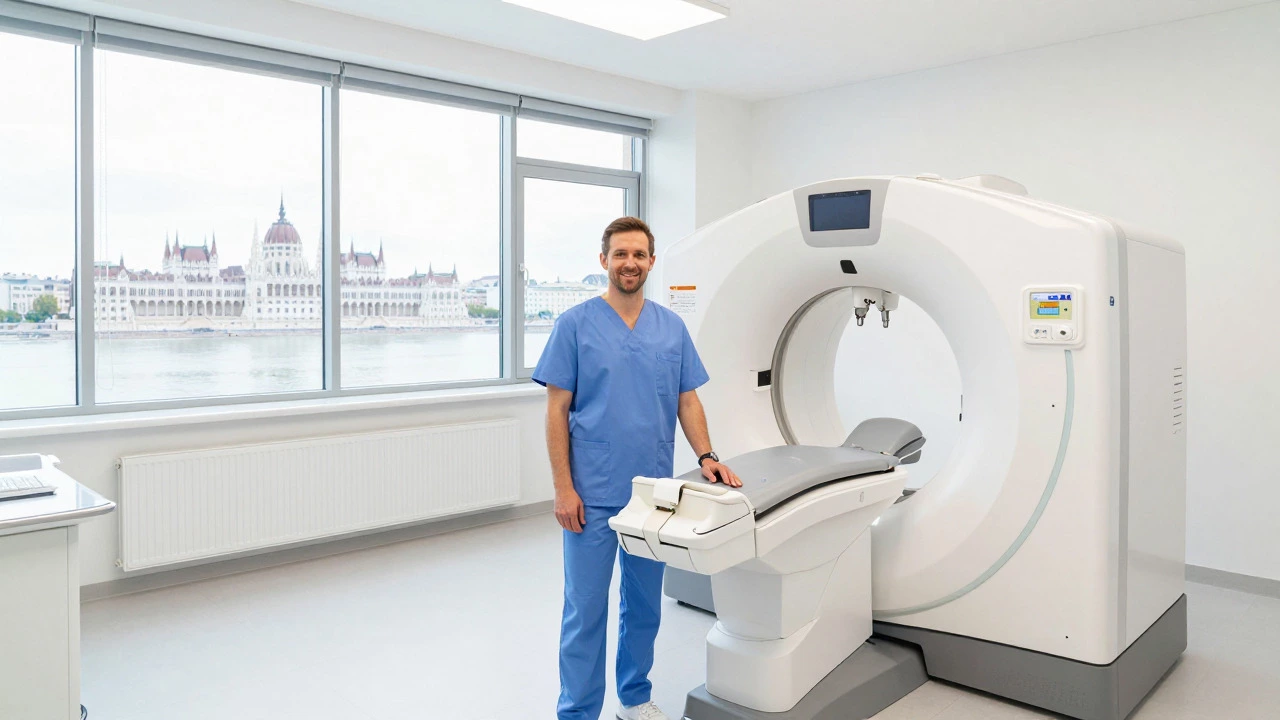
Budapest is a hub for dental tourism featuring thousands of specialized clinics equipped with advanced technology. The city offers a unique blend of affordable luxury and medical excellence. You can walk out of a clinic with a new smile and immediately enjoy the thermal baths or the ruin bars, making the trip feel less like a medical errand and more like a mini-vacation.
Why do patients choose Hungary? Primarily for the price-to-quality ratio. A full mouth rehabilitation that might cost £15,000 in the UK can be done for £4,000-£6,000 in Budapest. The dentists here are accustomed to complex cases. They don't just place implants; they handle bone grafts, sinus lifts, and gum contouring with expertise. The language barrier is virtually non-existent in reputable clinics, as staff are trained specifically to cater to British and Western European patients.
Spain: Quality Meets Lifestyle
While Hungary dominates the volume market, Spain is the choice for those who want premium aesthetics combined with a relaxed environment. Cities like Barcelona, Madrid, and Valencia have some of the most respected dental schools in Europe. Spanish dentists are known for their artistic approach to cosmetic dentistry. If you are looking for veneers, smile makeovers, or implants that need to look absolutely natural, Spain is a top contender.
The climate is another factor. Recovering from dental surgery requires rest. Imagine healing under the sun in Costa del Sol rather than shivering in a grey winter in London. This psychological boost can actually aid recovery. Stress hormones can impede healing, and being in a pleasant environment helps mitigate that.
Costs in Spain are slightly higher than in Hungary or Poland, but still significantly lower than in the UK. You are paying for a slightly higher standard of living and potentially more established international brands. However, the difference is often negligible when you factor in the cost of flights and accommodation, especially if you combine the treatment with a family holiday.
Poland: The Rising Star
Poland is quickly catching up to Hungary and Spain. Warsaw and Krakow have developed vibrant dental tourism sectors. The advantage of Poland is its central location in Europe, making it accessible from many parts of the continent. The dentists here are young, energetic, and often trained in Germany or the US. They bring back cutting-edge techniques and apply them at local prices.
Poland is particularly strong in orthodontics and general restorative work. If you need braces, Invisalign alternatives, or multiple fillings and root canals, Polish clinics offer competitive rates. The hospitality industry in Poland has also adapted, with hotels offering "medical packages" that include discounts for patients undergoing treatment.
Czech Republic: Precision Engineering
The Czech Republic, particularly Prague, is known for precision. Czech engineers and doctors share a cultural trait of meticulous attention to detail. This translates well into dentistry, where millimeter accuracy matters. Prague is a beautiful city with excellent infrastructure, making it easy to navigate during your recovery period.
Clinics in Prague often partner with global implant manufacturers directly, ensuring that patients receive genuine, high-quality components. There is less risk of counterfeit materials compared to less regulated markets. The cost structure is similar to Poland, making it an attractive option for those who want German-level precision without German-level prices.
Comparing Costs and Quality
| Country | Avg. Single Implant Cost | Flight Time from UK | Key Strength | Language Support |
|---|---|---|---|---|
| Hungary | £800 - £1,200 | 2 hours | Volume & Expertise | Excellent (English) |
| Spain | £900 - £1,400 | 2.5 hours | Aesthetics & Climate | Good (English/Spanish) |
| Poland | £700 - £1,100 | 2.5 hours | Value & Modern Tech | Good (English) |
| Czech Republic | £850 - £1,300 | 2 hours | Precision & Engineering | Good (English) |
| UK (Private) | £2,000 - £3,500 | N/A | Convenience | Native |
As you can see, the savings are substantial. Even with flights and hotel costs, you are likely to save 50-70% compared to UK private prices. But cost is only one part of the equation. You need to verify the credentials of the clinic. Look for memberships in international bodies like the European Association of Osseointegration (EAO) or the International Team for Implantology (ITI). These organizations set strict standards for training and practice.
Risks and How to Mitigate Them
No medical procedure is without risk, and traveling adds another layer of complexity. What happens if you have complications after you return home? This is the biggest concern for most patients. To mitigate this, choose a clinic that offers a comprehensive warranty. Reputable clinics will provide a written guarantee covering the implant and the crown for several years. They should also have a protocol for handling post-operative issues, including remote consultations and potential return visits.
Another risk is communication breakdown. Ensure that your treatment plan is documented in writing, with clear explanations of every step. Ask for before-and-after photos of previous patients with similar cases. Don't be afraid to ask tough questions about failure rates and complication management. A confident dentist will welcome these questions.
Travel insurance is essential. Standard policies may exclude pre-existing conditions or elective procedures, so look for specific medical travel insurance that covers dental complications. Keep all receipts and medical records organized. You may need them for tax purposes or insurance claims back home.
Planning Your Trip: A Step-by-Step Guide
- Research and Shortlist: Identify 3-5 clinics in your chosen country. Check their websites for patient testimonials, before-and-after galleries, and dentist credentials.
- Virtual Consultation: Most top clinics offer free online consultations. Send your X-rays or take new ones locally and upload them. Get a detailed treatment plan and fixed quote.
- Verify Credentials: Check if the dentist is registered with the local dental council and any international associations. Look for reviews on independent platforms like Trustpilot or Google Reviews.
- Book Travel and Accommodation: Plan your stay to allow for adequate recovery time. Book a hotel near the clinic to minimize stress. Consider renting a car if you plan to explore.
- Prepare Medically: Inform your GP about your planned procedure. Take any prescribed medications with you. Avoid alcohol and smoking before and after the procedure.
- Post-Treatment Care: Follow the aftercare instructions strictly. Schedule a follow-up appointment with your local dentist back home to monitor healing.
The Future of Cross-Border Dental Care
The trend towards cross-border dental care is here to stay. As healthcare systems in Western Europe face increasing pressure, more people will seek affordable alternatives abroad. Technology is making this easier too. Telemedicine allows for seamless follow-ups, and digital dentistry ensures that records are portable and accurate.
We are also seeing more integration between UK dentists and overseas clinics. Some UK practices now partner with clinics in Hungary or Spain, referring patients for complex work and then managing the aftercare locally. This hybrid model combines the convenience of local support with the affordability of overseas treatment.
For patients, this means more choices and greater transparency. You are no longer forced to accept whatever your local dentist offers. You can shop around, compare options, and take control of your dental health. The key is to do your homework, ask the right questions, and choose a provider that prioritizes your long-term well-being over short-term profit.
Is it safe to get dental implants abroad?
Yes, provided you choose a reputable clinic. Many European countries have rigorous dental education standards comparable to the UK. Look for clinics affiliated with international organizations like the ITI or EAO. Always verify the dentist's credentials and read independent patient reviews.
How much can I save by getting dental implants in Hungary?
You can typically save 50-70% compared to UK private prices. A single implant that costs £2,500+ in the UK might cost £800-£1,200 in Hungary. Even after adding flight and accommodation costs, the total savings are significant.
What happens if I have complications after returning home?
Reputable clinics offer warranties and post-treatment support. They may provide remote consultations or cover return visits for minor adjustments. Ensure you have a clear agreement on aftercare before traveling. Also, inform your local dentist about the procedure so they can monitor your healing.
Do I need to go through the NHS before going abroad?
No. You are free to seek private treatment abroad without using the NHS. However, if you plan to return to NHS care later, ensure your overseas treatment meets basic standards to avoid future complications that might affect your eligibility for NHS services.
Which country is best for cosmetic dentistry?
Spain is widely regarded as a top destination for cosmetic dentistry due to its focus on aesthetics and high-quality materials. Hungarian clinics are also excellent, particularly for complex restorative work. Choose based on your specific needs and budget.